


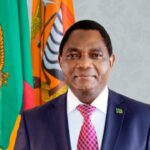





Health Minister Dr Elijah Muchima has urged all sectors of society to strengthen efforts to curb the HIV pandemic. He delivered the message during the 2025 National HIV Prevention Symposium held under the theme Accelerating, Sustaining and Innovating HIV Prevention in a Rapidly Changing Global Landscape.
Dr Muchima noted that global data shows a 40 percent reduction in new HIV infections since 2010. Eastern and Southern Africa recorded a 56 percent decline. He said Zambia has also made progress, but the country recorded about thirty thousand new infections in 2024. This marked an increase from the twenty three thousand reported in 2023.
He explained that adolescents and young people aged fifteen to twenty four account for 38 percent of the new cases. Evidence shows that adolescent girls and young women face three times the risk of acquiring HIV compared to their male peers. He said HIV remains a societal challenge that affects health, education, economic growth, and community well being.
Dr Muchima stressed that Zambia cannot meet its 2030 target of ending AIDS as a public health threat without full national involvement. In a speech delivered on his behalf by National HIV AIDS Council Director General Dr Kebby Musokotwane, he called on line ministries, cooperating partners, the private sector, academia, and civil society to commit to stronger action.
He urged ministries and institutions to join the Ministry of Health in leading the technical response. He encouraged integration of HIV prevention within broader health services as the country introduces new biomedical interventions such as Lenacapavir. He called for increased domestic resources as the country shifts from donor dependence to locally driven financing. He also pushed for the continued inclusion of HIV prevention and sexual health education in school curricula to equip young people with accurate information and life skills.
He urged sports, arts, and youth programs to engage young people in ways that build healthy behaviour. He encouraged stronger community services and social protection systems that support vulnerable populations. He also highlighted the need to address legal and policy barriers, promote gender equality, and protect vulnerable groups.
Dr Muchima called for innovative financing, expanded access to prevention commodities such as condoms, and improved behavioural communication. He said leaders across society must drive advocacy, ensure accountability, and help shift harmful norms. He urged all sectors to fight stigma and support people affected by HIV.
Bishop Dr Joshua Banda told the symposium that the 2025 to 2030 HIV Prevention Roadmap will set clear priorities across sectors. He said the roadmap will expand community led services and strengthen domestic financing to address rising infections.