






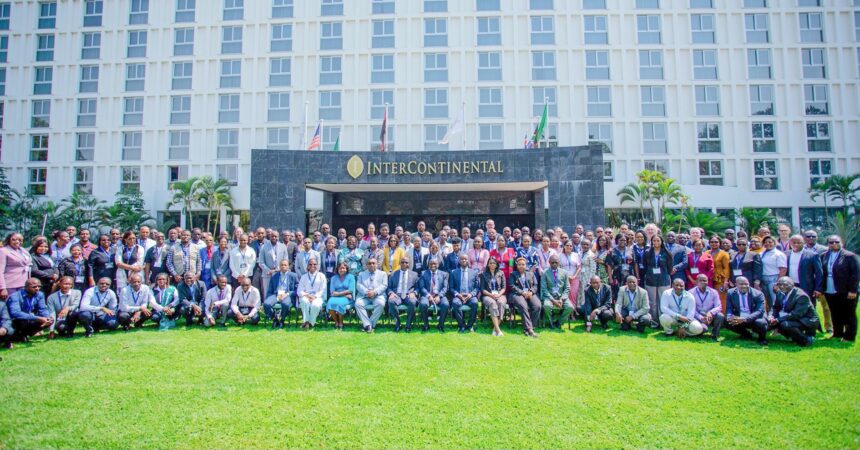
The 31st Southern Africa Climate Outlook Forum (SARCOF-31) is underway in Lusaka, Zambia, from 8 to 11 September 2025. The forum focuses on strengthening disaster preparedness and improving the management of weather and climate risks across the Southern African Development Community (SADC).
Dr. Douty Chibamba, Permanent Secretary for Zambia’s Ministry of Green Economy and Environment, officially opened the event. He emphasized the role of climate services in safeguarding lives, protecting livelihoods, and ensuring sustainable development across the region.
Held under the theme “At the Frontline of Climate Action Towards Improved Climate Services in the SADC Region,” SARCOF-31 brings attention to the growing effects of climate change. Farmers, urban communities, businesses, and households are facing greater risks from extreme weather events, shifting rainfall patterns, and rising temperatures.
The forum serves as a platform for experts and policymakers to translate climate science into practical solutions. It highlights the need for stronger early warning systems, enhanced regional collaboration, and inclusive strategies to protect vulnerable groups.
SARCOF was established following the devastating 1997/98 El Niño event, which caused widespread drought and food insecurity. Since then, the forum has provided seasonal climate outlooks to guide decision-making in key sectors such as agriculture, water, health, disaster management, and energy.
These seasonal forecasts help governments and organizations plan for potential climate shocks. For example, farmers can adjust planting strategies, energy providers can prepare for hydropower shortages, and health systems can anticipate climate-driven disease outbreaks.
SARCOF-31 has drawn a wide range of participants. Climate scientists, government officials, development partners, NGOs, and sector representatives are all taking part. Decision-makers and media personnel are also present to help communicate outcomes to the wider public.
This broad participation underlines the importance of multi-sectoral collaboration in tackling climate risks. Regional coordination is critical since climate challenges cross borders and affect shared resources such as rivers, power grids, and food supply chains.
Key discussions at SARCOF-31 aim to strengthen resilience and close gaps in preparedness. By focusing on actionable climate services, the forum seeks to ensure that forecasts reach those who need them most. The outcomes of SARCOF-31 are expected to inform national policies and regional strategies. With climate impacts intensifying, the forum continues to play a central role in shaping Southern Africa’s response to a changing climate.