





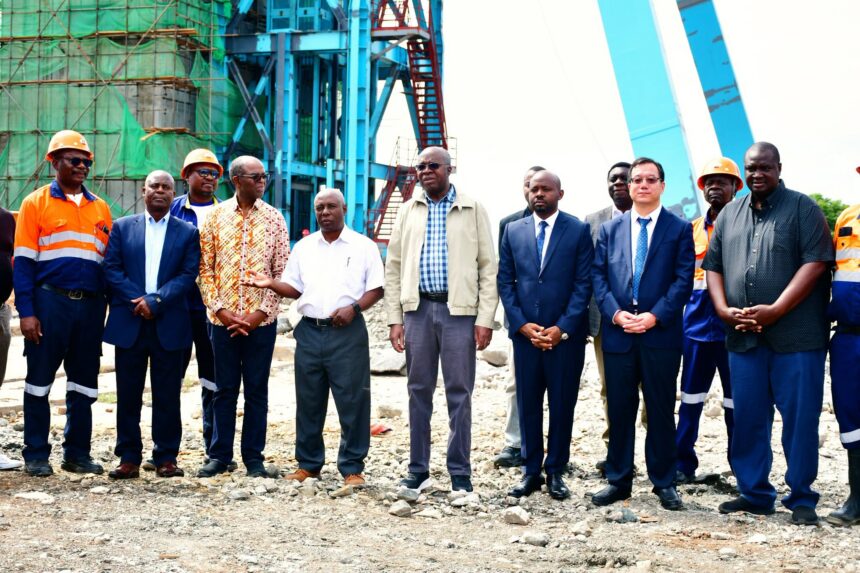
The revival of mining operations in Luanshya is bringing renewed hope for economic growth, employment creation and business opportunities in one of Zambia’s historic copper mining towns. The progress towards reopening the mine represents more than the return of copper production. It signals a new phase of industrial development, technological modernisation and increased economic activity that could benefit thousands of households and businesses. With dewatering operations substantially completed, the mine is progressing towards the resumption of production, with the potential to produce more than 100,000 metric tons of copper annually. Direct employment is also expected to increase from approximately 1,000 to 3,000 jobs as mining operations expand. The development represents an important opportunity for Luanshya and supports Zambia’s broader ambition to increase copper production, attract investment and improve livelihoods under the Grow Zambia Agenda.
The reopening of the Luanshya copper mining operations is particularly significant because of the town’s long association with Zambia’s mining industry. Mining has historically played an important role in Luanshya’s economy, supporting employment, commercial activity and the development of local infrastructure. However, periods of reduced mining activity have affected businesses and households that depend on the sector for their livelihoods. The planned return to full production therefore offers an opportunity to restore economic activity and strengthen the town’s position within the Copperbelt mining industry. As operations progress, the benefits could extend to workers, contractors, suppliers and other businesses that support mining activities.
One of the most important developments is the substantial completion of dewatering operations. Dewatering involves removing accumulated underground water to make mining areas accessible and suitable for further operations. It is an essential process in mines where water has affected underground access and production activities. Completing this stage represents important progress towards restarting mining operations and preparing the facility for increased production. The next stages will depend on operational readiness, infrastructure requirements, equipment performance and the successful implementation of the mine’s production plans.
The mine’s potential to produce more than 100,000 metric tons of copper annually could make a meaningful contribution to Zambia’s mining industry. Copper remains one of the country’s most important mineral resources and a major contributor to export earnings. Increasing domestic copper production is also important to the government’s ambition of strengthening the mining sector and attracting further investment. Higher output from existing mines can support national production targets while creating opportunities for additional investment in mining equipment, processing and supporting services. The revival of Luanshya’s mining operations therefore has significance beyond the town because it could contribute to Zambia’s wider economic and industrial development.
Employment creation is another major expected benefit of the mine’s revival. Direct employment is projected to increase from approximately 1,000 to 3,000 jobs as operations expand. This would represent a substantial increase in employment opportunities for people in Luanshya and surrounding communities. Mining operations require workers with different skills, including engineers, technicians, machine operators, safety officers, geologists and administrative personnel. The expansion could also create opportunities for young people seeking technical training and careers in the mining industry. However, the projected employment increase will depend on the pace of production expansion and the mine’s operational requirements.
The economic benefits are expected to reach beyond the mine gates. Increased employment can improve household incomes and strengthen purchasing power among families in Luanshya. When workers earn regular incomes, they are more likely to spend money on food, housing, education, healthcare, transport and other essential services. This increased spending can stimulate activity among local shops, restaurants, markets and service providers. As a result, the reopening of the mine could support a wider network of businesses that depend on economic activity generated by the mining sector.
Local suppliers and small businesses are also expected to benefit from increased mining operations. Mines require a continuous supply of goods and services, including protective clothing, construction materials, food supplies, transport, equipment maintenance and technical services. Local companies that can meet the required standards may have opportunities to participate in these supply chains. Greater participation by Zambian businesses can help retain more economic value within the country while supporting entrepreneurship and business growth. Strengthening links between mining companies and local suppliers is therefore an important part of ensuring that mineral wealth benefits communities beyond direct employment.
Agriculture could also benefit from the revival of mining activities in Luanshya. As employment and business activity increase, demand for agricultural produce such as vegetables, maize, meat and other food products may also grow. Farmers and agricultural traders in surrounding communities could find additional markets for their products through increased demand from households, workers and businesses. This creates an opportunity to strengthen connections between mining and agriculture, two important sectors of Zambia’s economy. Supporting local farmers to supply mining communities can help diversify income sources and improve economic participation in rural and urban areas.
Transporters, traders and other entrepreneurs may also experience increased business opportunities as mining activities expand. More workers and suppliers moving between different locations can increase demand for transportation and logistics services. Businesses providing accommodation, catering, retail services and equipment maintenance may also benefit from higher economic activity. These opportunities can encourage existing businesses to expand while creating space for new enterprises to enter the market. The extent of these benefits will depend on how effectively local businesses position themselves to supply the growing mining economy.
The expected technological modernisation of mining operations is another important aspect of Luanshya’s revival. Modern mining increasingly depends on efficient machinery, improved production systems, reliable monitoring equipment and stronger safety procedures. Investment in technology can help mining companies improve productivity, manage operating costs and reduce operational risks. It can also create demand for specialised technical skills and professional services. For Zambia, modernising mining operations is important for maintaining competitiveness and ensuring that increased production takes place efficiently and responsibly.
The revival of the Luanshya copper mines also supports the ambitions outlined under the Grow Zambia Agenda. The government wants to attract investment that increases production, creates employment and strengthens local businesses. The 2027 National Budget theme, “Grow Zambia: From Stabilisation to Unlocking Opportunities, Creating Jobs and Improving Livelihoods for All,” reflects this development approach. The emphasis is on moving beyond economic stabilisation towards greater productive activity and wider opportunities for citizens. Mining investment is an important part of this strategy because it can stimulate exports, generate employment and create demand across different sectors of the economy.
Zambia’s ambition to increase copper production also reflects the growing importance of copper in the global economy. Copper is widely used in electricity networks, construction, manufacturing, telecommunications and renewable energy technologies. Demand for the metal is closely linked to infrastructure development and the expansion of modern energy systems. This creates opportunities for copper-producing countries such as Zambia to strengthen their position in international mineral markets. However, taking full advantage of these opportunities requires consistent production, responsible mining practices, reliable infrastructure and continued investment.
For Luanshya, the successful revival of mining operations could help restore confidence in the town’s economic future. Increased production and employment would create opportunities for households that have experienced the effects of reduced mining activity. Local businesses could benefit from new customers, while farmers and suppliers could gain access to additional markets. The development could also encourage further investment in services and infrastructure as economic activity increases. Ensuring that local communities participate meaningfully in these opportunities will be important for achieving lasting benefits.
The revival must also be supported by responsible environmental management and strong occupational health and safety standards. Mining activities need effective systems for managing water, waste, land rehabilitation and other environmental risks. Workers must have access to appropriate safety equipment, training and reliable emergency procedures. Responsible operations can help protect surrounding communities while supporting the long-term sustainability of the mining industry. Economic growth should go hand in hand with environmental protection and respect for the welfare of people working in and around mining areas.
The progress at Luanshya demonstrates the potential of Zambia’s mineral wealth to support industrial development and improve livelihoods when backed by investment and effective management. With dewatering substantially completed, the mine is moving towards production, with an annual copper output potential of more than 100,000 metric tons and an expected increase in direct employment to 3,000 jobs as operations expand. The opportunities could extend to local suppliers, farmers, transporters, traders and entrepreneurs across the Copperbelt. The development also reinforces the objectives of the Grow Zambia Agenda and the 2027 National Budget focus on creating jobs and improving livelihoods. Ultimately, the success of Luanshya’s mining revival will be measured not only by the amount of copper produced but also by the jobs created, businesses strengthened and improvements in the lives of ordinary Zambians.