

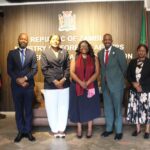
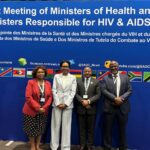



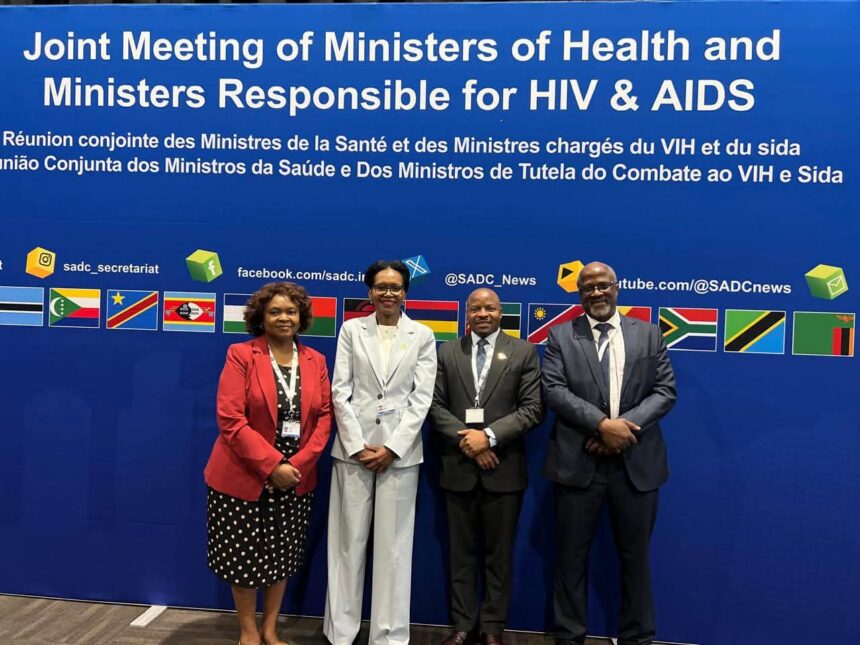
Zambia has joined fellow Southern African Development Community (SADC) member states in Durban, South Africa, for a five-day regional health summit aimed at strengthening cooperation and addressing shared public health challenges across Southern Africa. The high-level meeting brings together Ministers of Health and Ministers responsible for HIV and AIDS to discuss practical solutions to health threats affecting millions of people across the region. The discussions focus on improving emergency preparedness, strengthening healthcare systems, expanding access to affordable medicines and sustaining progress against major infectious diseases. Representing Zambia at the important regional gathering is the country’s High Commissioner to South Africa, Her Excellency Ms. Grace Mutembo, who is leading a technical delegation on behalf of Minister of Health Professor Roma Chilengi. The summit provides an important platform for SADC countries to turn existing health commitments into coordinated actions that deliver tangible benefits to their populations.
The Joint Meeting of SADC Ministers of Health and Ministers Responsible for HIV and AIDS officially opened on Monday, 9 November 2026, at the Inkosi Albert Luthuli International Convention Centre in Durban. The five-day gathering is being held under South Africa’s chairmanship of SADC and brings together regional policymakers, senior government officials and technical health experts. Its central objective is to strengthen collective responses to public health challenges that do not respect national borders. Countries in Southern Africa face several shared health risks, making regional cooperation essential for effective prevention, disease surveillance and emergency response. The meeting therefore offers an opportunity for member states to exchange experiences, review existing strategies and agree on practical approaches to improving public health outcomes.
Zambia’s participation demonstrates its continued commitment to regional health cooperation and collective efforts to strengthen healthcare delivery across Southern Africa. High Commissioner Grace Mutembo is representing Minister of Health Professor Roma Chilengi at the summit. She is leading a technical delegation comprising Ministry of Health Director of Public Health Dr. Matilda Kakungu, Zambia High Commission Health Counsellor Dr. Sydney Hamusonde and National HIV/AIDS/STI/TB Council Director-General Dr. Kebby Musokotwane. The delegation brings together diplomatic and technical expertise to support Zambia’s engagement in discussions covering important regional health priorities. Its participation also provides an opportunity for Zambia to contribute to policy discussions and strengthen relationships with other SADC member states.
One of the major priorities of the summit is strengthening regional preparedness and rapid response mechanisms for public health emergencies. Disease outbreaks and other health emergencies can spread across national borders through population movements, trade and travel. This makes cooperation between neighbouring countries important for identifying emerging threats and responding before they develop into larger regional crises. Effective preparedness requires reliable disease surveillance, information sharing, trained healthcare personnel and well-coordinated emergency response systems. Through stronger regional arrangements, SADC countries can improve their ability to detect health threats early and coordinate appropriate interventions.
The discussions also place significant attention on climate-related health threats, which are becoming an important consideration in public health planning. Climate change can influence the spread of certain infectious diseases, affect water availability and increase the risks associated with extreme weather events. Flooding, droughts and changing temperature patterns can place additional pressure on healthcare services and affect communities that already face limited access to essential services. These challenges require countries to strengthen health systems and incorporate environmental risks into public health planning. Regional cooperation can help governments share information, develop preparedness strategies and improve their capacity to protect vulnerable populations.
Another important issue on the summit’s agenda is expanding access to affordable medicines across the 16-member SADC region. Access to essential medicines remains central to effective healthcare delivery, particularly for people living with chronic conditions and those requiring treatment for infectious diseases. High medicine costs, supply chain disruptions and differences in healthcare infrastructure can make it difficult for some countries to maintain consistent access to essential treatments. Regional cooperation offers opportunities to explore stronger procurement arrangements, improve supply chain coordination and address common barriers to medicine availability. By working together, member states can pursue approaches that make essential medicines more accessible and affordable for their populations.
The ministers and senior health officials are also reviewing strategies aimed at sustaining progress against HIV and AIDS. Southern Africa has made significant efforts to expand HIV testing, treatment and prevention services, but maintaining progress requires continued investment and strong public health programmes. Governments must ensure that people living with HIV can access treatment consistently while strengthening prevention initiatives and reducing barriers to healthcare services. Cooperation between countries is important because HIV prevention and treatment programmes benefit from shared knowledge, coordinated policies and effective health information systems. The summit provides an opportunity for member states to assess existing approaches and identify areas where additional cooperation can strengthen regional responses.
Malaria is another major public health concern receiving attention during the Durban summit. The disease continues to place pressure on healthcare systems in parts of Southern Africa, particularly in communities where environmental conditions support mosquito breeding and transmission. Effective malaria control requires coordinated surveillance, early diagnosis, access to appropriate treatment and sustained prevention measures. Countries must also strengthen public awareness and ensure that communities understand how to reduce exposure to malaria-carrying mosquitoes. Regional collaboration is important because malaria transmission patterns can extend across borders, making coordinated prevention and control efforts essential.
The summit’s focus on malaria will receive particular attention on Friday, 13 November 2026, when the five-day gathering is scheduled to conclude with the regional commemoration of SADC Malaria Day. The commemoration will provide an opportunity for member states to renew their commitment to coordinated malaria surveillance, prevention and elimination efforts. It will also highlight the importance of maintaining political commitment and strengthening public health programmes aimed at reducing malaria infections and deaths. Malaria control requires consistent action from governments, healthcare workers, communities and development partners. The regional event therefore reinforces the need for continued cooperation and sustained investment in interventions that protect public health.
For Zambia, participation in the summit is particularly important as the country continues working to strengthen its healthcare system and improve access to essential health services. Engagement with other SADC countries provides opportunities to learn from regional experiences and contribute to solutions addressing common health challenges. Discussions on emergency preparedness, affordable medicines, HIV and AIDS, malaria and climate-related health risks are directly relevant to national health priorities. Zambia can also benefit from stronger regional partnerships in technical cooperation, information sharing and public health planning. Such engagement supports the country’s efforts to build a more resilient healthcare system capable of responding to both existing and emerging health threats.
The presence of Zambia’s High Commissioner and senior health officials also highlights the importance of combining diplomatic engagement with technical expertise in regional health cooperation. Effective public health partnerships require communication between governments, healthcare institutions and technical agencies. Diplomats play an important role in strengthening bilateral and multilateral relationships, while health professionals provide the technical knowledge needed to develop and implement appropriate interventions. Bringing these areas of expertise together can help ensure that regional commitments translate into practical programmes. Zambia’s delegation is therefore positioned to participate in discussions that connect regional health priorities with national development objectives.
The five-day SADC health summit comes at an important time when countries across the region must respond to increasingly complex public health challenges. Infectious diseases, climate-related pressures, medicine supply concerns and the need for stronger healthcare infrastructure require coordinated and sustained action. No single country can effectively address all these challenges in isolation. Regional partnerships allow governments to share resources, exchange expertise and develop common approaches to problems that affect their populations. The success of the Durban meeting will ultimately depend on how effectively the commitments made by member states are translated into practical measures at national and regional levels.
Zambia’s participation in the SADC Joint Meeting of Ministers of Health and Ministers Responsible for HIV and AIDS reaffirms its commitment to strengthening regional cooperation and improving public health outcomes. The discussions in Durban provide an important opportunity to advance joint emergency preparedness, expand access to affordable medicines, address climate-related health threats and sustain progress against HIV, AIDS and malaria. The scheduled commemoration of SADC Malaria Day on 13 November further demonstrates the region’s determination to strengthen coordinated disease prevention and elimination efforts. As the summit concludes, the priority will be to ensure that regional commitments produce measurable improvements in healthcare delivery and disease control. Stronger cooperation among SADC member states will remain essential to building healthier, more resilient communities and protecting the well-being of people across Southern Africa.