






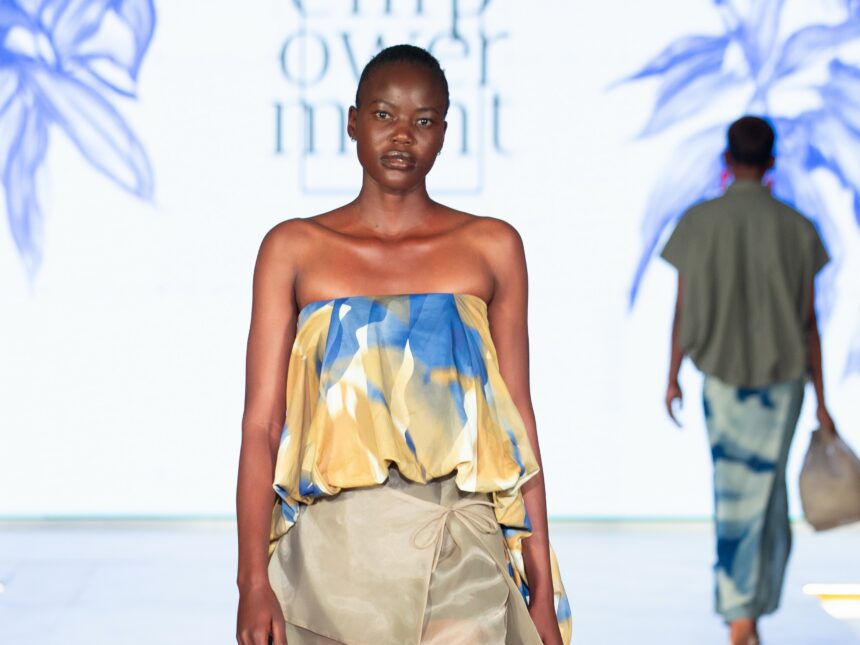
Empowerment Design Studio, a fashion label based in Kabwe, Zambia, has returned to the runway at Zimbabwe Fashion Week 2026 with a collection that celebrates Zambian creativity, craftsmanship and women’s empowerment. Founded by Pia Hintz, the studio presented designs that combine contemporary fashion with expressive colours, distinctive textures and a strong sense of purpose. The collection featured fluid silhouettes, bold prints and sculptural details, brought together through a striking palette of cobalt blue, earthy gold and vibrant orange. Beyond the designs, the studio is committed to creating opportunities for women in Zambia through skills development, ethical production and economic empowerment. Its appearance at Zimbabwe Fashion Week highlights the contribution of Zambian designers to the regional fashion industry and shows how local creative businesses can connect fashion with meaningful social impact.
For Zambia’s growing creative sector, Empowerment Design Studio’s participation in Zimbabwe Fashion Week 2026 offers an opportunity to showcase the country’s fashion talent to a wider regional audience. Zambia has a diverse cultural identity that can inspire fashion through colour, textiles, craftsmanship and contemporary design. Designers who develop distinctive collections help expand the ways Zambian creativity is represented across the region. Fashion events also give designers opportunities to introduce their work to new audiences and connect with other people in the industry. The studio’s return to the Zimbabwean runway places a Kabwe-based fashion business within this wider regional conversation. It also draws attention to the potential of Zambia’s creative industry to support entrepreneurship, develop skills and create new economic opportunities.
Founded by Pia Hintz, Empowerment Design Studio has built its identity around the relationship between fashion, craftsmanship and community development. Its work goes beyond creating garments for the runway by placing importance on the people and skills involved in the production process. The studio’s focus on women’s empowerment reflects the role that creative businesses can play in opening pathways to practical training and economic participation. For women seeking opportunities to develop skills and earn an income, access to fashion-related work can provide a route into a wider creative economy. However, the long-term benefits depend on consistent training, fair production practices and opportunities for continued work. By connecting its fashion identity with these priorities, the studio presents a model of creative enterprise that considers both design and the people behind it.
The collection showcased at Zimbabwe Fashion Week 2026 featured fluid silhouettes that brought movement and a contemporary feel to the designs. Expressive prints added visual character, while sculptural textures created depth and highlighted the importance of material and construction. These elements worked together to give the collection a distinctive appearance without relying on a single design feature. The garments demonstrated how shape, pattern and texture can communicate a creative vision through fashion. For Zambian audiences, the presentation also highlights the range of approaches local designers can explore when developing their own identities and collections. It shows that fashion rooted in Zambia can engage with contemporary design while remaining connected to the values and experiences that inspire the people behind the brand.
Colour was another defining feature of Empowerment Design Studio’s collection. Cobalt blue created a bold visual statement, while earthy gold tones introduced warmth and balance. Vibrant orange added energy and contrast, giving the collection a strong presence on the runway. The combination showed how carefully selected colours can shape the character of a fashion collection and help distinguish a designer’s work. Colour can also serve as a form of creative expression, allowing designers to explore mood, identity and visual storytelling through clothing. In this presentation, the palette supported the studio’s contemporary approach and helped bring its designs together as a coherent collection.
Craftsmanship remains an important part of the studio’s approach to fashion. Creating a garment involves more than developing an attractive design because the final result depends on construction, finishing, material selection and attention to detail. These practical skills are essential to producing clothing that reflects the designer’s original vision. They also create opportunities for people involved in garment production to develop their abilities and gain experience. In Zambia, strengthening fashion and garment-making skills can support the development of local creative businesses and expand opportunities within the industry. Empowerment Design Studio’s emphasis on thoughtful craftsmanship brings attention to the value of skilled work in building a fashion business with a clear identity.
One of the most important aspects of Empowerment Design Studio’s work is its commitment to empowering women in Zambia. The studio focuses on skills development, ethical production and economic opportunities, linking its fashion activities with a broader social purpose. Practical skills can help women participate in garment production and other areas of the creative economy. Ethical production also raises important questions about fair treatment, working conditions and the value placed on the people who make clothing. When creative businesses prioritise these areas, they can help create opportunities that extend beyond the finished product. The studio’s approach highlights the importance of considering how fashion is made as well as how it looks.
Women’s economic empowerment remains an important issue for communities across Zambia, where access to skills, employment and sustainable income can influence household well-being. Creative industries such as fashion offer different ways for people to apply their talents and develop professional experience. Depending on the opportunities available, this work can include garment construction, textile production, design support and other production-related activities. However, meaningful empowerment requires more than training alone. Women also need access to fair opportunities to use their skills, earn income and continue developing their careers. Empowerment Design Studio’s stated focus on skills development and ethical production brings these considerations into the conversation about Zambia’s fashion industry.
The studio’s appearance at Zimbabwe Fashion Week 2026 also highlights the importance of regional platforms for Zambian designers. Participating in fashion events outside Zambia can introduce a brand to new audiences and create opportunities for professional connections. These platforms allow designers to present their collections, communicate their ideas and demonstrate the range of creative talent emerging from the region. For a studio based in Kabwe, the opportunity to showcase its work in Zimbabwe helps bring attention to fashion activity taking place beyond Zambia’s major commercial centres. Regional participation can also encourage greater interest in locally developed fashion brands and the skills that support them. While runway exposure alone does not guarantee commercial success, it can form part of a broader effort to build recognition and develop new opportunities.
For Zambia’s fashion industry to grow, creative talent needs support through skills training, access to markets, business development and opportunities for collaboration. Designers need more than original ideas to build sustainable brands. They also need production capabilities, reliable business systems and ways to reach customers who value their work. Partnerships between designers, craftspeople, businesses and training institutions can help strengthen the wider creative sector. Fashion events can contribute by providing platforms for visibility and professional engagement, while local initiatives can help turn that attention into lasting business activity. The work of Empowerment Design Studio provides an opportunity to consider how fashion businesses can combine creativity with practical approaches to employment and community participation.
Empowerment Design Studio’s return to Zimbabwe Fashion Week 2026 is a moment of regional visibility for a Zambian fashion label with a strong focus on craftsmanship and purpose. Founded by Pia Hintz in Kabwe, the studio presented a collection featuring fluid silhouettes, expressive prints, sculptural textures and a bold combination of cobalt blue, earthy gold and vibrant orange. Its commitment to women’s skills development, ethical production and economic empowerment adds a social dimension to its creative work. For Zambia, the collection highlights the value of supporting homegrown designers and building opportunities within the country’s creative economy. It also reinforces the importance of recognising the people and skills behind fashion production. As Zambian designers continue to develop their brands and engage with regional platforms, Empowerment Design Studio demonstrates how fashion can celebrate creativity while contributing to opportunities for women and communities across the country.