



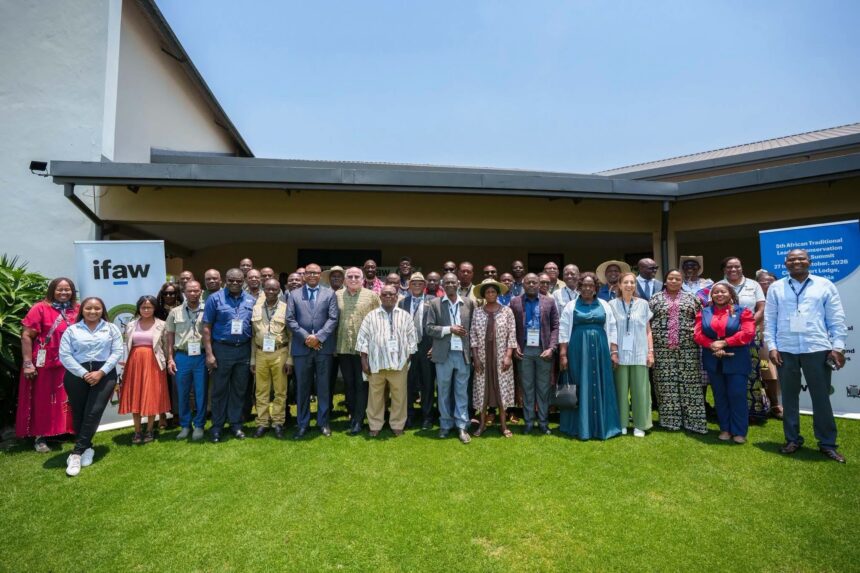
Zambia has reaffirmed its commitment to community-led wildlife conservation and peaceful coexistence between people and wildlife, with the Government highlighting the vital role of traditional leaders in protecting the country’s natural heritage. The Ministry of Tourism has called for stronger partnerships between traditional authorities, local communities, conservation organisations and government institutions to ensure that wildlife conservation delivers meaningful social and economic benefits. The message was delivered by Ministry of Tourism Permanent Secretary, Mr. Evans Muhanga, during the official opening of the African Traditional Leaders Conservation Network (ATLCN) Lusaka Summit 2026. The summit brings together traditional leaders, conservation experts, policymakers and development partners to discuss practical approaches to protecting Africa’s wildlife and natural resources. The discussions also come as Zambia pursues its ambition of attracting five million international tourists by 2031, a goal that depends in part on protecting the country’s biodiversity and strengthening community participation in sustainable tourism.
Speaking at the summit, Mr. Muhanga stressed that effective wildlife conservation cannot succeed without the active involvement of communities living alongside wild animals. These communities often experience the direct consequences of human-wildlife conflict, including threats to personal safety, damage to crops and the loss of livestock. Such challenges can place pressure on household incomes and create difficulties for families whose livelihoods depend on agriculture and other local economic activities. The Permanent Secretary emphasised that conservation strategies must recognise these realities and ensure that communities receive meaningful benefits from protecting wildlife. He noted that involving local people in conservation decisions can help build trust, strengthen cooperation and support long-term protection of natural resources.
Traditional leaders were identified as essential partners in Zambia’s wildlife conservation efforts because of their influence within communities and their knowledge of local environments. Chiefs and other traditional authorities often play important roles in community governance, cultural preservation and the management of customary land. Their understanding of local traditions and relationships with communities can help conservation programmes respond to local needs and circumstances. Mr. Muhanga described traditional leaders as custodians of land, culture and indigenous knowledge, emphasising that their participation is fundamental to sustainable conservation. He explained that conservation approaches should protect wildlife while safeguarding livelihoods and ensuring that communities benefit from the natural resources they have helped preserve over generations.
The Government, under President Hakainde Hichilema’s leadership, remains committed to sustainable tourism, community participation in natural resource management and practical measures to address human-wildlife conflict. These priorities recognise the relationship between environmental protection, rural development and the livelihoods of people living near wildlife habitats. Community participation can help improve the management of natural resources by giving local residents a role in decisions that affect their land and daily activities. At the same time, effective responses to human-wildlife conflict require cooperation between conservation authorities, local communities and other relevant institutions. Measures must address the risks people face while maintaining the protection of wildlife populations and their habitats. The Ministry’s position highlights the need for conservation policies that consider both ecological needs and the welfare of communities.
Human-wildlife conflict remains a major concern for many communities living near protected areas and wildlife corridors in Zambia. Animals can sometimes enter agricultural fields, damage crops or threaten livestock, creating financial difficulties for households that depend on farming. Encounters with dangerous wildlife can also raise serious safety concerns for residents and people travelling through affected areas. These challenges can influence how communities view conservation, particularly when the costs of living alongside wildlife outweigh the benefits they receive. Addressing the problem requires practical interventions suited to local conditions, alongside education, community participation and effective coordination among responsible institutions. By placing peaceful coexistence at the centre of conservation discussions, the ATLCN Lusaka Summit 2026 highlights the importance of reducing conflict while ensuring that wildlife protection remains a shared priority.
Mr. Muhanga also emphasised the value of integrating indigenous knowledge and traditional coexistence practices into modern wildlife conservation strategies. Across African communities, traditional knowledge can include an understanding of local landscapes, seasonal patterns, wildlife behaviour and customary approaches to managing natural resources. When appropriately assessed and combined with scientific research, this knowledge can help conservation practitioners develop strategies that reflect the realities of local environments. Traditional leaders can also help communicate conservation priorities in ways that communities understand and trust. Recognising indigenous knowledge does not mean replacing scientific methods, but rather creating opportunities for different forms of expertise to contribute to better decisions. This approach can strengthen community participation and support conservation programmes that are more responsive to local conditions.
Zambia’s ambition to attract five million international tourists by 2031 was another important issue highlighted during the summit. The country’s natural attractions, wildlife and protected landscapes provide opportunities for tourism development, including wildlife viewing and other nature-based experiences. Achieving the tourism target will require continued attention to biodiversity protection, destination management, infrastructure and the quality of visitor experiences. It will also require local communities to have meaningful opportunities to participate in and benefit from tourism-related activities. Community-based tourism, employment and businesses connected to tourism can help create economic opportunities while encouraging the protection of natural resources. The Ministry’s message makes clear that conservation and tourism development must progress together if Zambia is to pursue sustainable growth in the sector.
Wildlife conservation can contribute to local economic development when communities have fair opportunities to benefit from the resources around them. Tourism can support employment in areas such as guiding, hospitality, transport, accommodation and other services, depending on the location and scale of tourism activity. Local businesses may also benefit when visitors purchase goods and services from communities near wildlife destinations. However, these benefits are not automatic and depend on factors such as access to markets, training, investment and effective management of tourism activities. Conservation programmes therefore need to consider how income-generating opportunities can reach households that live alongside wildlife and bear the costs of protecting it. Mr. Muhanga’s remarks reinforced the principle that wildlife conservation should deliver tangible benefits rather than focus solely on protecting animal populations.
The African Traditional Leaders Conservation Network Lusaka Summit 2026 provides a platform for discussing these challenges and sharing experiences from different African landscapes. The gathering brings together traditional authorities, conservation professionals, policymakers and development partners to explore practical solutions for protecting wildlife and improving community participation. Key areas of discussion include community-driven stewardship, natural resource governance, wildlife-compatible livelihoods, indigenous conservation knowledge and traditional coexistence practices. These issues are closely connected because successful conservation depends on how land and natural resources are managed, how communities participate in decisions and whether people can sustain their livelihoods alongside wildlife. The summit also creates opportunities for participants to exchange lessons from different communities and consider approaches that may be adapted to their own local conditions. Such exchanges can help strengthen cooperation across African countries facing similar conservation and development challenges.
The programme also featured reflections from International Fund for Animal Welfare leadership, represented by Mr. Azzedine Downes. Contributions came from Mr. Azizou El Hadj Issa, Chair of the Council of Elders of the African Elephant Coalition, Ghanaian traditional leader Mr. Kofi Adu-Nsiah and His Royal Highness Chief Lukwa, representing the African Traditional Leaders Conservation Network. Their participation brought together perspectives from conservation organisations, traditional leadership and wider African conservation networks. The involvement of different stakeholders reflects the need for cooperation when addressing challenges that cross community and national boundaries. Wildlife conservation requires attention to animal protection, habitat management, community safety and sustainable livelihoods. Bringing these perspectives together can help participants identify shared priorities and explore practical ways to strengthen conservation efforts.
The Ministry of Tourism commended the African Traditional Leaders Conservation Network and its partners for creating a platform that gives traditional leaders a stronger voice in shaping Africa’s conservation agenda. Traditional authorities can help connect national conservation policies with local realities by communicating community concerns and supporting participation in natural resource management. Their involvement can also help identify cultural practices and local knowledge that may contribute to wildlife protection. However, effective partnerships require clear responsibilities, continued communication and respect for the needs of the communities involved. Government institutions and conservation organisations must work with traditional leaders to ensure that conservation decisions are understood and that community concerns receive appropriate attention. Strengthening these relationships can support more inclusive approaches to environmental protection across Zambia and the wider African region.
The summit’s emphasis on community-driven conservation also raises the importance of responsible natural resource governance. Effective governance helps establish how natural resources are managed, who participates in decisions and how benefits and responsibilities are distributed. When communities understand the purpose of conservation programmes and have opportunities to contribute, they can become more active partners in protecting wildlife and habitats. Transparent decision-making is also important in building confidence that conservation initiatives serve the wider public interest. Traditional leaders, government agencies and conservation organisations each have roles to play in supporting this process. By encouraging cooperation among these groups, Zambia can strengthen the foundations for conservation programmes that recognise both environmental priorities and community development needs.
Zambia’s wildlife and natural heritage remain important assets for tourism, environmental protection and future generations. Protecting these resources requires more than enforcing conservation rules because the long-term success of wildlife management also depends on the people who share their surroundings with animals. Communities need practical ways to reduce conflict, protect their livelihoods and participate in economic opportunities connected to conservation. Traditional leaders can help bring local knowledge and community perspectives into these efforts, while government institutions and conservation partners can provide technical support and resources. The ATLCN Lusaka Summit 2026 has placed these relationships at the centre of discussions about the future of wildlife conservation in Africa. Its focus reflects the need to balance biodiversity protection with social and economic priorities.
The Government’s message at the African Traditional Leaders Conservation Network Lusaka Summit 2026 reinforces Zambia’s commitment to wildlife protection, community empowerment and sustainable tourism development. Through the Ministry of Tourism, the Government has emphasised that traditional leaders and local communities must play an active role in managing natural resources and addressing human-wildlife conflict. The country’s ambition to attract five million international tourists by 2031 further highlights the importance of protecting biodiversity and ensuring that tourism creates meaningful opportunities for local people. Achieving these objectives will require stronger partnerships, practical interventions and continued attention to the needs of communities living alongside wildlife. Ultimately, successful conservation must protect Zambia’s natural heritage while improving the lives of the people who help safeguard it.