







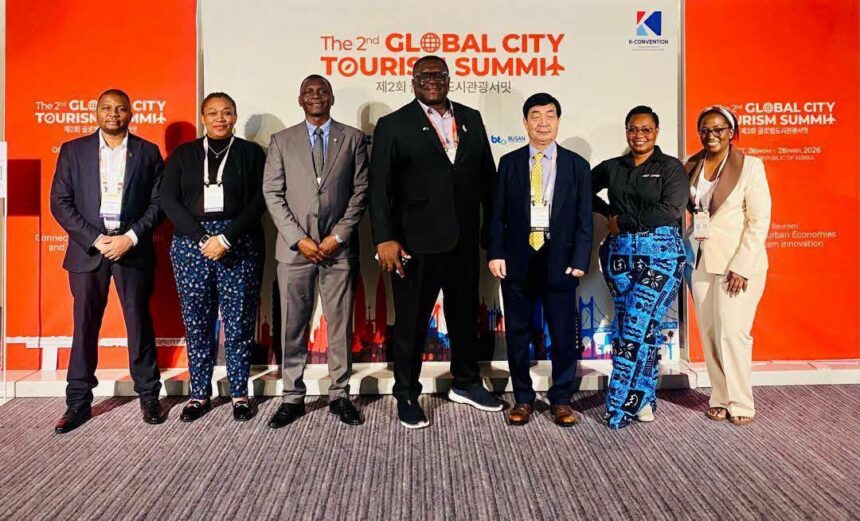
The Zambia Tourism Agency (ZTA) has held bilateral talks with representatives of Agoda in Busan to explore a potential partnership aimed at increasing Zambia’s visibility among Asian travellers and creating new opportunities for the country’s tourism industry. The discussions focused on using digital marketing, travel data and market intelligence to promote Zambia as an attractive destination for international visitors. The proposed collaboration could help the country reach travellers interested in wildlife, adventure, cultural experiences and heritage tourism. It could also provide Zambian tourism businesses with greater opportunities to connect with international customers through digital travel platforms. The engagement reflects ZTA’s broader strategy to diversify Zambia’s tourism source markets, attract investment and support sustainable growth across the tourism sector.
The discussions with Agoda centred on how the travel platform’s digital reach and access to travel insights could support Zambia’s international tourism marketing efforts. Agoda connects travellers with accommodation, flights and activities in destinations around the world, giving tourism organisations potential channels to reach people planning their next trip. By exploring ways to use these digital capabilities, ZTA aims to improve awareness of Zambia among travellers who may not yet have considered the country as a holiday destination. Access to relevant market information could also help the agency understand which destinations, travel experiences and accommodation options attract interest from different groups of visitors. Although the talks explored potential cooperation, the information provided does not confirm that a formal partnership has been finalised.
A key area of interest is the use of travel data to understand visitor trends and identify promising markets across Asia. Information about traveller preferences, destination searches and booking patterns can help tourism authorities develop promotional campaigns that respond to the interests of specific audiences. Rather than relying on broad marketing messages, ZTA could use such insights to focus its resources on markets with stronger potential to generate visits to Zambia. Better knowledge of travel behaviour could also help the agency determine which tourism products deserve greater attention in its international campaigns. This evidence-based approach could make destination marketing more targeted and help Zambia compete more effectively for visitors in an increasingly digital travel market.
Zambia has several tourism attractions that could appeal to international travellers seeking distinctive experiences. The country is known for its wildlife, national parks, natural landscapes, adventure activities and cultural heritage, offering visitors opportunities to explore different aspects of African tourism. These experiences could be promoted to Asian audiences through digital campaigns designed around specific interests and travel preferences. Wildlife enthusiasts, for example, may be interested in safari experiences, while adventure travellers may seek outdoor activities and opportunities to explore Zambia’s natural environment. Cultural tourism can also provide a way to introduce visitors to the country’s traditions, heritage and local communities.
Improving Zambia’s online visibility is another important objective of the proposed engagement with Agoda. Many international travellers use digital platforms to compare destinations, research accommodation and organise their trips before making booking decisions. If Zambian tourism businesses can present their services effectively through relevant online channels, they may have a better chance of reaching customers who are planning holidays from overseas. Greater digital exposure could benefit accommodation providers, tour operators and other businesses that depend on international tourism. However, the potential benefits will depend on the details of any future cooperation, the participation of local businesses and the effectiveness of the marketing activities introduced.
The talks also reflect Zambia’s interest in strengthening its presence in Asia’s outbound travel market. As travellers from different Asian countries consider international holiday destinations, Zambia has an opportunity to introduce its tourism products to audiences seeking wildlife, nature, adventure and cultural experiences. Reaching these travellers requires an understanding of their preferences, travel budgets, booking habits and expectations. Market-specific campaigns could help ZTA communicate the experiences Zambia offers in ways that are relevant to different audiences. Using digital platforms and travel intelligence could support this process by helping the agency make more informed decisions about where and how to promote the country.
Diversifying tourism source markets is important because it can reduce reliance on a limited number of countries for international visitor arrivals. A broader mix of source markets may help tourism businesses reach new customers and create additional opportunities for investment in accommodation, transport, tour operations and related services. If marketing efforts lead to more international visits, local businesses and communities could benefit from increased demand for tourism services. Growth must also be managed carefully to protect wildlife, natural environments and cultural heritage, which are central to Zambia’s tourism appeal. For this reason, ZTA’s focus on attracting visitors is closely linked to the wider goal of building a tourism industry that delivers economic benefits while preserving the resources on which it depends.
The proposed engagement with Agoda could support ZTA’s efforts to make tourism promotion more responsive to international demand. Travel data can help tourism authorities assess which campaigns attract attention, which destinations generate interest and where promotional resources may be most effective. These insights can guide decisions about marketing messages, target audiences and the tourism products highlighted in different markets. Greater access to international digital channels could also help local operators present their services to travellers who might otherwise have limited information about Zambia. The actual results would depend on the scope of any agreed partnership, the quality of available data and the ability of businesses to convert increased interest into bookings.
ZTA’s meeting with Agoda in Busan signals a continued effort to explore new approaches to international tourism promotion and market development. By considering digital marketing opportunities and data-driven strategies, the agency aims to raise Zambia’s profile among Asian travellers and create new connections between international visitors and local tourism businesses. The discussions also support the broader objective of diversifying source markets, encouraging investment and promoting sustainable tourism growth. While the talks represent an opportunity rather than confirmation of a completed partnership, they highlight the potential value of combining Zambia’s tourism attractions with modern digital marketing tools. If translated into effective cooperation, the initiative could help more travellers discover Zambia and create additional opportunities for businesses and communities across the country’s tourism industry.