






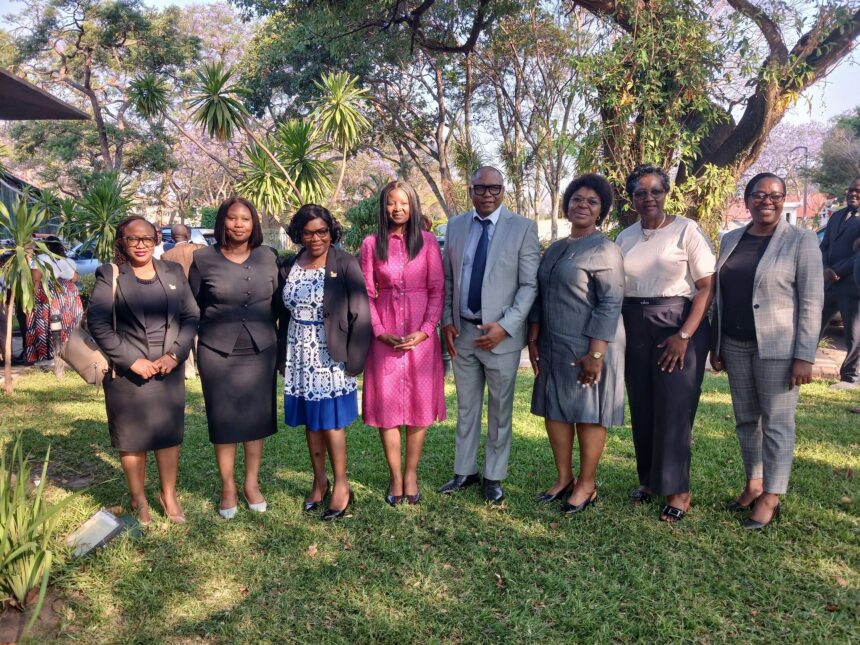
Zambia is taking steps to unlock the economic potential of its tourism industry through the Presidential Delivery Unit’s (PDU) Tourism Delivery Lab, an initiative designed to turn national development priorities into practical actions, investment opportunities and measurable results. The lab brought together government institutions, private sector representatives and development partners to identify interventions that can accelerate tourism growth and create economic opportunities for Zambians. Conducted from 13 to 16 October 2026, the consultations formed part of the wider Grow Zambia Agenda, which aims to increase production, attract investment, expand exports and create jobs across key sectors of the economy. One of the central ambitions discussed during the Tourism Delivery Lab is Zambia’s target of attracting five million international tourist arrivals annually by 2031. Achieving this goal will require coordinated planning, improved tourism infrastructure, stronger private sector participation and effective implementation of policies that make the country more accessible and attractive to visitors.
The Tourism Delivery Lab forms part of a broader series of Delivery Labs organised to support the implementation of President Hakainde Hichilema’s Grow Zambia Agenda. These consultations focused on eight priority areas: regional economies, tourism, sugar, the digital economy, mining, energy, beef exports and agriculture. Each sector has specific production or economic growth ambitions that require practical measures, investment and collaboration among relevant stakeholders. The Delivery Labs are intended to identify obstacles, develop implementation roadmaps and establish ways to track progress towards the country’s 2031 targets. By bringing decision-makers and industry participants together, the process seeks to connect national development ambitions with the actions required to achieve them.
Tourism has an important place in Zambia’s economic development because it can generate income, support employment and create business opportunities across different parts of the country. The sector includes accommodation providers, tour operators, transport companies, restaurants, travel agencies, cultural attractions and businesses that supply goods and services to visitors. Tourism spending can also benefit communities through demand for locally produced food, handicrafts, entertainment and other products. When visitors travel beyond major commercial centres, tourism can create opportunities for businesses in rural areas and destinations that have fewer sources of income. Expanding the sector therefore offers Zambia a way to diversify economic activity while making greater use of its natural attractions, wildlife, cultural heritage and hospitality services.
The target of attracting five million international tourists annually by 2031 represents a substantial ambition for Zambia’s tourism industry. Reaching that level will depend on the country’s ability to attract new visitors, encourage repeat travel and provide experiences that meet different visitor needs. Travellers consider several factors when choosing a destination, including accessibility, accommodation costs, safety, transport connections, service quality and the range of available attractions. Zambia will need to ensure that its tourism offering appeals to different markets, from wildlife enthusiasts and adventure travellers to business visitors and people interested in culture and heritage. A coordinated approach to destination marketing, infrastructure development and tourism services can help strengthen the country’s competitiveness in the regional and international travel market.
Zambia is known for natural attractions such as Victoria Falls, its national parks, wildlife areas and opportunities for adventure tourism. These attractions provide a strong foundation for tourism development, but their economic potential depends on how effectively visitors can access them and the quality of the experiences available. Reliable roads, suitable airports, dependable utilities and well-maintained visitor facilities can make travel easier and encourage tourists to explore more destinations. Investment in accommodation, tour services, visitor information and trained hospitality workers can also improve the overall tourism experience. Developing these supporting services will be important if Zambia wants to increase international arrivals while ensuring that tourism businesses can operate sustainably.
The Tourism Delivery Lab provides a platform for examining the practical barriers that may prevent the sector from reaching its growth targets. These can include high travel costs, limited transport connections, gaps in tourism infrastructure, insufficient destination awareness and difficulties accessing finance for business expansion. Different destinations may face different challenges, so solutions need to reflect local conditions rather than rely on a single approach. Government agencies, tourism operators, investors and local communities each have a role in identifying priorities and implementing workable measures. The effectiveness of the lab will depend on whether the discussions lead to clearly assigned responsibilities, realistic timelines and measurable improvements.
Private sector investment is especially important because businesses provide many of the services that determine the quality and availability of tourism experiences. Hotels, lodges, tour companies, restaurants and transport operators need confidence that investments can generate sustainable returns. A predictable regulatory environment, efficient administrative processes and reliable infrastructure can help reduce uncertainty for investors. Public investment can complement private capital by improving access roads, utilities, public spaces and essential services in tourism destinations. Strong cooperation between government and industry can therefore help create conditions in which tourism businesses expand, employ more people and contribute to local economic activity.
Tourism development can also support small and medium-sized enterprises, particularly those operating near established attractions and emerging destinations. Local entrepreneurs can provide accommodation, transport, food, guiding services, crafts and other products that visitors may want to purchase. However, businesses need access to training, finance, market information and reliable supply chains to compete effectively. Helping local enterprises meet tourism industry standards can improve service quality and increase their chances of securing business from tour operators and accommodation providers. Greater participation by local suppliers can help ensure that more tourism spending remains within Zambia and supports household incomes.
Employment creation is another important reason to strengthen Zambia’s tourism industry. Tourism businesses require workers in hospitality, transport, tour guiding, food preparation, customer service, maintenance and management. Growth in visitor numbers can increase demand for these services, creating opportunities for people with different education levels and professional skills. Training programmes can help workers develop the practical knowledge needed to deliver quality service and build careers in the sector. For young people in particular, a growing tourism industry can provide routes into employment and entrepreneurship, although the scale of these opportunities will depend on how quickly businesses expand and how much local labour they employ.
Women and rural communities can also benefit from tourism development when they have access to business opportunities, training and markets. Women may participate as accommodation operators, guides, food suppliers, craft producers and managers of tourism enterprises. Rural communities can benefit when tourism creates demand for local goods and services while supporting the preservation of cultural traditions and natural resources. However, these benefits require deliberate efforts to ensure that local people can participate in tourism value chains and receive a fair share of the income generated. Community involvement in tourism planning can also help ensure that development respects local priorities and protects important cultural and environmental assets.
Environmental sustainability will be essential as Zambia seeks to attract more international visitors. Wildlife areas, forests, rivers and other natural attractions form part of the country’s tourism appeal, and damage to these resources could undermine the long-term value of the sector. Tourism operators and public institutions need to consider waste management, water use, energy consumption and the protection of sensitive habitats when planning new developments. Responsible tourism can create incentives to conserve natural resources while generating income for communities and businesses. Effective environmental management will therefore be important in balancing tourism growth with the protection of the attractions on which many tourism activities depend.
The Delivery Labs also address national targets beyond tourism, reflecting the Grow Zambia Agenda’s focus on coordinated economic transformation. The wider ambitions for 2031 include producing 10 million tonnes of maize, reaching 10 gigawatts of installed electricity generation capacity, producing three million tonnes of copper, and producing three million tonnes of soya beans. Other targets include one million tonnes of wheat, US$1 billion in annual beef exports and one million tonnes of sugar. These goals cover sectors that contribute to food security, industrial development, energy supply and export earnings. Their inclusion in the same national agenda reflects the need to strengthen several parts of the economy rather than rely on a single source of growth.
The relationship between tourism and these other sectors can be important for local economic development. Hotels, lodges and restaurants purchase food and other supplies, creating potential markets for farmers and food processors. Reliable electricity supports accommodation facilities, digital booking services, food storage and tourism operations in remote destinations. Improved transport infrastructure can help tourists reach attractions while allowing agricultural producers and businesses to move goods more efficiently. Digital services can support marketing, reservations, payments and communication between visitors and tourism providers. Coordinated development across these sectors can therefore produce benefits that extend beyond the immediate boundaries of individual industries.
The digital economy is particularly relevant to the future of tourism because travellers increasingly rely on online information when choosing destinations, comparing accommodation and booking experiences. Tourism businesses can use digital platforms to promote their services, communicate with customers and reach international markets. Digital payments and booking systems can also simplify transactions for visitors and service providers. However, these tools depend on reliable connectivity, digital skills and access to appropriate services. Expanding digital capacity can help smaller tourism businesses improve their visibility and compete for customers beyond their immediate locations.
Reliable energy infrastructure is another factor that can influence tourism investment and service quality. Hotels, lodges, restaurants and visitor facilities need electricity for lighting, refrigeration, communications, water systems and other daily operations. Unreliable power can increase operating costs and affect the experience of visitors. Expanding electricity generation capacity and strengthening distribution systems can support tourism alongside mining, agriculture and manufacturing. Energy planning must also consider the needs of remote destinations, where infrastructure constraints can make it difficult to establish or expand tourism businesses.
The Presidential Delivery Unit is expected to support the implementation process through coordination, progress tracking and attention to measurable results. Delivery roadmaps can help translate broad targets into specific activities, identify institutions responsible for implementation and establish timelines for key milestones. Regular monitoring can also help decision-makers identify delays and address problems before they become more difficult to resolve. For the tourism sector, useful measures may include international arrivals, visitor spending, length of stay, tourism investment, employment and the participation of local businesses. Tracking a range of indicators can provide a clearer picture of whether growth is creating lasting economic benefits rather than simply increasing visitor numbers.
Achieving the five million international tourist arrivals target will require more than government planning alone. Tourism businesses need to invest in products and services, communities need opportunities to participate, and development partners can contribute technical support and financing where appropriate. Government institutions must also coordinate responsibilities across transport, immigration, infrastructure, environmental management and tourism promotion. Clear communication among these groups can reduce duplication and help ensure that projects address the most important constraints. Consistent implementation will be critical to turning the Tourism Delivery Lab’s recommendations into tangible results by 2031.
The economic impact of tourism should ultimately be assessed by how it improves livelihoods across Zambia. More visitors can create opportunities, but the benefits depend on how much they spend, where that money goes and whether local businesses and workers can participate. Encouraging longer stays, promoting travel to multiple destinations and strengthening local supply chains can help increase the value generated by each visitor. Reliable data can help the government and tourism industry understand which markets and products offer the greatest opportunities for sustainable growth. These considerations will be important as Zambia works to expand international arrivals while building a tourism sector that supports communities and protects natural assets.
The conclusion of the Presidential Delivery Unit’s Tourism Delivery Lab marks a step in Zambia’s effort to translate the Grow Zambia Agenda into practical economic action. The consultations from 13 to 16 October 2026 brought together government, private sector participants and development partners to consider interventions and implementation roadmaps for the tourism sector and other national priorities. The ambition to attract five million international tourist arrivals annually by 2031 will require sustained investment, improved infrastructure, effective destination promotion and strong cooperation across the industry. If implementation delivers measurable progress, tourism could contribute to job creation, business growth, local incomes and wider economic diversification. The lasting success of the initiative will depend on turning agreed priorities into results that Zambians can see through stronger businesses, more employment opportunities and improved livelihoods.