





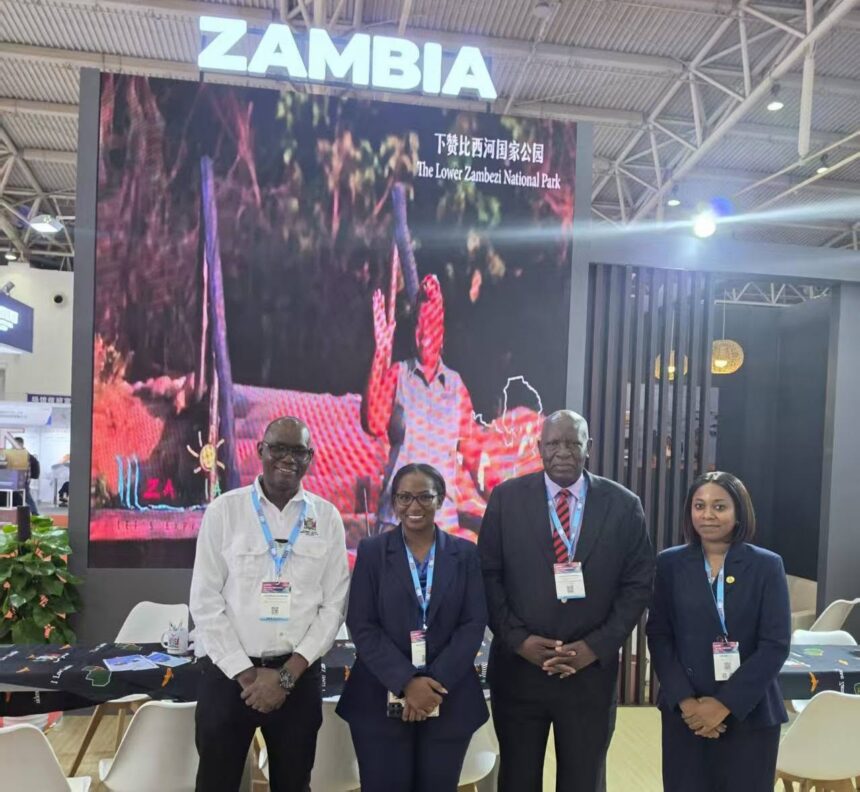
Zambia is strengthening its international tourism promotion efforts through its participation in the China Inbound and Outbound Travel Market (COITM) 2026 in Beijing, China. The country is using the exhibition to showcase its tourism potential, establish business connections and encourage more Chinese travellers to visit its attractions. Led by Zambia Tourism Agency (ZTA) Acting Chief Executive Officer Abigail Shansonga, the Zambian delegation is participating in collaboration with the Embassy of the Republic of Zambia in Beijing. The engagement provides an opportunity for Zambian tourism representatives to meet tour operators, travel agents and Destination Management Companies from China and other markets. Zambia’s participation also supports the Government’s Grow Zambia Agenda, which identifies tourism as an important sector for economic growth, employment creation and increased international investment.
The China Inbound and Outbound Travel Market provides a platform for tourism businesses and destination representatives to explore opportunities in international travel. For Zambia, participating in COITM 2026 creates an opportunity to engage directly with travel industry professionals who can help connect Chinese visitors with tourism experiences in the country. These engagements can support discussions about travel packages, destination marketing, visitor services and potential partnerships between tourism businesses. Establishing relationships with international travel companies is important because many visitors depend on tour operators and travel agents when planning trips to unfamiliar destinations. By promoting Zambia in Beijing, the delegation is seeking to increase awareness of the country and strengthen its position in the competitive international tourism market.
The Zambian delegation is led by Abigail Shansonga in her capacity as Acting Chief Executive Officer of the Zambia Tourism Agency. Working alongside the Zambian Embassy in Beijing, the delegation is engaging tourism industry representatives to identify areas of shared commercial interest. Diplomatic missions can support tourism promotion by facilitating contact between businesses, providing information about the destination and helping build relationships with overseas partners. Cooperation between the Zambia Tourism Agency and the embassy brings together tourism marketing and diplomatic engagement in support of the country’s wider economic objectives. These efforts are intended to create practical business opportunities that can contribute to stronger tourism links between Zambia and China.
Visitors to the exhibition can meet the Zambian delegation at stand number 325, where tourism stakeholders are being invited to explore opportunities for collaboration. The stand provides a focal point for discussions about Zambia’s attractions, tourism products and potential travel experiences. Tour operators and travel agents can use these engagements to learn more about the destination and consider how Zambia might fit into their travel programmes. Destination Management Companies can also explore opportunities to work with local tourism businesses on itinerary planning, visitor logistics and related services. Such discussions can help turn general interest in Zambia into commercial relationships that support future travel bookings and tourism development.
China represents an important potential market for Zambia’s international tourism industry because of the opportunities available through greater engagement with Chinese travellers and tourism businesses. Developing a successful tourism relationship requires an understanding of traveller preferences, travel arrangements, spending patterns and the information visitors need before choosing a destination. Chinese travel companies may also be interested in combining Zambia with other destinations in Southern Africa, depending on their customers’ interests and travel schedules. Zambia can strengthen its appeal by providing clear destination information, reliable travel services and tourism products suited to different visitor groups. Continued engagement with the Chinese travel trade can help Zambian businesses understand market expectations and identify practical ways to attract more visitors.
Zambia has a range of tourism attractions that can appeal to international travellers seeking nature, wildlife, adventure and cultural experiences. Victoria Falls, one of the country’s best-known attractions, provides opportunities for sightseeing and adventure activities in the surrounding area. National parks and wildlife destinations offer experiences for visitors interested in wildlife viewing and natural landscapes. Cultural tourism can also introduce travellers to Zambia’s traditions, communities, food and heritage. Promoting this range of experiences can help the country appeal to different travel interests rather than relying on a single attraction.
Effective destination marketing is essential when introducing Zambia to potential visitors who may have limited knowledge of the country’s tourism offering. Tourism promotion needs to explain what travellers can experience, how they can reach different destinations and what arrangements they should make before travelling. Clear information about accommodation, transport, tour packages and available activities can help prospective visitors assess their options. Cooperation with Chinese tour operators and travel agents can make it easier to package these services into itineraries that meet the needs of different customers. Stronger marketing relationships can also help Zambian tourism businesses reach audiences that they might struggle to access independently.
Business-to-business engagement is a key part of Zambia’s participation at COITM 2026. Meetings between tourism operators can lead to discussions about joint marketing, travel packages, distribution arrangements and other forms of cooperation. Chinese travel companies can bring knowledge of their domestic market, while Zambian businesses can provide destination expertise and access to local tourism services. When these partnerships are supported by clear agreements and reliable service delivery, they can help improve the visitor experience and create commercial opportunities for both sides. The value of the exhibition will therefore depend not only on the number of contacts made but also on whether discussions develop into working relationships and actual travel bookings.
Tourism growth can generate economic benefits that extend well beyond hotels and tour companies. Visitors spend money on accommodation, transport, meals, activities, souvenirs and other services, creating demand for businesses throughout the tourism value chain. Local farmers and food suppliers can benefit when tourism establishments purchase locally produced goods. Craft producers, guides, drivers and small business owners can also gain opportunities when visitors explore destinations and purchase local services. Increasing international arrivals can therefore support a wider network of enterprises, although the scale of these benefits depends on visitor spending and the extent to which local businesses participate.
Employment creation is another important objective behind Zambia’s efforts to expand tourism. Hotels, lodges, restaurants, tour operators and transport providers need workers to deliver services to visitors. Growth in demand can create opportunities in hospitality, guiding, customer service, food preparation, transport and business management. Tourism can also offer opportunities for entrepreneurs who establish small businesses serving travellers and tourism operators. For these benefits to be sustainable, businesses need skilled workers, reliable infrastructure and a stable environment in which they can invest and expand.
Zambia’s participation at COITM 2026 is aligned with the Government’s Grow Zambia Agenda, which seeks to expand productive economic activity, encourage investment and improve livelihoods. The agenda places emphasis on turning economic priorities into practical results through stronger business participation and targeted development efforts. Tourism can contribute to these objectives by attracting foreign visitors, generating income and creating opportunities for domestic enterprises. International engagement helps promote the country to potential partners who may support tourism marketing, infrastructure development and the expansion of travel services. Zambia’s work in China is therefore part of a broader effort to connect the country’s economic ambitions with opportunities in overseas markets.
The country’s target of attracting five million international tourist arrivals annually by 2031 gives added importance to international tourism promotion. Reaching this goal will require sustained efforts across destination marketing, transport connectivity, accommodation, service quality and investment. Participation in international exhibitions can help Zambia build awareness and establish commercial relationships, but these activities need to form part of a consistent long-term strategy. Tourism stakeholders must also ensure that visitors receive reliable services and positive experiences that encourage recommendations and repeat travel. Progress towards the 2031 target will depend on the combined contribution of government institutions, tourism businesses, local communities and international partners.
Improving access to tourism destinations will also be important if Zambia wants to convert greater international interest into actual arrivals. Travellers need practical options for reaching the country and moving between attractions once they arrive. Reliable transport services, clear travel information and suitable accommodation can make itineraries easier to plan. Tourism operators also need to coordinate schedules and services so visitors can experience different destinations without unnecessary difficulty. Addressing these requirements can help strengthen Zambia’s competitiveness and improve the overall experience for international tourists.
Sustainable tourism development must remain part of Zambia’s approach as it works to attract more visitors. Many of the country’s attractions depend on healthy ecosystems, protected wildlife and well-managed natural resources. Tourism businesses and public institutions need to consider environmental protection, waste management and responsible use of water and energy as visitor numbers increase. Communities should also have opportunities to benefit from tourism activities and participate in decisions that affect their surroundings. A responsible approach can help preserve Zambia’s natural and cultural attractions while supporting livelihoods over the long term.
Zambia’s tourism engagement with China also reflects the wider relationship between the two countries. Stronger commercial connections can create opportunities for businesses to exchange knowledge, develop partnerships and explore new areas of cooperation. Tourism provides one channel for building people-to-people connections while supporting trade in travel-related services. Cooperation between diplomatic representatives, tourism agencies and private businesses can help identify practical ways to expand these relationships. By maintaining engagement with international partners, Zambia can work towards greater visibility in overseas markets and stronger participation in global tourism.
The success of Zambia’s participation at COITM 2026 will ultimately depend on the results that follow the exhibition. Useful indicators include new business partnerships, joint marketing activities, travel packages featuring Zambia and changes in tourist arrivals from China. Continued communication with the companies engaged in Beijing can help maintain interest and move discussions towards concrete commercial arrangements. Zambian tourism businesses will also need to deliver consistent service quality so that increased promotion translates into positive visitor experiences. Measuring these outcomes can help the country assess which international marketing activities provide the greatest value.
Zambia’s presence at the China Inbound and Outbound Travel Market 2026 demonstrates its commitment to strengthening tourism cooperation and promoting the country as an international travel destination. Through the Zambia Tourism Agency and the Zambian Embassy in Beijing, the delegation is engaging travel industry professionals to explore partnerships and attract more visitors. The country’s natural attractions, wildlife, cultural experiences and adventure tourism opportunities provide a foundation for developing its international profile. These efforts support the Grow Zambia Agenda and the national ambition of welcoming five million international tourist arrivals annually by 2031. Sustained cooperation, effective marketing and reliable tourism services will be essential to turning the opportunities identified in China into increased visitor numbers, new jobs and lasting economic benefits for Zambia.