

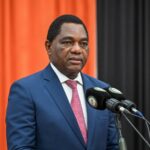



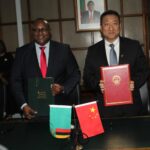


Livingstone has officially ushered in a new chapter in its local leadership following the swearing-in of Bright Hanakamba as Mayor, with the Government urging the city’s leadership to accelerate economic development, improve urban management and strengthen community participation. The installation ceremony, held yesterday, highlighted the importance of cooperation between the Livingstone City Council, corporate institutions and local communities in transforming Zambia’s tourist capital. Government representatives stressed that the city requires effective leadership and practical development strategies to maintain its position as a leading destination for domestic and international visitors. The new mayor has also pledged to prioritise cleanliness and maintain high standards across the city to protect its reputation as a tourism centre. His appointment comes with expectations that the local authority will improve service delivery, modernise urban infrastructure and create conditions that support tourism and economic opportunities for residents.
Officiating at the installation ceremony, Ministry of Local Government and Rural Development Permanent Secretary for Administration, Dr. Gabriel Pollen, emphasised the need for the Livingstone City Council to identify more effective ways of modernising the city. He noted that the local authority has a central role in promoting development because of Livingstone’s importance as a destination for local and international tourists. The city’s tourism industry depends on several factors, including reliable public services, clean surroundings, effective urban planning and a welcoming environment for visitors. Improving these areas requires consistent coordination between the council, government institutions, businesses and community representatives. Dr. Pollen’s remarks placed responsibility on the newly established civic leadership to turn the city’s tourism potential into wider economic benefits for the local population.
Livingstone holds an important position in Zambia’s tourism industry because it serves as a gateway for visitors exploring the country’s natural attractions and hospitality services. Tourism supports a range of economic activities, including accommodation, transport, restaurants, tour operations, retail businesses and cultural experiences. When the city maintains good public spaces and reliable services, it can improve the experience of visitors while supporting businesses that depend on tourism. Poor waste management, inadequate infrastructure and weak urban planning can undermine these efforts and affect the city’s appeal. The new mayor and the Livingstone City Council will therefore need to balance the immediate needs of residents with the expectations of a city that attracts visitors from across Zambia and beyond.
Dr. Pollen also called on the local authority to engage corporate institutions and communities more actively in driving Livingstone’s economic transformation. Cooperation with the private sector can help identify investment opportunities, support local enterprises and encourage improvements to public facilities. Businesses also have an interest in a well-managed city because the quality of the urban environment can influence visitor satisfaction and commercial activity. Community participation is equally important because residents understand many of the daily challenges affecting their neighbourhoods. By building stronger working relationships with businesses and communities, the council can develop practical responses to local needs while supporting the city’s long-term development.
An important priority highlighted during the ceremony was the establishment and operationalisation of Ward Development Committees, commonly known as WDCs. The local authority is expected to facilitate these committees in line with Part V of the Local Government Act No. 2 of 2019. Ward Development Committees provide a framework for community participation in identifying development priorities and engaging with local governance structures. Their effective operation can help residents communicate concerns about roads, sanitation, drainage, public facilities and other services that affect everyday life. Establishing and supporting these committees can also help the council make development planning more responsive to the needs of different communities across Livingstone.
Inclusive local development requires residents to have meaningful opportunities to contribute to decisions that affect their neighbourhoods. Ward Development Committees can help strengthen communication between communities and the local authority by providing a recognised channel for discussing local challenges and priorities. When these structures operate effectively, they can help identify projects that respond to urgent needs and encourage residents to participate in local development initiatives. Their contribution also depends on clear procedures, regular engagement and coordination with the council. For the new civic leadership, making these committees operational will be an important step towards promoting accountable governance and ensuring that development efforts extend beyond the city centre.
In his acceptance speech, Mayor Bright Hanakamba pledged to spearhead high standards of cleanliness throughout Livingstone. He emphasised the importance of keeping the city clean to ensure that it remains a premier destination for both international and domestic tourists. Clean streets, properly managed waste and well-maintained public spaces contribute to a positive visitor experience and help protect public health. These conditions also benefit residents, businesses and institutions that rely on a safe and orderly urban environment. The mayor’s commitment places sanitation and cleanliness among the priorities expected to shape his leadership.
Maintaining cleanliness across Livingstone will require more than occasional clean-up campaigns. The council will need effective waste collection, appropriate disposal arrangements, public sanitation facilities and regular maintenance of roadsides and shared spaces. Residents, traders, hotels, restaurants and other businesses also have a role to play by disposing of waste responsibly and keeping their surroundings clean. Public awareness initiatives can encourage better habits, while consistent enforcement of applicable rules can help reduce practices that contribute to littering and poor sanitation. A coordinated approach would support the mayor’s stated goal of preserving Livingstone’s reputation as a leading tourist destination.
Urban modernisation is another important challenge facing the new administration. As a city serving residents and visitors, Livingstone needs local infrastructure and public services that can respond to changing demands. Effective planning can help the council manage land use, improve public spaces and address service delivery challenges as economic activity develops. Modernisation also involves making local government operations more efficient and ensuring that available resources support clearly defined priorities. Progress in these areas will depend on planning, funding, coordination with relevant government institutions and the council’s ability to implement development projects effectively.
The city’s economic transformation will also depend on how well tourism opportunities translate into benefits for local communities. A stronger tourism economy can create demand for accommodation, food services, transport, crafts and other products offered by local businesses. Supporting small enterprises and encouraging responsible investment can help more residents participate in the sector. The council can contribute by improving the business environment, maintaining public infrastructure and working with stakeholders to identify development needs. While tourism remains central to Livingstone’s identity, broader economic progress will require attention to the quality of life of residents and the opportunities available to them.
Cooperation between the Livingstone City Council and corporate institutions could also help support projects that improve the city’s public spaces and services. Businesses may contribute through investment, partnerships and initiatives that align with local development priorities. However, successful cooperation requires clear responsibilities, transparent processes and an understanding of the public benefits expected from each initiative. Community engagement can help ensure that such projects address local needs rather than focusing only on areas frequented by visitors. Strong coordination among the council, businesses and residents will therefore be important as the new administration works towards its development goals.
The installation of Bright Hanakamba as Livingstone Mayor marks the beginning of a period in which the city’s civic leadership is expected to demonstrate practical progress in tourism management, urban modernisation and inclusive development. Government has placed particular emphasis on stronger engagement with businesses and communities, as well as the operationalisation of Ward Development Committees in accordance with the Local Government Act No. 2 of 2019. The mayor has, in turn, pledged to promote high standards of cleanliness to protect Livingstone’s appeal to domestic and international tourists. Delivering on these priorities will require effective planning, consistent service delivery and cooperation among all stakeholders. As Zambia’s tourist capital continues to pursue economic growth, the new administration’s ability to improve the urban environment and ensure that residents share in development opportunities will be central to its progress.