







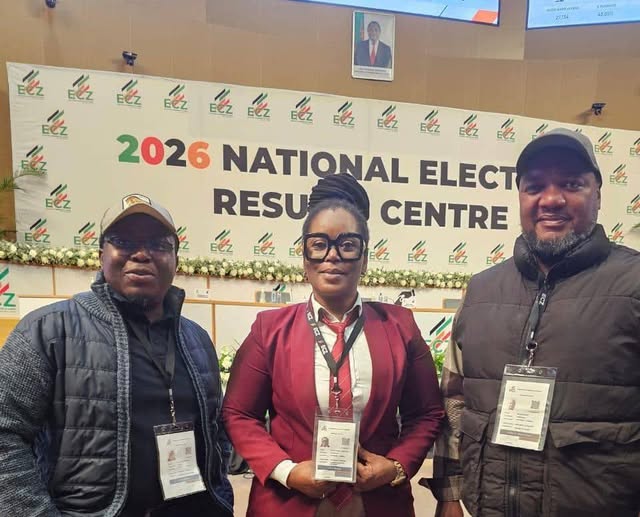
The Civil Society Alliance on Legal Reforms (CSALR) has commended Zambia for conducting what it described as peaceful elections, while raising concern over reported incidents that could undermine confidence in the electoral process. The alliance said the calm and order observed at polling stations across the country reflected the maturity of Zambian citizens and the strength of the country’s democratic culture. In a statement issued on Saturday, CSALR Chairperson Dr Caroline Katotobwe praised citizens for participating in the electoral process peacefully and responsibly. At the same time, the organisation condemned reported acts of violence and what it described as manufactured actions intended to threaten the credibility of the polls. The statement places emphasis on both the positive conduct witnessed during voting and the need to address incidents that could weaken public trust in the election.
Dr Katotobwe said the peaceful atmosphere experienced at polling stations demonstrated the commitment of ordinary Zambians to democratic participation. According to the alliance, citizens across the country maintained calm and order while exercising their right to vote. This conduct is significant because peaceful participation allows voters to make their choices without fear or intimidation. CSALR said it remained confident in the voice of every Zambian who turned out to participate in the election. The organisation’s assessment highlights the role voters play in protecting the integrity of an electoral process through responsible participation and respect for democratic procedures.
The alliance nevertheless expressed strong concern over reported acts of violence and other actions that it believes were intended to damage the credibility of the polls. CSALR condemned such incidents and indicated that they should not be allowed to overshadow the broader peaceful conduct of citizens. Electoral violence can have consequences beyond individual incidents because it can create fear among voters and weaken confidence in democratic institutions. Allegations of manufactured actions can also create uncertainty about whether events surrounding an election accurately reflect what happened on the ground. For this reason, CSALR’s call for attention to these reports places the credibility and transparency of the electoral process at the centre of the discussion.
CSALR’s statement also expressed confidence in the electoral voice of Zambians who participated in the voting process. The organisation said it remained confident in citizens who turned out to cast their ballots and make their choices through the established democratic process. This position places voters at the heart of the election and recognises their role in determining the country’s political direction. Peaceful voting provides citizens with an opportunity to influence leadership and public policy without resorting to confrontation. Maintaining respect for the ballot and the lawful electoral process therefore remains important as the country moves through the counting and results announcement stages.
The alliance also reaffirmed its expectation that the incumbent would succeed, citing the support it said was demonstrated by citizens during the electoral process. This represents a clear political assessment by the civil society organisation based on its interpretation of the support observed during voting. However, the final determination of the election remains the responsibility of the relevant electoral authorities and the official results process. Expectations about an electoral outcome do not replace the formal verification, counting and declaration procedures required under electoral law. The distinction is important because public confidence depends on allowing the official process to determine the final outcome based on verified results.
The comments from CSALR come at a sensitive point in Zambia’s electoral process, when attention is focused on the conduct of voting, the counting of ballots and the announcement of results. Political parties, civil society groups, observers and members of the public all have an interest in ensuring that the process remains credible. Statements from organisations such as CSALR can contribute to public debate by highlighting both positive developments and areas of concern. At the same time, allegations relating to violence or attempts to undermine the election need to be handled through appropriate legal and institutional channels. This approach can help ensure that concerns are investigated without unnecessarily escalating tensions.
Peaceful elections also have wider implications for Zambia’s democratic reputation. A stable electoral environment can strengthen confidence among citizens, political actors, investors and international observers. It can also demonstrate that political competition does not have to result in widespread conflict or disruption. Zambia has previously been recognised for its competitive electoral politics and relatively strong culture of civic participation, although elections have also faced disputes and allegations of irregularities. The latest CSALR statement reflects the importance of protecting the positive aspects of the process while addressing incidents that could threaten public confidence.
The alliance’s criticism of reported violence also reinforces the need for political actors and their supporters to exercise restraint. Elections can generate strong emotions, particularly when the contest involves closely watched candidates and parties with competing visions for the country. Political disagreements should remain within the boundaries of lawful democratic engagement, regardless of which candidate or party supporters favour. Citizens also have a responsibility to avoid actions that could provoke confrontation or intimidation. Maintaining peace throughout the remaining stages of the electoral process will be essential to ensuring that the final outcome is accepted through constitutional and legal mechanisms.
For Zambia, the period after voting is just as important as election day itself. The counting, verification and announcement of results must be conducted transparently so that voters and competing political parties can have confidence in the figures. Where concerns or disputes arise, established legal mechanisms provide a framework for addressing them without resorting to violence. Civil society organisations can also contribute by monitoring developments, encouraging peaceful engagement and advocating for electoral reforms where weaknesses are identified. CSALR’s statement therefore contributes to a wider conversation about how Zambia can preserve peaceful democratic participation while strengthening the credibility of its electoral institutions.
The CSALR has ultimately presented a mixed assessment of Zambia’s elections, praising citizens for maintaining peace while strongly condemning reported incidents that could threaten the credibility of the polls. Dr Caroline Katotobwe’s statement places particular emphasis on the calm observed at polling stations and the confidence the alliance has in citizens who participated in the election. At the same time, the organisation has made clear that violence and actions designed to undermine the electoral process should not be ignored. As Zambia continues through the remaining stages of the election, maintaining peace, respecting the official results process and addressing legitimate concerns through lawful channels will remain critical. The conduct of citizens, political parties, electoral officials and other stakeholders will ultimately determine whether the country can preserve the peaceful democratic environment that CSALR has praised while strengthening confidence in the final outcome.