




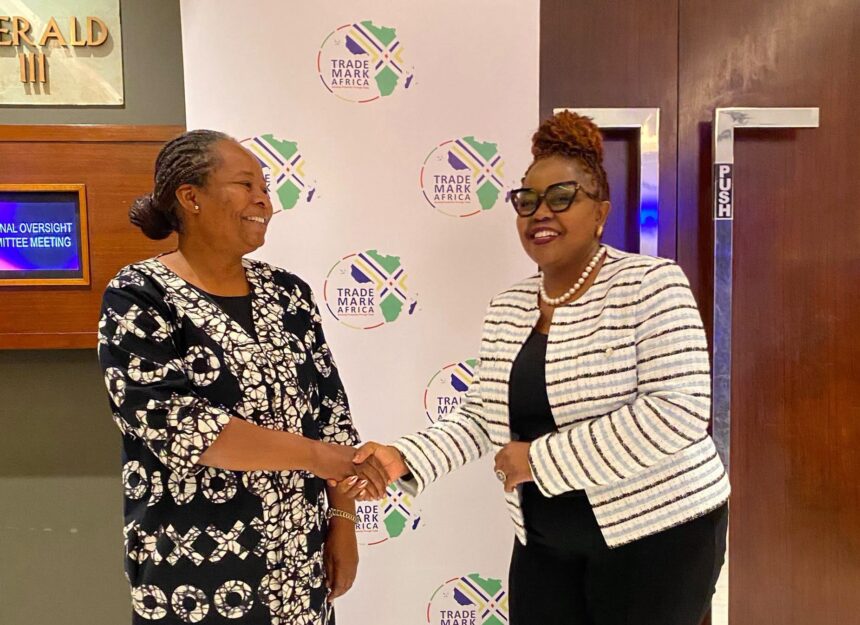
Zambia has taken another important step toward improving its trade environment following the Fourth Meeting of the National Oversight Committee, which was convened by the Ministry of Commerce, Trade and Industry in partnership with TradeMark Africa. The meeting brought together key government officials, development partners and stakeholders to review progress made under the TradeMark Africa Zambia Programme while identifying priorities for the future. Discussions focused on strengthening trade facilitation, improving border management and creating a more competitive business environment that supports economic growth. The gathering also provided an opportunity to evaluate achievements since the previous committee meeting and agree on practical measures that will help Zambia achieve its long-term trade objectives. By reinforcing collaboration between government and development partners, the meeting demonstrated Zambia’s determination to position itself as a stronger participant in regional and global trade.
A major outcome of the meeting was the review of progress made in implementing resolutions that had been agreed upon during the previous National Oversight Committee session. Members examined completed activities as well as areas that still require attention to ensure that Zambia’s trade facilitation reforms continue to move forward. The committee emphasized that consistent monitoring and accountability remain essential for delivering meaningful improvements across the country’s trade systems. Participants also discussed challenges that continue to affect cross-border trade and explored solutions that can improve efficiency while reducing unnecessary delays. The review process highlighted the importance of maintaining momentum so that earlier investments continue to deliver measurable benefits for businesses and consumers alike.
The meeting also marked an important milestone with the transition to the implementation of the TradeMark Africa Zambia Country Strategy Programme for the period from 2025 to 2030. This new strategy will serve as the framework guiding cooperation between the Government of Zambia and TradeMark Africa over the next five years. The programme is designed to strengthen trade competitiveness, promote regional economic integration and support sustainable economic development through targeted interventions. By providing a structured roadmap, the strategy aims to ensure that resources are directed toward initiatives that produce lasting improvements in trade performance. The long-term approach is expected to enhance Zambia’s ability to take advantage of opportunities within regional and international markets while supporting broader national development goals.
Officially opening the meeting, Permanent Secretary for Commerce and Trade, Mrs. Lillian S. Bwalya, reaffirmed the Government’s commitment to strengthening trade facilitation through strategic partnerships. She acknowledged the valuable contributions made by TradeMark Africa, the Common Market for Eastern and Southern Africa, the United Kingdom Foreign, Commonwealth and Development Office and other cooperating partners that continue to support Zambia’s trade reforms. According to Mrs. Bwalya, these partnerships have played a significant role in improving the country’s trade environment by providing technical expertise, financial support and collaborative solutions. She stressed that sustained cooperation between government institutions and development partners remains essential for achieving shared objectives. Her remarks reflected the importance of collective action in addressing barriers that hinder efficient trade and economic growth.
Mrs. Bwalya also highlighted several areas where notable progress has already been achieved since the previous National Oversight Committee meeting. She pointed to the successful stabilization of the Automated System for Customs Data, commonly known as ASYCUDA, which plays a critical role in modernizing customs administration and facilitating faster trade processes. In addition, she noted improvements in border infrastructure that are helping to ease the movement of goods while supporting increased trade volumes. Enhanced Coordinated Border Management systems have also contributed to better collaboration among border agencies, making trade procedures more efficient and predictable. The strengthening of sanitary and phytosanitary systems further demonstrates Zambia’s commitment to maintaining internationally accepted standards that support safe and competitive trade.
Despite these positive developments, Mrs. Bwalya encouraged all stakeholders to maintain the current pace of implementation and complete the remaining interventions without unnecessary delays. She emphasized that achieving meaningful improvements requires continued commitment from every institution involved in implementing trade reforms. Addressing outstanding challenges will help create a more reliable trading environment that benefits businesses of all sizes. Faster implementation of agreed reforms is also expected to reduce operational bottlenecks that increase the cost of moving goods across borders. By working together, both public and private sector stakeholders can ensure that Zambia continues to build a modern trade system capable of supporting sustainable economic expansion.
The Permanent Secretary also called for the development and adoption of a results-oriented Zambia Business Plan for the 2026 to 2027 period. She explained that the plan should align closely with national development priorities while focusing on practical outcomes that improve the country’s overall business environment. Reducing the cost of doing business remains one of the key objectives because lower operating costs can encourage greater investment and improve the competitiveness of local industries. The proposed business plan is also expected to strengthen Zambia’s position within regional and international markets by making trade processes more efficient and transparent. A clear implementation framework supported by measurable targets will help ensure that reforms deliver tangible benefits for businesses and the wider economy.
The Fourth National Oversight Committee meeting concluded by providing strategic direction for implementing the TradeMark Africa Zambia Country Strategy Programme while reinforcing the Government’s commitment to building a more efficient, predictable and competitive trading environment. The discussions demonstrated that significant progress has already been made, but they also highlighted the need for continued collaboration and sustained implementation of key reforms. Through stronger partnerships, improved border systems and focused policy interventions, Zambia is laying the foundation for increased trade competitiveness and long-term economic development. The new five-year strategy provides a clear path for achieving these ambitions while supporting regional integration and expanding opportunities for businesses across the country. As Zambia continues to modernize its trade systems and strengthen cooperation with development partners, the country is well positioned to unlock greater economic potential and create a more resilient trading environment for the future.