






Zambia’s energy sector has undergone significant transformation over the past five years as the Government continues implementing reforms designed to improve electricity generation, strengthen energy security and expand access to reliable power across the country. Yesterday, the Ministry of Energy outlined the major achievements, investments and policy interventions introduced since 2021, highlighting the progress made in both the electricity and petroleum sectors. The update demonstrated how strategic reforms have helped create a more attractive environment for investment while supporting national economic growth and sustainable development. Government officials emphasized that improving access to affordable and reliable energy remains a national priority because it plays a critical role in industrial development, job creation and improved living standards. The progress presented reflects Zambia’s long term commitment to building a resilient energy sector capable of meeting the country’s growing demand.
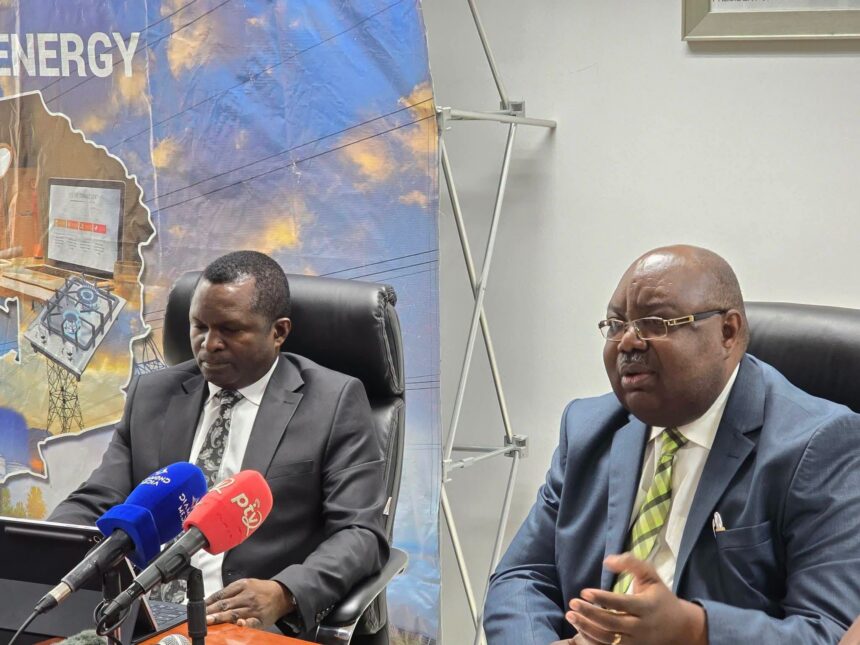
Speaking on developments in the electricity sector, Ministry of Energy Permanent Secretary for Electricity Arnold Simwaba explained that the Government has implemented several important reforms aimed at strengthening the industry’s performance. Among the most notable initiatives are the Electricity Open Access Regulations introduced in July 2024, the Energy Single Licensing System launched in June 2024 and the Electricity Net Metering Programme. These reforms have simplified investment processes, encouraged greater participation by the private sector and improved the overall efficiency of electricity generation and distribution. The Electricity Net Metering Programme alone is contributing more than 30 megawatts to the national electricity grid by allowing consumers to generate renewable energy and feed surplus electricity back into the system. According to Mr. Simwaba, these policy changes have laid a stronger foundation for continued growth within Zambia’s electricity industry.
The Government also highlighted remarkable progress in expanding the country’s electricity generation capacity since 2021. Installed electricity generation capacity has increased from approximately 3,100 megawatts in 2021 to 4,576 megawatts in 2026, representing substantial growth over a relatively short period. One of the most significant achievements has been the rapid expansion of solar power generation, which has grown from just 88 megawatts in 2021 to approximately 841 megawatts in 2026. This increase demonstrates Zambia’s growing commitment to renewable energy as part of its broader strategy to diversify electricity generation and reduce dependence on traditional energy sources. Expanding renewable energy also strengthens the country’s resilience against climate related challenges that can affect hydroelectric power generation.
Government is now advancing a range of new projects designed to achieve an ambitious target of generating 10,000 megawatts of electricity by 2031. Achieving this goal would significantly increase Zambia’s ability to meet rising domestic demand while creating opportunities to export electricity to neighboring countries. Higher generation capacity is expected to support industrial expansion, mining activities, manufacturing and other sectors that rely heavily on stable electricity supplies. Continued investment in generation infrastructure will also improve reliability and reduce power shortages that can affect businesses and households. The Government believes that sustained investment and regulatory reforms will help position Zambia as a regional energy hub in the coming years.
Expanding access to electricity has remained another major priority under the Government’s energy strategy. Between 2022 and 2026, more than 300,000 new electricity connections were completed across the country, increasing national electricity access from 34 percent in 2021 to 56 percent. This progress has enabled more households, schools, healthcare facilities and businesses to benefit from reliable electricity services. Improved electricity access contributes directly to economic development by supporting education, healthcare delivery, entrepreneurship and digital connectivity. The expansion also reduces dependence on less reliable and more expensive alternative energy sources in many communities.
One of the key initiatives supporting greater electricity access is the ASCENT Programme, which focuses on making electricity connections more affordable for rural and peri urban households and businesses. Under the programme, eligible customers can obtain a standard single phase electricity connection for only K300, compared to the previous cost of K4,846. This substantial reduction has removed one of the biggest financial barriers preventing many families and small businesses from accessing electricity. Affordable connections are expected to accelerate rural electrification while promoting inclusive economic development across Zambia. By lowering connection costs, the Government aims to ensure that more citizens benefit from modern energy services regardless of their income levels.
In the petroleum sector, Ministry of Energy Permanent Secretary for Energy Professor Ephraim Munshifwa highlighted several reforms that have strengthened fuel security, improved efficiency and increased private sector participation. He explained that the Government has implemented measures to reduce financial exposure while creating a more competitive petroleum market. One of the most significant achievements has been the reduction of petroleum procurement debt from more than US$900 million in 2022 to approximately US$210 million as of July 2026. This substantial improvement reflects stronger financial management and reforms within the fuel procurement system. Lower debt levels place the sector in a more sustainable financial position while improving confidence among investors and industry stakeholders.
Professor Munshifwa also pointed to reforms involving the TAZAMA Pipeline and the TAZAMA Open Access Framework as major contributors to increased competition within Zambia’s fuel sector. These reforms have helped improve market efficiency while contributing to lower diesel prices for consumers. Diesel pump prices have fallen from K32.54 per litre in March 2025 to K28.11 per litre as of July 2026, providing relief for transport operators, businesses and households affected by fuel costs. Competitive pricing supports economic activity by reducing transportation and production expenses across multiple industries. The reforms demonstrate how policy changes can directly benefit consumers while improving the overall performance of the energy sector.
The Government has also invested heavily in strengthening Zambia’s petroleum infrastructure to improve national fuel security. Petroleum storage capacity has increased from 666,078 cubic metres to 786,078 cubic metres, allowing the country to maintain larger strategic fuel reserves. These investments improve the country’s ability to respond to supply disruptions while ensuring greater stability within the domestic fuel market. Despite ongoing challenges in global energy markets, Zambia has maintained uninterrupted fuel supplies throughout this period. Current fuel stocks include 111.27 million litres of diesel, 29.75 million litres of petrol, 102,716 litres of kerosene and 2.96 million litres of Jet A-1 fuel, demonstrating the country’s improved preparedness and resilience.
The progress highlighted by the Ministry of Energy illustrates Zambia’s determination to build a stronger, more reliable and sustainable energy sector that supports national development. Significant increases in electricity generation, rapid expansion of renewable energy, improved electricity access and stronger petroleum reforms have all contributed to enhancing energy security since 2021. Investments in infrastructure, regulatory improvements and greater private sector participation are creating conditions that encourage continued growth while improving services for citizens and businesses alike. As the Government pursues its target of 10,000 megawatts of electricity generation by 2031 and continues strengthening fuel security, Zambia is positioning itself for long term economic development powered by a modern and resilient energy sector. These achievements provide a strong foundation for future investment while ensuring that reliable and affordable energy remains central to the country’s development agenda.