





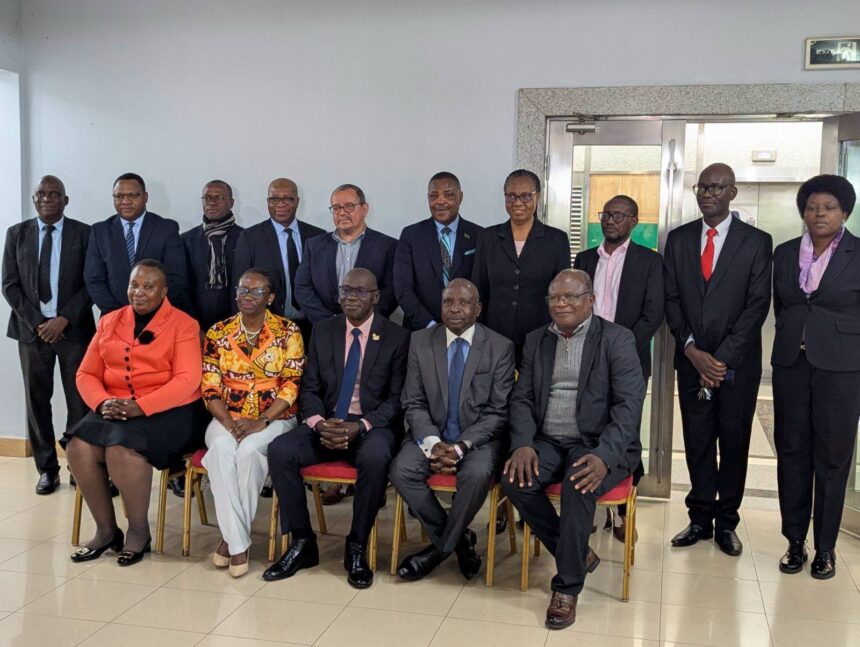
The Information and Media sector in Zambia has taken a structured step toward stronger institutional governance following the induction of newly appointed Audit Committee Members, an event presided over by Permanent Secretary Mr. Thabo Kawana. The induction, which took place yesterday, focused on reinforcing accountability systems within the Ministry and its institutions to ensure improved oversight of public resources. The move reflects an ongoing effort by government to tighten financial controls and enhance transparency in public service delivery. It also signals a renewed commitment to building trust between public institutions and citizens through stronger governance frameworks. The induction forms part of broader reforms aimed at strengthening institutional performance across government ministries.
During the induction, Mr. Kawana emphasised the importance of transparency, accountability, and sound financial management as essential pillars of good governance. He stressed that public institutions must consistently uphold these principles to ensure that resources are managed responsibly and efficiently. According to him, strong financial discipline is not only a legal requirement but also a moral obligation for public service institutions. He further highlighted that effective governance depends on systems that prevent misuse of public funds while promoting efficiency in service delivery. His remarks underscored the government’s focus on building a culture of accountability at every level of administration.
A key focus of the induction was the role of Audit Committee Members in safeguarding public resources through independent oversight. Mr. Kawana stated that these committees serve as a critical layer of accountability within government structures. Their responsibilities include reviewing financial systems, identifying risks, and ensuring that public funds are used for their intended purposes. He noted that their independence is essential in maintaining objectivity and credibility in their work. The Permanent Secretary also reaffirmed that their contributions are central to strengthening public trust in government institutions.
Members of the Audit Committees were further urged to perform their duties with integrity, diligence, objectivity, and independence at all times. Mr. Kawana reminded them that their work directly impacts public confidence in the Ministry’s operations and outcomes. He encouraged them to maintain high ethical standards while executing their responsibilities in service of the public interest. He also emphasised that their recommendations should be practical and aimed at improving institutional efficiency. By doing so, the Committees are expected to help foster a stronger culture of compliance and professionalism within the Ministry.
The induction also highlighted the legal framework guiding the work of Audit Committees, particularly Section 19 of the Public Finance Management Act No. 1 of 2018. This provision establishes the mandate and operational boundaries of the Committees, ensuring that their work is grounded in law. Mr. Kawana reminded members that adherence to this legislation is essential for maintaining order and consistency in financial oversight. He noted that the Act provides the foundation for accountability mechanisms across government institutions. This legal reinforcement ensures that audit functions remain structured, enforceable, and aligned with national governance standards.
Management within the Ministry reaffirmed its commitment to supporting the Audit Committees in executing their mandate effectively. Mr. Kawana assured members that their recommendations would be taken seriously and implemented promptly where necessary. This commitment is aimed at strengthening institutional responsiveness and improving service delivery outcomes. He expressed confidence that the Committees would play a significant role in enhancing overall institutional performance. Their work is expected to contribute to more efficient systems and improved governance practices across the Ministry.
The induction of the Audit Committee Members marks a significant step in Zambia’s efforts to strengthen accountability and transparency within public institutions. It reinforces the importance of independent oversight in managing public resources and ensuring that government operations remain efficient and credible. With clear legal backing and strong institutional support, the Committees are positioned to make a meaningful impact on governance outcomes. Their role will be critical in shaping ethical standards and improving financial management practices. This development reflects a broader commitment to ensuring that public institutions operate in the best interest of the Zambian people.