

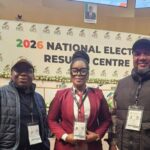

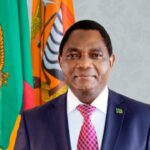




Aspiring Member of Parliament for Katuba Constituency in Central Province, Chooma Mwachikoka, has praised President Hakainde Hichilema for returning the Public Gatherings Bill to Parliament for further adjustments. The decision has drawn attention across political and civic spaces as stakeholders continue to engage on how best to balance public order with democratic freedoms. Mwachikoka described the move as a sign of responsive leadership that prioritises citizen participation in shaping national laws. He noted that such decisions help strengthen trust between government and the public. The development has been viewed as an important moment in Zambia’s ongoing democratic evolution.
Mwachikoka stated that President Hichilema’s action reflects democratic leadership that ensures the voices of stakeholders and ordinary citizens are taken into account. He emphasized that governance should remain inclusive, particularly when dealing with legislation that affects fundamental freedoms such as the right to assemble. According to him, returning the bill to Parliament demonstrates a willingness to refine legal frameworks in line with public expectations. He added that this approach helps prevent potential misunderstandings and promotes wider acceptance of national laws. His remarks highlighted the importance of consultation in legislative processes.
A key issue raised by Mwachikoka relates to the clause requiring organizers of public gatherings to notify the police. He expressed the view that this requirement should be amended to focus on notification and coordination for manpower support rather than strict permission-based controls. He argued that such a revision would help maintain public order while respecting constitutional rights to assembly. He further noted that clear communication between citizens and law enforcement can reduce tensions during public events. His position reflects ongoing debates about how best to balance security concerns with democratic freedoms.
Mwachikoka further stated that while supporting reforms, government must also ensure that all security considerations are adequately addressed during public gatherings. He emphasized that safety for both participants and the general public should remain a top priority in any legislative framework. According to him, well-structured coordination between event organizers and security agencies can help prevent disorder without restricting civic participation. He also pointed out that clear guidelines would benefit both authorities and citizens by reducing ambiguity in implementation. His comments underline the need for practical solutions that support both order and freedom.
He also called for careful review of other contentious clauses within the Public Gatherings Bill before it is brought back to the president for assent. Mwachikoka stressed that thorough parliamentary scrutiny is essential to ensure that the final version of the law reflects the interests of all stakeholders. He urged lawmakers to engage widely with citizens and civil society organizations during the review process. He added that inclusive consultation would help produce legislation that is fair, balanced, and widely accepted. His remarks reinforce the importance of participatory law-making in a democratic society.
According to Mwachikoka, the president’s decision to return the bill demonstrates a commitment to strengthening Zambia’s democratic foundations. He stated that young democracies benefit greatly when leaders are willing to revisit legislation in response to public feedback. He added that this process helps build confidence in governance systems and encourages greater civic engagement. His comments positioned the move as a positive step toward deepening democratic culture in the country. He further emphasized that such actions contribute to long-term institutional stability.
The Public Gatherings Bill continues to attract attention as stakeholders debate its provisions and implications for civic freedoms. Mwachikoka’s remarks add to a growing national conversation about the need for balanced legislation that protects both public order and constitutional rights. His support for the president’s decision reflects a broader call for cooperation between government, parliament, and citizens in shaping effective laws. The discussion highlights the importance of ensuring that legal reforms are not only enforceable but also widely understood and accepted. It also reflects the evolving nature of governance in Zambia as democratic processes continue to mature.
Chooma Mwachikoka’s commendation of President Hakainde Hichilema’s decision to return the Public Gatherings Bill to Parliament underscores the value of inclusive and responsive governance. His call for amendments to specific clauses and careful review of contentious sections reflects a desire for balanced legislation that respects both security needs and democratic freedoms. The ongoing review process presents an opportunity for stakeholders to contribute meaningfully to a law that affects civic participation. As Parliament continues its deliberations, the emphasis remains on achieving a fair and practical legal framework. The development highlights the importance of dialogue in strengthening Zambia’s democracy and ensuring that laws reflect the will and interests of its citizens.