





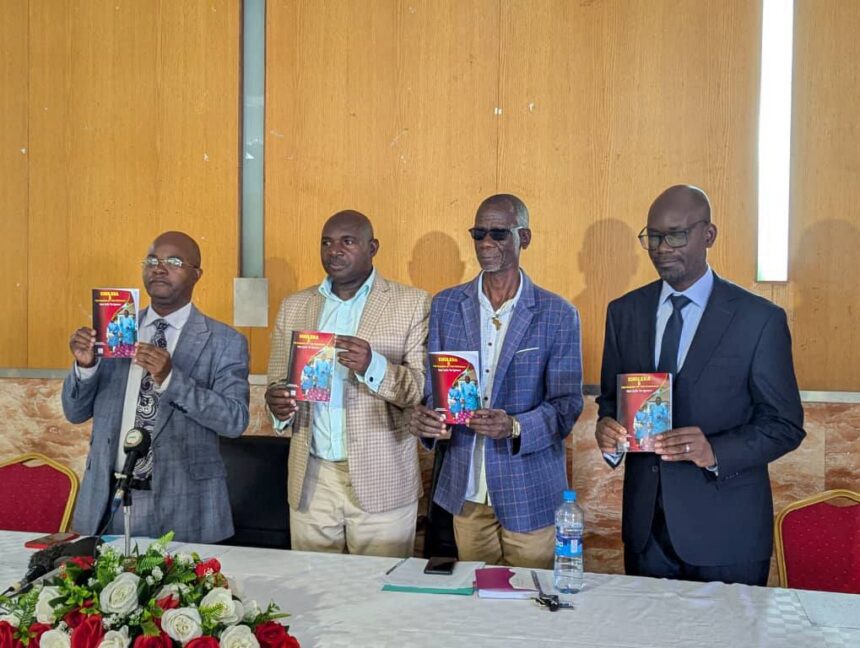
Yesterday, Ministry of Education Senior Education Officer for Curriculum and Guidance, Dr Dickson Mtonga, officiated at the official launch of the book titled “Cholera and the Passion of the President,” written by Mr Bwalya Mutale. The launch brought together education stakeholders, public health voices, and community representatives to reflect on Zambia’s experience during the 2023/2024 cholera outbreak. The publication focuses on leadership, national solidarity, and the emotional and operational realities of responding to a major public health emergency. It also presents a structured reflection on how governance, community action, and frontline service delivery interacted during a period of national strain. The event highlighted the importance of documenting such experiences for future learning and policy improvement.
The book provides a detailed account of the 2023/2024 cholera outbreak, which affected multiple parts of the country and placed significant pressure on health systems and communities. It describes how health authorities coordinated a nationwide response that involved rapid deployment of medical teams, emergency treatment centres, and public health interventions. One of the key reference points in the publication is the Heroes Stadium Treatment Centre, which played a central role in patient care during the peak of the outbreak. The text also notes that many lives were lost during this period, underscoring the severity of the crisis and the urgency of response measures. It further outlines how authorities worked to maintain essential services while managing rising infection rates and public concern.
A major focus of the publication is the role of frontline healthcare workers who served under extreme pressure, often in volunteer capacities. The book highlights their dedication in providing care, managing treatment centres, and supporting affected families despite limited resources and high risk exposure. It also emphasises the importance of coordinated action between government institutions, health professionals, and local communities in reducing the spread of the disease. Compassionate governance is presented as a key factor in stabilising affected areas, alongside community involvement that supported hygiene promotion and public awareness efforts. The publication also reflects on how solidarity at national level helped sustain morale during a challenging health emergency.
In addition to documenting events, the book draws attention to public hygiene reforms introduced during and after the outbreak response. It explains how sanitation awareness, clean water access initiatives, and behavioural change campaigns were strengthened to reduce further transmission risks. The narrative reinforces that cholera control requires both immediate emergency intervention and long-term infrastructure and behavioural improvements. It also stresses the importance of preparedness planning for future outbreaks, particularly in vulnerable communities. The lessons presented are framed as practical guidance for improving future national responses to similar health threats.
The publication concludes with a strong message on the link between public health and national productivity, stating that a healthy nation is a productive nation. It reaffirms Zambia’s commitment to eradicating preventable waterborne and communicable diseases through sustained prevention, investment in health systems, and improved preparedness strategies. The book positions the cholera experience as both a national challenge and a learning opportunity that can strengthen future responses. Dr Dickson Mtonga’s role in officiating the launch underscored the importance of integrating health awareness and civic education within broader national development efforts. The event ultimately reinforced the value of documenting public health experiences to guide policy, education, and community resilience going forward.