
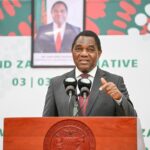

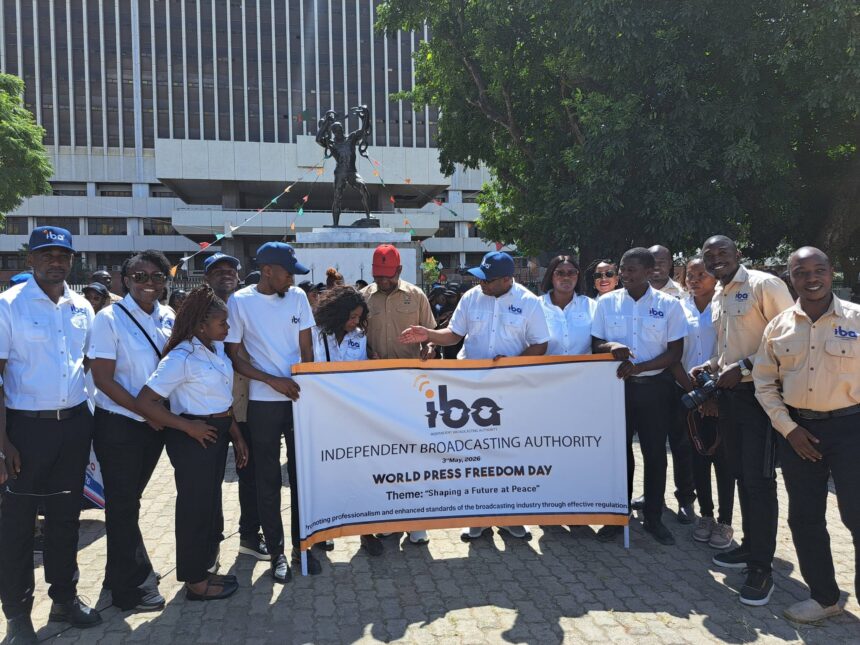
The commemoration of World Press Freedom Day in Lusaka brought renewed focus to the role of the media in shaping Zambia’s democratic future. The event, officiated by Cornelius Mweetwa, highlighted the growing responsibility placed on journalists as the country moves closer to a critical election period. Speaking as both Minister of Information and Media and Chief Government spokesperson, he stressed that journalism must go beyond reporting and actively support national interests. His message centered on the need for patriotism, loyalty, and service to citizens as guiding principles in media practice. The event served as a platform to reflect on the state of press freedom while reinforcing the importance of ethical and responsible reporting.
During his address, Mweetwa positioned the media as a central pillar in maintaining peace and national unity within Zambia. He urged journalists, editors, and media stakeholders to work together to strengthen social cohesion through accurate and constructive storytelling. He pointed out that Zambia’s long-standing peace is not guaranteed and must be actively protected through responsible communication. This approach requires journalists to prioritize truth and avoid content that may inflame divisions or create unnecessary tension. His remarks made it clear that the media holds significant influence over public perception and national stability.
The timing of the message carries added weight as Zambia prepares for the August 13, 2026 Presidential and General Elections. Mweetwa emphasized that the condition of the media often reflects the strength of a nation’s democracy. He warned that the narratives created and shared by journalists will directly shape voter understanding and decision-making. This places a high level of responsibility on media practitioners to remain vigilant, professional, and grounded in ethical standards. He called on journalists to ensure that their work contributes to informed participation rather than confusion or manipulation.
A major concern raised during the event was the increasing spread of misinformation and disinformation. Mweetwa noted that as elections approach, false narratives tend to rise, often driven by individuals or groups seeking to influence public opinion unfairly. He cautioned that such practices can destabilize democratic processes and erode public trust. He urged the media to act as a safeguard against these threats by verifying facts and rejecting unsubstantiated claims. According to him, the role of the press is to anchor national discourse in truth rather than amplify distorted views.
Mweetwa also reflected on developments under the leadership of Hakainde Hichilema, pointing to what he described as progress in governance and public order. He highlighted the restoration of the rule of law and a noticeable reduction in political violence as key achievements. Improvements in public spaces such as markets and social areas were cited as indicators of better stability. He also referenced economic recovery efforts, including debt restructuring initiatives, renewed activity in the mining sector, and investments in alternative energy solutions to address electricity shortages linked to drought conditions. These developments, he suggested, provide context for the type of reporting needed to inform citizens accurately.
The Minister challenged journalists to take a more active role in holding political leaders accountable. He stressed the importance of questioning broad or exaggerated statements and demanding evidence-based discussions. According to him, truth must remain central to governance and public communication. He argued that progress depends on honest dialogue and factual reporting, while misinformation leads to setbacks. This call reinforces the watchdog role of the media in ensuring transparency and accountability across all sectors.
He also warned against the misuse of media platforms by individuals or groups pushing personal agendas. Mweetwa made it clear that journalism should not become a tool for spreading pessimism or undermining national development efforts. Instead, he encouraged media professionals to focus on balanced reporting that reflects both challenges and progress. This approach, he said, helps build public confidence and supports constructive national dialogue. His remarks underscored the need for discipline and integrity within the media industry.
The World Press Freedom Day commemoration in Lusaka highlighted a clear message about the future of journalism in Zambia. The government expects the media to play a proactive role in protecting democracy, especially during sensitive periods like elections. The emphasis on patriotism, truth, and accountability sets a high standard for media practice moving forward. As the country approaches the 2026 elections, the actions of journalists will shape public trust and democratic outcomes. The event reinforced that a responsible and ethical media is essential for Zambia’s stability, unity, and long-term progress.