






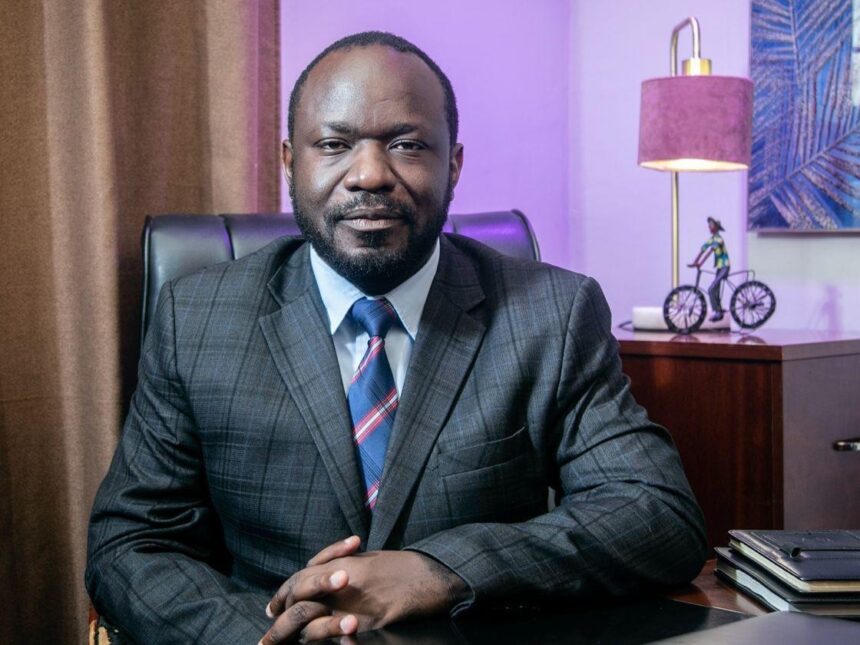
Zambia has made a historic stride in the arts and cultural sector with the election of Maanka Chipindi, Director and Chief Executive Officer of the Zambia National Arts Council, as Chair of the International Federation of Arts Councils and Culture Agencies (IFACCA). The election took place during IFACCA’s 78th Board meeting on February 11, 2026, and Mr. Chipindi is set to officially assume the role on April 1, 2026. He succeeds Kajsa Ravin, who is stepping down following the conclusion of her tenure as Director General of the Swedish Arts Council. The Ministry of Youth, Sport and Arts highlighted that Mr. Chipindi’s election positions Zambia at the forefront of global discussions on arts and cultural policy, signaling recognition of the country’s growing influence in the international creative sector. This appointment represents a milestone not only for Zambia but also for Africa, as it demonstrates the continent’s capacity to contribute to global cultural leadership.
Mr. Chipindi has led the Zambia National Arts Council since 2017, bringing years of experience in cultural governance, arts administration, and policy development. His tenure has been marked by efforts to advance Zambia’s creative sector, strengthen cultural institutions, and support artistic innovation across the nation. Since joining the IFACCA Board in May 2025, Mr. Chipindi has been actively involved in shaping international cultural dialogue and promoting collaboration among arts councils worldwide. The IFACCA Secretariat praised him for his extensive expertise in building cultural ecosystems in Africa and his role in advancing policies that support sustainable arts development. His leadership at both national and international levels reflects a commitment to positioning the arts as a driver of social and economic growth.
As Chair, Mr. Chipindi will work alongside newly elected Deputy Chair Michelle Chawla, Director and CEO of the Canada Council for the Arts, to lead IFACCA in its mission to connect cultural institutions and promote dialogue on the role of arts in development. IFACCA serves as a global network of national arts councils and cultural agencies, fostering international cooperation, knowledge exchange, and policy discussion in the arts sector. The platform allows leaders to share best practices, explore innovative cultural policies, and address challenges facing the creative industries worldwide. Mr. Chipindi has emphasized the importance of using IFACCA as a space to enhance cross-border collaboration, strengthen institutional capacities, and amplify the value of arts in societal development. His leadership is expected to elevate discussions around cultural policy and highlight Africa’s contributions to global arts initiatives.
The election also signals increased opportunities for Zambian artists and cultural practitioners to gain visibility and influence on the global stage. Through IFACCA, Mr. Chipindi can facilitate access to international networks, collaborative projects, and funding initiatives that benefit the Zambian arts community. The platform enables cultural policymakers to learn from successful strategies in other countries while sharing Zambia’s innovative approaches to arts administration. By promoting dialogue on the economic, social, and developmental roles of arts and culture, IFACCA helps member countries integrate creative industries into broader national development plans. Zambia’s leadership in the organization positions the country as a key voice in shaping global cultural policy, advancing the interests of artists, and fostering sustainable growth in the creative economy.
Maanka Chipindi’s election as Chair of IFACCA marks a transformative moment for Zambia and the African arts sector. His extensive experience in cultural governance and commitment to strengthening creative ecosystems will guide IFACCA in promoting international collaboration and policy innovation. The appointment elevates Zambia’s profile in global arts leadership, opening pathways for greater participation of Zambian artists and cultural institutions in international initiatives. Through his role, Mr. Chipindi is expected to influence global cultural dialogue, highlight Africa’s contributions, and support the integration of arts into development strategies worldwide. This milestone underscores Zambia’s growing impact in the international arts community and reinforces the strategic importance of cultural leadership in national and regional development.