





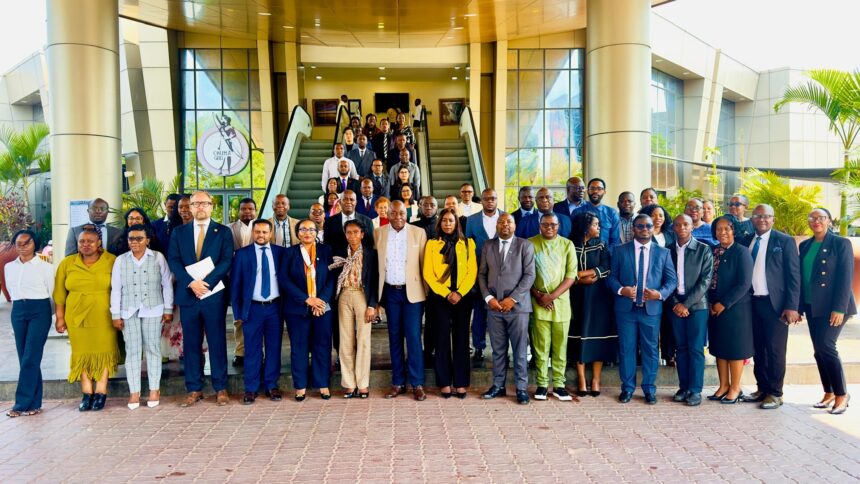
The Southern African Development Community (SADC), in partnership with African Union Development Agency (AUDA-NEPAD), Sweden, and United Nations agencies including UNAIDS, UNICEF, UNFPA, and WHO, has launched a Multisectoral Consultative Forum on the SADC Framework for Sexual and Reproductive Health Rights (SRHR) and Demographic Dividend.
The forum commenced on 1st October 2025 and will run until 3rd October at the Radisson Blu in Lusaka, Zambia. It is convened under the theme: Investing in Social and Human Development for Economic Growth, Wellbeing, Peace and Security in SADC. The event gathers experts from 13 SADC Member States, including specialists in sexual and reproductive health, HIV, population and economic planning, employment, entrepreneurship, and technical and vocational education and training (TVE). Participants are tasked with reviewing existing knowledge, sharing lessons and experiences, and developing a strategic framework for SRHR programming aimed at harnessing the demographic dividend among youth.
Key speakers at the opening included Mrs. Duduzile Simelane, Director of Social and Human Development at the SADC Secretariat, Mr. Seth Broekman, UNFPA Country Representative for Zambia, Dr. Hagos Debeb, AUDA-NEPAD Programme Management Unit Coordinator, and Mrs. Soazafintabany Suzanna Raymonde, Representative of Madagascar and Chair of SADC. They highlighted the urgent need to invest in young people through knowledge transfer, practical skills development, and expanded access to opportunities that enable them to realize their potential.
The forum’s discussions and recommendations will feed into a technical multisectoral meeting of SRH, HIV, and Monitoring and Evaluation Managers scheduled from 6th to 10th October 2025 at the same venue. The meeting will review, refine, and validate the proposed framework ahead of its submission for approval at the Joint Meeting of SADC Ministries of Health and HIV in November 2025.
This initiative reinforces SADC’s commitment to leveraging the demographic dividend by integrating health, education, and economic strategies to support youth empowerment, social development, and regional economic growth.