



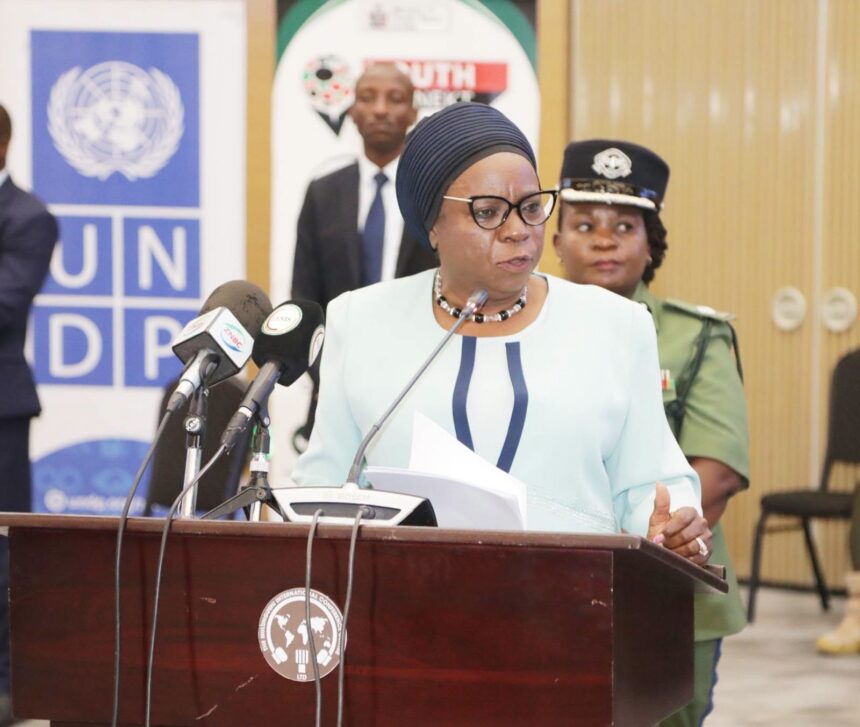
Zambia’s assumption of the Vice-Chairpersonship of the Common Market for Eastern and Southern Africa (COMESA) Authority of Heads of State and Government presents an opportunity to strengthen regional trade, expand export markets and support national economic development. Vice-President Mutale Nalumango highlighted the importance of this leadership role during Question Time in Parliament, emphasising how regional cooperation can contribute to Zambia’s economic priorities. President Hakainde Hichilema assumed the Vice-Chairpersonship during the 25th COMESA Heads of State and Government Summit held in Harare, Zimbabwe. The development comes as Zambia continues to promote production, trade and exports through the Presidential Grow Zambia Agenda. According to the Vice-President, stronger economic links among COMESA member states can create opportunities for local businesses, support producers and help increase the contribution of trade to national growth.
Vice-President Nalumango explained that COMESA plays an important role in facilitating trade among its member states and strengthening economic cooperation across the region. By providing a framework for countries to work together on trade and investment, the regional bloc helps businesses access markets beyond their national borders. Increased trade can allow producers to reach more customers, expand their operations and identify new opportunities for commercial partnerships. Regional cooperation can also encourage countries to address barriers that make cross-border trade expensive or difficult. These efforts are important for businesses seeking predictable trading conditions and improved access to regional markets. Zambia’s participation in COMESA leadership discussions therefore offers an opportunity to promote practical measures that support trade and economic development.
The Vice-President also highlighted the relationship between COMESA and the African Continental Free Trade Area (AfCFTA). While COMESA promotes economic integration among its member states, the AfCFTA aims to expand trade across the African continent by reducing barriers to the movement of goods and services. These initiatives provide complementary frameworks for strengthening African markets and encouraging businesses to trade across borders. For Zambia, participation in both arrangements can help create opportunities for producers seeking customers in neighbouring countries and other African markets. However, businesses need more than trade agreements to benefit fully from these opportunities. Efficient transport systems, reliable energy supplies, clear customs procedures and compliance with product standards remain important for increasing regional and continental trade.
Nalumango emphasised that COMESA has particular significance for Zambia’s development agenda, especially the Grow Zambia Agenda, which prioritises production, trade and exports as drivers of economic growth. The approach places importance on strengthening the ability of Zambian businesses and producers to supply goods and services to domestic and international markets. Expanding production can help businesses respond to rising demand while creating opportunities for employment and investment. Increased exports can also open additional sources of revenue for companies and support economic activity across different sectors. For these benefits to reach more citizens, businesses need access to finance, appropriate technology, skills and reliable infrastructure. Stronger regional trade can complement these efforts by giving local producers access to a wider customer base.
COMESA provides access to a regional market of more than 680 million people, according to the figures highlighted by the Vice-President. This large potential market offers opportunities for Zambian businesses to expand sales and build relationships with buyers across the region. Agricultural producers, manufacturers and service providers may benefit from identifying demand in other member states and adjusting their products to meet market requirements. Small and medium-sized enterprises could also explore regional supply chains and partnerships that support business growth. However, access to a large market does not guarantee higher sales or profits. Companies must still compete on price, quality, reliability and delivery, while meeting the regulations that apply in their target markets.
The Vice-President noted that greater participation in regional trade could enable Zambian businesses and producers to access new markets and increase production. When companies gain access to a larger customer base, they may have stronger incentives to invest in equipment, improve productivity and increase their output. Higher production can support jobs in manufacturing, agriculture, transport, storage and other related activities. Businesses that expand their operations may also create opportunities for suppliers and service providers within Zambia. These outcomes depend on market demand, production costs and the ability of firms to compete effectively. Strengthening trade links can nevertheless give local enterprises more options for growth and support the broader objective of economic diversification.
Infrastructure development was another important issue raised during Nalumango’s parliamentary address. She referred to the allocation of 14 hectares of land to COMESA for the construction of its new headquarters in Lusaka, highlighting the role infrastructure can play in strengthening regional integration. The allocation represents a step towards providing a site for the planned headquarters, while the project’s eventual contribution will depend on its implementation and associated development activities. Establishing the headquarters in Lusaka could strengthen the city’s role in regional institutional cooperation and create opportunities for businesses that support official meetings and other activities. More broadly, effective infrastructure helps connect markets, facilitate the movement of goods and support economic links between countries. The headquarters project therefore formed part of a wider discussion about Zambia’s participation in regional cooperation and the practical requirements of economic integration.
Nalumango also stressed the importance of trade facilitation facilities and energy interconnectivity in supporting regional development. Trade facilitation measures can help simplify border procedures, improve customs operations and reduce delays for businesses moving goods across countries. When border processes become more predictable, traders can manage transport schedules and costs more effectively. Energy interconnectivity can support regional electricity cooperation and help improve the conditions needed for industrial and commercial activity. Reliable energy supplies are particularly important for manufacturers and other businesses that depend on consistent power to maintain production. Improvements in transport, border infrastructure and regional energy connections can therefore support cross-border trade and strengthen economic links among COMESA member states.
The connection between infrastructure and trade is especially relevant for land-linked countries such as Zambia, where access to regional and international markets depends heavily on transport corridors and cross-border systems. Delays, high freight costs and unreliable logistics can make locally produced goods less competitive in neighbouring markets. Better roads, efficient border facilities and stronger regional coordination can help reduce some of these obstacles. Improved energy connections can also support businesses seeking to expand production and process more raw materials locally. These developments require investment, coordination among governments and effective management of infrastructure projects. By highlighting infrastructure as part of regional integration, the Vice-President drew attention to the practical conditions needed to turn trade opportunities into economic activity.
Zambia’s COMESA Vice-Chairpersonship also provides a platform for the country to contribute to discussions on the challenges facing regional trade. These may include differences in trade procedures, infrastructure gaps, market access barriers and the need for stronger cooperation between public institutions. Progress depends on member states working together to implement agreed measures and ensure that businesses can use the opportunities created by regional arrangements. Zambia can support this process by promoting policies that encourage production, improve trade facilitation and strengthen links between local enterprises and regional markets. The country’s participation in regional leadership structures can also help keep its economic priorities connected to wider African integration efforts. The impact of this role will ultimately depend on the commitments pursued and the results achieved through cooperation.
The Grow Zambia Agenda remains central to the government’s stated focus on increasing production, expanding trade and growing exports. COMESA can support these priorities by connecting Zambian businesses with a wider regional market and encouraging stronger economic partnerships. For farmers, manufacturers and entrepreneurs, the key opportunity lies in turning market access into reliable sales and sustainable business growth. This requires investment in productive capacity, improved product quality, efficient logistics and a clear understanding of customer needs. Government institutions and the private sector also need to work together to address practical barriers that limit business expansion. Greater regional cooperation can support the agenda, but lasting progress will depend on how effectively Zambia converts these opportunities into increased production, employment and export earnings.
Vice-President Mutale Nalumango’s remarks in Parliament highlighted the strategic importance of Zambia’s new role within COMESA and the opportunities that regional integration may offer the country. President Hakainde Hichilema’s assumption of the Vice-Chairpersonship at the 25th COMESA Heads of State and Government Summit places Zambia within the bloc’s leadership structure at a time when trade and economic cooperation remain important regional priorities. The discussions covered market access, the Grow Zambia Agenda, infrastructure development and the relationship between COMESA and the AfCFTA. Together, these issues underline the importance of connecting national development plans with wider regional economic opportunities. Zambia’s ability to benefit will depend on stronger production, competitive businesses, efficient infrastructure and continued cooperation with other member states. By focusing on these priorities, the country can work towards expanding trade, increasing exports and creating more opportunities for businesses and citizens.