







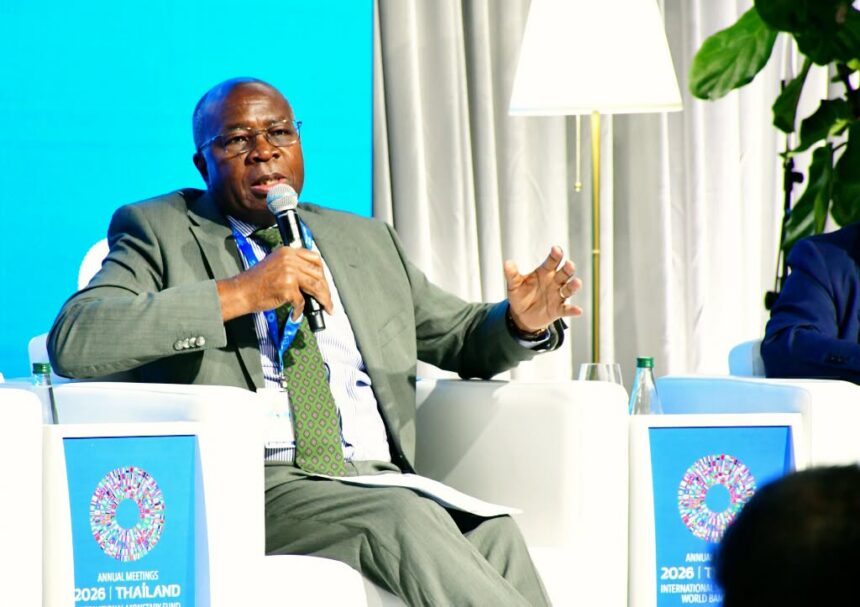
Zambia is targeting the creation of 250,000 direct and indirect jobs by 2031 through a new minerals partnership with the World Bank Group aimed at turning the country’s mineral wealth into lasting economic opportunities for its citizens. The initiative seeks to expand employment, strengthen local industries, increase household incomes and ensure that more benefits from mining reach communities across the country. The ambitious target includes 100,000 direct mining jobs and 150,000 indirect jobs linked to supporting industries and related economic activities. The plans form part of Zambia’s Metals and Minerals Compact, a ten-year framework covering 2026 to 2036 that aims to attract private investment, increase mineral production and promote domestic mineral processing. Announced during the 2026 International Monetary Fund and World Bank Group Annual Meetings in Bangkok, Thailand, the initiative reflects the government’s broader ambition to use the country’s natural resources to accelerate industrialisation and improve living standards.
Finance and National Planning Minister Dr. Situmbeko Musokotwane, MP, said growing global demand for critical minerals presents Zambia with a significant opportunity to expand its mining sector and strengthen the wider economy. Zambia possesses substantial copper resources, making the metal central to its plans for industrial development and export growth. Speaking at the launch of the Compact at the Queen Sikiriti National Conventional Center, Musokotwane highlighted the importance of positioning the country to meet international demand while ensuring that citizens benefit from the resulting economic activity. He noted that the global need for critical minerals creates an opportunity for Zambia to attract investment and develop industries that extend beyond extracting raw materials. The government’s challenge is to convert this growing demand into sustainable employment, stronger businesses and improved economic conditions for Zambian households.
A central part of the strategy is the government’s target to increase annual copper production from just under one million metric tons to three million metric tons by 2031. Achieving this goal would require significant investment in mining operations, reliable electricity supplies, transport networks and supporting infrastructure. The government is pursuing reforms designed to improve the business environment and encourage private companies to invest in expanding production. Musokotwane said Zambia had attracted approximately US$12 billion in copper mining investment since 2022, which he presented as evidence that the reforms were helping to attract private capital. He stressed that the strategy relies on private investment rather than government funding to drive the expansion of the sector. However, reaching the production target will depend on continued investment, effective project implementation, adequate infrastructure and the ability of mining companies to overcome operational challenges.
The projected 250,000 jobs represent one of the most important social and economic objectives of the Metals and Minerals Compact. The target is divided into 100,000 direct mining jobs and 150,000 indirect jobs, reflecting the government’s intention to spread the benefits of mining across a broader range of industries. Direct employment may include opportunities in mine operations, engineering, equipment maintenance, geology, safety management and other specialised roles. Indirect employment is expected to emerge through businesses that supply goods and services to mining companies, including transport operators, equipment providers, manufacturers, construction firms and other service businesses. The distinction matters because a growing mining sector can support economic activity well beyond the mines themselves. The scale of the employment target will ultimately depend on how effectively investment translates into actual projects, business growth and accessible opportunities for Zambian workers.
A major objective of the Compact is to expand mineral value addition and domestic manufacturing. Rather than relying mainly on the export of copper and other raw minerals, Zambia wants to develop industries that process these resources into products with greater commercial value. Potential areas include electrical cables, copper wires, transformers and other finished or semi-finished products used in construction, energy systems and industrial applications. Developing these industries could create additional demand for local manufacturers, suppliers, contractors and skilled workers. It could also strengthen domestic supply chains and help Zambian companies participate more actively in regional and international markets. Musokotwane encouraged investors not to view value addition as a threat, describing it as a mutually beneficial opportunity for businesses and the country.
The push for local manufacturing could have significant implications for small and medium-sized enterprises. Mining companies require a wide range of goods and services, creating opportunities for local firms that can meet industry standards on quality, cost, safety and delivery. With the right investment and business support, Zambian manufacturers could supply electrical components, industrial materials, protective equipment, maintenance services and other essential products. Increased participation by domestic businesses would help retain more economic activity within the country and potentially create jobs outside major mining operations. However, local companies will need access to finance, modern technology, skilled employees and reliable infrastructure to compete effectively with established international suppliers. The success of this part of the Compact will therefore depend on whether Zambian businesses can secure contracts and build the capacity needed to serve a growing mining industry.
Reliable electricity is another important requirement for Zambia’s mining and industrial ambitions. Mining operations use substantial amounts of power, while mineral processing and manufacturing can require even greater and more consistent electricity supplies. If Zambia is to increase copper production and develop industries that manufacture copper-based products, energy infrastructure must keep pace with rising demand. Reliable power can also help local businesses control production costs, improve efficiency and deliver orders on schedule. The Compact therefore places energy alongside transport, workforce training and responsible mining as key priorities for economic transformation. Progress in these areas will be essential to ensure that increased mineral production supports broader industrial development rather than placing additional pressure on existing infrastructure.
Transport infrastructure also features prominently in the partnership, particularly through the Lobito Railway Corridor. Improved rail connectivity can help move minerals and industrial goods more efficiently, potentially reducing transport costs and strengthening access to regional and international markets. For a land-linked country such as Zambia, dependable transport routes are important for exporting products and importing machinery, industrial equipment and other essential supplies. Better connections could also make it easier for manufacturers to source materials and distribute finished goods. The Compact identifies transport development as part of a wider effort to improve trade, encourage investment and support industrial growth. The economic benefits will depend on effective infrastructure development, efficient border processes and the ability of businesses to make practical use of improved transport links.
Developing a skilled workforce is equally important to the employment target. New mining projects and mineral processing facilities require workers with technical knowledge, practical experience and appropriate safety training. The Compact places emphasis on training that responds to the needs of employers and helps workers qualify for available positions. One supporting initiative is the Skills Training for Results and Industry-Valued Employment, known as STRIVE, which is intended to support skills development linked to employment opportunities. Better alignment between training institutions and industry could help reduce the gap between the qualifications workers hold and the skills employers require. For the planned 250,000 jobs to benefit Zambians, workforce development will need to reach people who can realistically access these opportunities, including young people and workers seeking new technical skills.
The Transport Corridors for Economic Resilience, or TRACER, project is another World Bank Group initiative associated with the broader development agenda. Its focus on transport connectivity and economic resilience complements the Compact’s emphasis on infrastructure and industrial growth. Better transport systems can support mining operations while also benefiting agriculture, manufacturing, trade and other sectors that depend on the movement of goods. This wider economic effect is important because Zambia’s development ambitions extend beyond copper production alone. Infrastructure investments that serve multiple industries can create opportunities for businesses and workers in different parts of the country. Coordinating transport development with energy investment, skills training and industrial policy will therefore be important to achieving lasting economic benefits.
The Multilateral Investment Guarantee Agency, known as MIGA, is also considering ways to support investment in the minerals sector. At the Compact launch, MIGA Managing Director Tsutomu Yamamoto said the agency, in collaboration with Japan, was considering establishing a dedicated trust fund to reduce risks associated with private mining investment and mobilise additional capital. Investment risk can affect the willingness of companies and financial institutions to commit funds to large projects, particularly when those projects require substantial upfront spending and long development periods. Measures that help manage these risks could make additional financing available for mining, infrastructure and related industrial activities. Yamamoto emphasised that attracting investment should not be treated as the final objective, stating that development is the real goal. His remarks highlighted the importance of ensuring that investment produces local employment, skills development, better infrastructure and greater value addition.
Zambia’s Compact forms part of a broader international initiative involving eight countries: Argentina, Bolivia, Egypt, India, Kazakhstan, Malawi, Mauritania and Zambia. Six countries have developed Country Compacts, while Argentina and India are participating through Partnerships. The initiative reflects growing international interest in strengthening mineral supply chains and increasing the economic benefits that resource-rich countries receive from their natural assets. Demand for critical minerals has become increasingly important because these materials support electricity networks, manufacturing, transport technologies and other industrial applications. For Zambia, the international partnership offers an opportunity to attract capital and technical support while pursuing its own development priorities. The challenge will be to ensure that global interest in minerals leads to practical gains for local businesses, workers and communities.
The World Bank Group has separately announced plans to increase its global support for the metals and minerals sector fivefold, reaching US$19 billion between fiscal years 2026 and 2030. This broader commitment provides context for Zambia’s efforts to attract investment and expand the economic contribution of its mining industry. However, the amount allocated to the global sector should not be interpreted as funding committed exclusively to Zambia. The country’s ability to secure investment and support will depend on individual projects, financing arrangements and the implementation of its development plans. Zambia will need to demonstrate that mining expansion can operate alongside strong governance, responsible environmental management and a clear strategy for creating local economic value. Effective cooperation between the government, international partners and private companies will be important to translating the broader initiative into measurable results.
Environmental protection and mine safety remain essential elements of the Compact. Expanding mineral production can create jobs and increase public revenue, but mining activities must also manage risks to workers, communities, water resources and surrounding ecosystems. Responsible mining practices can help reduce environmental damage while improving operational standards and public confidence in the industry. Stronger revenue administration is another priority because the government needs effective systems to collect the taxes, royalties and other revenues due from mineral activities. Better management of these revenues can strengthen public finances and support investment in services and infrastructure, although the results will depend on how funds are collected and spent. Aligning mineral development with environmental protection, workplace safety and transparent revenue management will be important to ensuring that economic gains endure beyond individual mining projects.
The Metals and Minerals Compact is aligned with the government’s Grow Zambia Agenda, which seeks to turn economic activity into wider improvements in livelihoods and national prosperity. Its success will depend on more than increasing copper output or attracting large investment commitments. Zambia will also need to expand opportunities for local enterprises, improve access to technical training, strengthen infrastructure and ensure that public revenue supports national development priorities. The government will face the task of tracking whether announced investments lead to operating projects, whether projected jobs materialise and whether local businesses gain a meaningful share of supply contracts. Clear implementation plans and reliable monitoring will help distinguish between long-term targets and results already achieved. For citizens, the most important measure of success will be whether the initiative produces real employment, stronger household incomes and improved access to economic opportunities.
Zambia’s plan to create 250,000 direct and indirect jobs by 2031 represents an ambitious effort to connect mineral wealth with broader economic development. Through the ten-year World Bank Group Metals and Minerals Compact, the country aims to increase copper production, attract private investment, strengthen domestic manufacturing and improve the infrastructure needed to support industrial growth. The targets of 100,000 direct mining jobs and 150,000 indirect jobs highlight the government’s intention to spread the benefits of mining beyond extraction sites and into the wider economy. Achieving these goals will require consistent implementation, reliable electricity, effective transport systems, relevant workforce training and responsible management of natural resources. If the planned investments translate into productive businesses and sustainable employment, Zambia could make significant progress towards ensuring that its mineral wealth delivers lasting benefits for its citizens.