






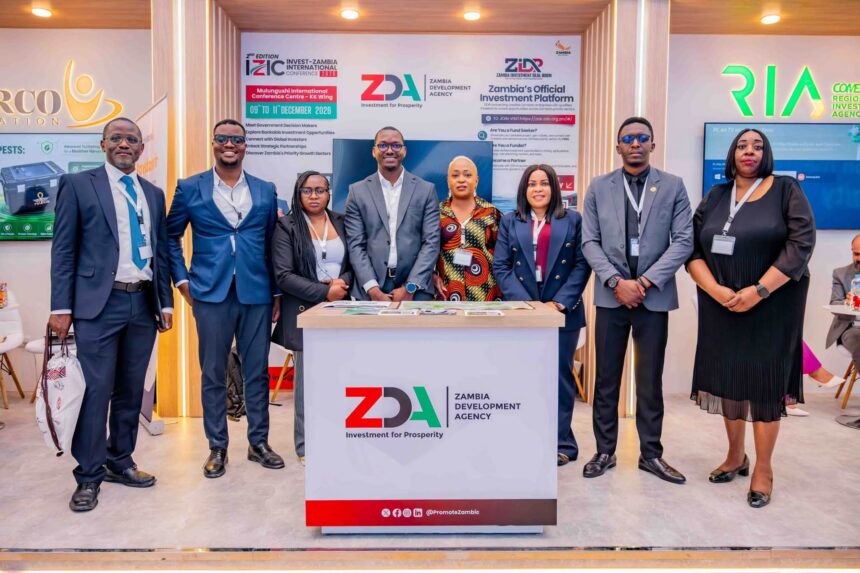
Zambia participated in the inaugural Alamein Africa Business Forum 2026 in New Alamein, Egypt, from 2 to 4 October 2026, reaffirming its commitment to expanding intra-African trade, investment, industrialisation and economic integration. The forum brought together African governments, development finance institutions, investors and private-sector leaders to explore practical partnerships that can support Africa’s economic transformation. Zambia used the platform to present investment opportunities across several priority sectors while strengthening commercial and economic ties with Egypt and other African markets. The country’s participation reflected a broad-based approach involving government institutions, quasi-government bodies, investment promotion agencies and private-sector representatives. The engagement also supported Zambia’s wider “Grow Zambia” Agenda, which places production, investment, value addition and job creation at the centre of economic development.
Held under the auspices of Egyptian President Abdel Fattah El-Sisi, the Alamein Africa Business Forum created a platform for governments and businesses to discuss opportunities that can translate into concrete economic activity. The participation of development finance institutions and investors added an important financial dimension to discussions around infrastructure, industry and productive capacity. For Zambia, the forum offered an opportunity to engage directly with potential investors and business partners while presenting areas where capital and technical expertise could support national development priorities. The country’s delegation promoted opportunities in agriculture and agro-processing, mining and critical minerals, manufacturing, energy, infrastructure, technology and tourism. These sectors are central to efforts to expand Zambia’s productive base and create more opportunities for citizens.
Zambia’s whole-of-economy participation was significant because investment opportunities often require cooperation between government, public institutions and private companies. Government agencies can support policy implementation and investment facilitation, while businesses can bring capital, technology, expertise and access to markets. Investment-promoting agencies can also help connect potential investors with projects and relevant institutions. Bringing these groups together allowed Zambia to present a more comprehensive picture of its economic opportunities. It also created room for discussions focused not only on attracting investment but on developing partnerships that can contribute to production, exports, employment and long-term economic growth.
Agriculture and agro-processing were among the areas aligned with Zambia’s economic priorities at the forum. Zambia has opportunities to move beyond the production and export of unprocessed agricultural commodities by developing stronger processing capacity within the country. Increased agro-processing can create additional economic activity around farming, manufacturing, logistics, packaging and distribution. It can also support greater participation by local businesses in agricultural value chains. Strengthening these links is consistent with the broader objective of increasing domestic production and ensuring that more economic value is generated before products reach regional and international markets.
Mining and critical minerals also remain important areas for investment and industrial development in Zambia. The country’s approach at the forum focused on the wider potential of its mineral resources within an economy that seeks greater value addition and industrialisation. Moving from the export of raw materials toward local processing and manufacturing can create stronger connections between the mining sector and other parts of the economy. Such development can support skills, employment, infrastructure and business opportunities when supported by appropriate investment and productive partnerships. The discussions at the forum therefore reflected a broader African priority of using natural resources to support sustainable industrial development rather than relying primarily on the export of unprocessed commodities.
Tourism featured prominently in Zambia’s economic diversification and investment agenda. Zambia has wildlife, natural landscapes, cultural heritage and adventure tourism offerings that provide opportunities for investment across the tourism value chain. Investment can support tourism infrastructure, hotels and other hospitality services, destination marketing, air connectivity and related businesses. Stronger tourism activity can contribute to foreign exchange earnings and employment while creating opportunities for local communities and businesses to participate in the sector. Zambia’s engagement at the Alamein Africa Business Forum also provided an opportunity to promote the country as a destination for Egyptian and international tourists and as a potential location for tourism investment.
The tourism discussions also have relevance to Zambia–Egypt relations because stronger commercial links can support greater movement of tourists and business travellers between the two countries. Egypt is an important market and economic partner for Zambia, while Zambia offers tourism experiences that can complement established travel interests in Africa. Improved connectivity, effective destination promotion and stronger private-sector relationships can help expand these links over time. Tourism investment can also extend beyond accommodation by creating opportunities in transport, food services, entertainment, cultural products and other supporting activities. Developing these connections can help broaden Zambia’s economic relationship with Egypt beyond traditional areas of cooperation.
A major theme of the forum was the need for Africa to increase value addition, local processing, manufacturing and participation in regional value chains. African economies have significant natural and agricultural resources, but greater economic benefits can come from developing industries that process these resources locally. Stronger value chains can increase demand for local suppliers and create opportunities for small and large businesses to work together. They can also support industrial skills and employment while improving the ability of African countries to compete in regional and international markets. These objectives closely align with Zambia’s efforts to expand productive capacity and generate greater economic opportunities for its citizens.
The African Continental Free Trade Area, or AfCFTA, and regional economic communities such as COMESA also featured in the broader economic integration agenda discussed at the forum. Expanding access to African markets can give businesses greater opportunities to increase production and develop regional supply chains. Zambia’s position in Southern Africa provides a strategic base for investors interested in serving markets beyond the domestic economy. Regional integration can also encourage businesses to source inputs, process products and distribute goods across several African markets. For Zambia, deeper participation in regional trade can therefore support both investment attraction and the development of industries capable of serving a larger customer base.
Zambia also views Egypt as a strategic economic partner and an important gateway for strengthening commercial and tourism connections between Southern and North Africa. The Alamein Africa Business Forum provided an opportunity to bring Zambian institutions and businesses into direct engagement with Egyptian and international investors, financial institutions and private-sector leaders. These relationships can create opportunities for investment partnerships, trade promotion and the development of projects with regional relevance. Stronger Zambia–Egypt economic relations can also contribute to wider African economic integration by connecting businesses and markets across different regions of the continent. Continued engagement will be important if the relationships established at the forum are to produce measurable economic outcomes.
The Embassy of the Republic of Zambia in Cairo is expected to continue facilitating these engagements through economic diplomacy. The focus will be on turning opportunities identified at the forum into practical outcomes such as business partnerships, investment missions, trade opportunities, tourism initiatives, project development and value-chain investments. This approach is important because successful investment promotion depends on sustained engagement after a business forum ends. Potential investors need clear information, suitable partners and opportunities that can progress from initial discussions to detailed project development. Continued diplomatic and institutional support can help maintain momentum and connect interested businesses with the relevant Zambian stakeholders.
Zambia’s participation in the inaugural Alamein Africa Business Forum demonstrates its intention to connect economic ambitions with practical implementation. The country used the event to promote investment, production, trade, tourism, value addition and job creation as interconnected elements of its development strategy. Its broad participation also showed the importance of cooperation between government institutions, investment agencies and the private sector in pursuing economic opportunities. The forum created space for Zambia to strengthen its relationship with Egypt while engaging a wider group of African and international investors. The real measure of success will ultimately depend on whether discussions lead to new partnerships, investment projects, expanded trade and productive activity.
The Alamein Africa Business Forum 2026 has provided Zambia with an important platform to advance its “Grow Zambia” Agenda and promote the country as a destination for investment, trade, tourism and productive partnerships. Its focus on agriculture, mining, manufacturing, energy, infrastructure, technology and tourism reflects Zambia’s ambition to broaden its economic base and increase domestic value creation. Stronger regional value chains and implementation of opportunities under AfCFTA and COMESA can further expand the markets available to Zambian businesses and investors. Deepening economic relations with Egypt can strengthen links between Southern and North Africa while creating new possibilities for trade and tourism. Zambia’s next challenge is to convert the connections and opportunities generated in New Alamein into concrete projects that support investment, industrialisation, employment and sustainable economic growth.