



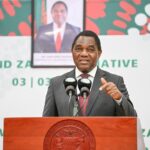
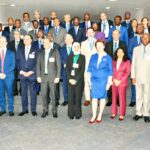


The Government of Zambia has signed a US$2 billion agreement to develop a Medical City in Lusaka, a major proposed investment that aims to strengthen specialised healthcare and position Zambia as a health tourism centre in southern Africa. The agreement was signed by Minister of Health Professor Roma Chilengi on behalf of the Government of Zambia and Eng. Khaled Al Attar on behalf of DIHAD Sustainable Project Management L.L.C. The signing took place during the UAE-Zambia Business Forum and was officiated by President Hakainde Hichilema. The proposed Medical City is expected to bring together specialised hospitals, medical training, research and a wider health tourism ecosystem in one development. If implemented as outlined, the project could change how patients in Zambia and neighbouring countries access complex medical services.
For many years, Zambians requiring complex medical treatment have travelled outside the country to access specialised services. Such medical travel can place a significant financial burden on patients, families and public institutions, particularly when treatment requires extended stays abroad. The proposed Medical City is intended to address part of this challenge by expanding access to specialised healthcare services within Zambia. Its broader objective is also to attract patients from other countries in the region who currently travel elsewhere for treatment. This approach would connect healthcare investment with medical tourism and could create a new area of economic activity for Lusaka.
The Medical City is planned for Lusaka’s Airport City, an area positioned to support an integrated development involving healthcare, hospitality, business and other services. Its location is also relevant to the project’s health tourism ambitions because international and regional patients need convenient access to medical facilities, accommodation and supporting services. The development is expected to combine medical treatment with facilities designed for patients, families, professionals and visitors. This means the project is not planned as a hospital alone. Instead, it is envisioned as a larger medical and commercial district with healthcare at its centre.
A major component of the proposed development will be a National Paediatric Cardiac Centre. The centre is intended to provide specialised cardiac care for children and could reduce the need for some patients to seek treatment outside Zambia. Paediatric cardiac services require specialised infrastructure, equipment and highly trained medical professionals. Developing this capacity in Zambia would therefore involve both healthcare infrastructure and investment in specialist skills. The proposed centre is part of a wider plan to strengthen the country’s ability to provide complex medical treatment locally.
The Medical City will also include a National Renal Transplant and Kidney Disease Centre. Kidney disease can require long-term management and, in some cases, advanced treatment such as transplantation. Establishing a dedicated national centre would create infrastructure focused specifically on renal care and related services. The development is also expected to strengthen the country’s capacity in areas connected to kidney disease diagnosis, treatment and specialist care. These services form part of the project’s stated goal of expanding access to specialised healthcare in Zambia.
Cancer care is another major area included in the plans. The Medical City is expected to build on Zambia’s existing radiotherapy services by expanding oncology, cancer diagnostics and research. Cancer treatment often requires several forms of specialist care, including accurate diagnosis, radiotherapy, medical treatment and follow-up services. Bringing more of these capabilities together could support a more comprehensive approach to cancer care. The inclusion of research also points to an objective that extends beyond treatment, with the proposed development expected to contribute to medical knowledge and specialist training.
The planned Medical City will also offer robotic surgery, neurosurgery and orthopaedic services. These fields require specialised equipment, clinical expertise and supporting infrastructure. Robotic surgery, for example, depends on appropriate technology and trained medical teams, while neurosurgery requires highly specialised facilities and professionals. The inclusion of these services reflects the project’s focus on advanced and complex medical care. The development is also expected to include maternal and child health services and rehabilitation, creating a broader range of healthcare services within the planned facility.
Education and specialist training form another important part of the proposed project. The Medical City is expected to include a university and school alongside the hospital, creating a platform for training the next generation of Zambian healthcare specialists. Expanding specialist healthcare requires more than buildings and medical equipment because skilled professionals are essential to operating advanced facilities. Training institutions located within or alongside a major medical complex can help connect education with clinical practice. The planned training hub could therefore become an important component of the project’s long-term healthcare objectives.
The wider development is expected to include a convention centre, auditorium and outdoor theatre. Three-star, four-star and five-star hotels, hotel apartments, offices and shops are also planned around the hospital and training facilities. Wellness and sports facilities, parks and residential homes are included in the broader vision for the site. These supporting developments are intended to serve patients, families, healthcare professionals, students, conference participants, visitors and other users. They also form a key part of the Medical City’s proposed health tourism and economic development model.
The connection between healthcare and tourism is central to the project. Zambia’s tourism sector has traditionally relied heavily on attractions such as wildlife, landscapes and cultural experiences, while the proposed Medical City would introduce another potential source of international visitors. Patients travelling to Zambia for medical treatment may also require accommodation and services for family members or other companions. Hotels, restaurants, transport providers, retail businesses and other local enterprises could benefit from this additional demand if the health tourism market develops as planned. The project therefore links medical investment with the country’s broader tourism ambitions.
The Medical City is also presented as supporting the Grow Zambia Agenda and its target of five million tourist arrivals annually. Health tourists and their families could contribute to tourism activity by staying in local accommodation and spending money on services during their visits. This could create opportunities for businesses beyond the medical sector, particularly in hospitality, transport, retail and other tourism-related services. The development is also expected to attract foreign investment and create employment opportunities. Construction, healthcare, hospitality and related industries could all be involved as the project progresses.
Employment opportunities could emerge at different stages of the development. Construction of hospitals, educational facilities, hotels, offices and other infrastructure would require workers across a range of trades and professional fields. Once operational, the Medical City would require doctors, nurses, technicians, researchers, administrators, educators and other healthcare professionals. Hotels, shops, restaurants, wellness facilities and other businesses would create additional demand for workers. The scale and timing of these opportunities will depend on how the project is implemented, financed and developed.
Under the agreement, DIHAD will work with a multi-sectoral Government team on the planning, design and management of the Medical City. The two sides will also identify and select partners and investors who will participate in bringing the project forward. This structure places emphasis on planning and coordination before the full development is completed. A project of this scale requires participation from different areas of government and the private sector. Its implementation will therefore involve multiple stages rather than the construction of a single facility.
The Government has stated that the Memorandum of Understanding carries no financial commitment for Government. This is an important detail in understanding the nature of the agreement at this stage. The proposed US$2 billion figure represents the stated scale of the planned investment rather than a direct government expenditure commitment under the MoU. The eventual delivery of the Medical City will depend on the planning process and the identification and selection of partners and investors. Further details about implementation, financing and construction will therefore be important as the project progresses.
Before the Medical City opens, DIHAD will assist Zambian patients in accessing treatment in the United Arab Emirates through competitively priced packages. This interim arrangement is intended to provide a pathway for patients who need specialised treatment while the planned facilities in Lusaka are being developed. It also creates a link between the current need for overseas treatment and the longer-term objective of expanding specialised healthcare capacity within Zambia. The arrangement does not replace the proposed Medical City. Instead, it is presented as an interim measure while the larger healthcare project moves through its development stages.
The hospital and training hub are expected to be built first so that Zambians can benefit from the project as early as possible. Prioritising these components would place healthcare and specialist education at the centre of the development rather than treating them as later additions to a larger commercial project. The approach also reflects the stated objective of improving access to specialised medical services within Zambia. As the wider Medical City develops, supporting facilities such as hotels, offices, shops and wellness services could expand around the core medical and educational facilities. The timing and scale of each stage will depend on the project’s implementation process.
The proposed Lusaka Medical City represents a significant plan to expand specialised healthcare, medical education and health tourism in Zambia. Its proposed facilities cover areas ranging from paediatric cardiac care and renal transplantation to oncology, neurosurgery, robotic surgery, orthopaedics, maternal and child health and rehabilitation. The inclusion of a university, school, research facilities and a training hub adds an education and skills development dimension to the project. Its wider commercial and hospitality facilities are designed to support the health tourism component and create additional economic activity. For Zambia, the next important stage will be translating the agreement and plans into detailed development, investment, construction and operational arrangements that can deliver the intended healthcare and economic benefits.