




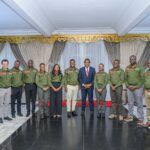


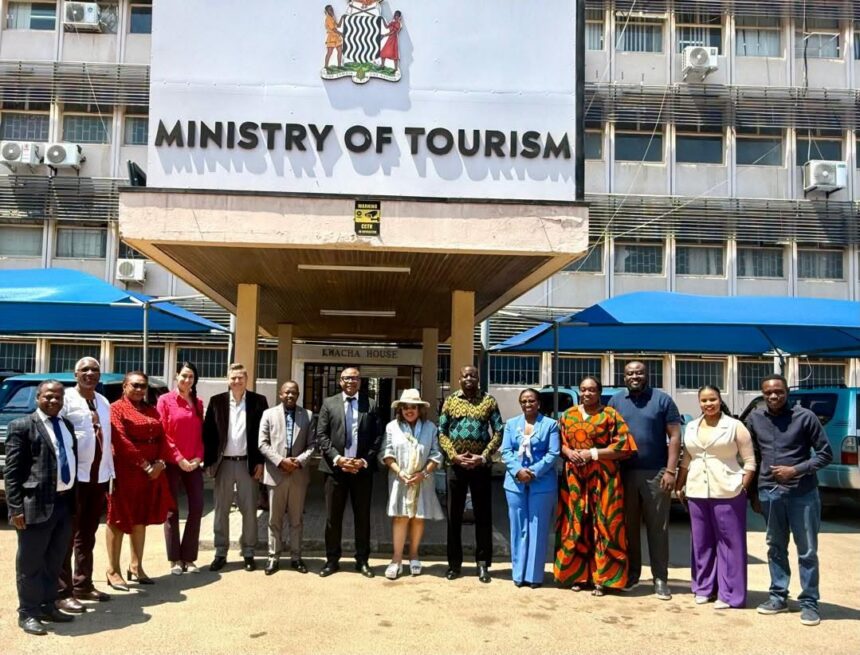
Zambia is exploring new opportunities to strengthen its position as a family-friendly tourism destination through engagement with the Take Your Child to Africa Campaign. The campaign team, led by Ms. Marje Etheridge, paid a courtesy call on Ministry of Tourism Permanent Secretary Evans Muhanga as part of efforts to identify areas of collaboration. The initiative seeks to encourage American families and travellers from around the world to explore Africa with their children while experiencing its cultures, wildlife, heritage and natural attractions. Zambia has been identified as an important destination because of its combination of natural beauty, wildlife, cultural experiences and adventure activities. The engagement provides an opportunity for Zambia to increase its international visibility and present the country as a destination where families can learn, explore and create shared experiences.
Family tourism offers an important opportunity for destinations seeking to attract visitors across different age groups. Travelling with children can create demand for destinations that offer educational experiences, outdoor activities, wildlife encounters and cultural attractions. Zambia has many of these features, giving the country a strong foundation for developing its family tourism offering. The Take Your Child to Africa Campaign aims to encourage families to see Africa as a destination for shared experiences rather than a place visited only by individual travellers or specialist tourists. By participating in such initiatives, Zambia can showcase the range of experiences available to families seeking meaningful international travel.
Zambia’s appeal to family travellers is closely linked to the diversity of its tourism resources. The country is home to Victoria Falls, one of its most recognised natural attractions, as well as national parks and areas known for abundant wildlife. Visitors can also experience Zambia’s cultural heritage and participate in various outdoor and adventure activities. These attractions can provide families with opportunities to combine recreation with learning about nature, history and local communities. A well-developed family tourism strategy can therefore present Zambia as a destination capable of offering different experiences within a single trip.
The campaign’s focus on exposing children to Africa’s diverse cultures, wildlife, heritage and natural wonders also creates an educational dimension to tourism. Travel can allow young people to experience environments and traditions that differ from those they encounter at home. Visiting wildlife areas can provide opportunities to understand conservation and the importance of protecting natural ecosystems. Cultural experiences can introduce children to Zambia’s history, traditions and communities in ways that complement formal education. These experiences can also create lasting family memories while helping younger travellers develop a broader understanding of the world.
For Zambia, international destination promotion remains important as the country seeks to expand its tourism sector. Permanent Secretary Evans Muhanga welcomed the initiative and noted that campaigns of this nature can increase Zambia’s visibility among potential travellers. Greater destination awareness can influence travel decisions, particularly among families who may be unfamiliar with the country or with Africa as a family holiday destination. Effective promotion can also help Zambia compete for visitors in an international tourism market where countries actively market their attractions and experiences. Increasing awareness of Zambia’s tourism products is therefore an important part of the country’s wider tourism development ambitions.
Mr. Muhanga also linked the initiative to Zambia’s target of reaching 5 million international tourist arrivals by 2031. Achieving such an ambitious target will require sustained efforts to promote the country and expand its appeal to different categories of travellers. Family tourism could form one part of this strategy by encouraging visitors to travel with children and potentially stay longer while exploring multiple attractions. Expanding the range of target markets can also reduce reliance on a narrow group of travellers. Campaigns that introduce Zambia to new international audiences can therefore support broader efforts to grow international tourism.
The potential benefits of increased tourism extend beyond hotels and tour operators. International visitors spend money on accommodation, transportation, food, attractions, activities, local products and other services. This creates opportunities for businesses and workers across the tourism value chain. Increased visitor numbers can also generate demand for guides, hospitality workers, drivers, artisans and other service providers. A stronger tourism sector can therefore contribute to local economic activity while creating opportunities for communities connected to major tourism destinations.
Zambia’s wildlife remains one of its major tourism assets and could play an important role in attracting families. National parks offer opportunities for visitors to experience wildlife in natural environments while learning about conservation. For children, such experiences can make environmental education more engaging and practical. Families can also combine wildlife activities with visits to cultural and natural attractions, creating a broader travel experience. The ability to offer different types of activities can help Zambia appeal to families with varied interests and expectations.
Victoria Falls provides another major opportunity for family tourism promotion. The attraction is one of Zambia’s most prominent tourism assets and forms part of the country’s broader natural heritage. Its surrounding tourism environment offers opportunities for visitors to experience nature and adventure. Family travel campaigns can introduce potential visitors to the range of activities and experiences available around major attractions while encouraging them to explore beyond a single destination. This broader approach can help distribute tourism activity across different attractions and regions when supported by appropriate infrastructure and services.
The engagement also highlighted the growing importance of sports tourism in Zambia. National Sports Council of Zambia President Sombwa Musunsa disclosed that Zambia is working with the same group towards hosting the First Ladies Golf Tournament. The proposed event demonstrates how sporting activities can complement traditional tourism promotion. International sporting events can attract participants, officials, spectators and other visitors who spend money on accommodation, transportation, food and other services. They can also provide international exposure for the host destination by placing its tourism attractions and facilities in front of visitors from different countries.
Golf tourism can form part of a broader sports tourism strategy by attracting travellers who combine sporting activities with leisure and sightseeing. A golf event can bring together participants and guests while creating opportunities to promote local attractions, culture and hospitality. If visitors extend their stays beyond the sporting event, the economic benefits can reach other parts of the tourism industry. Zambia’s collaboration around the First Ladies Golf Tournament therefore illustrates how sport can be integrated with destination marketing. It also demonstrates the potential for tourism stakeholders to work with sports organisations to attract international visitors.
The connection between tourism and sport can be particularly valuable because major events create opportunities to promote a destination to audiences that may not otherwise consider visiting. Visitors attending sporting events can experience the country beyond the competition itself. Organisers and tourism authorities can use such events to showcase cultural attractions, wildlife destinations, natural wonders and local products. This approach can encourage visitors to return for future holidays or recommend the destination to others. Sports tourism can therefore complement family tourism and other tourism segments as Zambia works to expand its international visitor base.
The participation of the Zambia Tourism Agency Acting Chief Executive Officer and other directors in the meeting indicates the importance of coordination among tourism stakeholders. Promoting Zambia as a family-friendly destination requires cooperation between government institutions, tourism agencies, private sector operators and international partners. Different stakeholders contribute different expertise, including destination marketing, tourism product development, hospitality, transportation and event management. Coordinated promotion can help ensure that Zambia presents a consistent message to international audiences. It can also make it easier to develop packages and experiences that meet the needs of families and other visitor groups.
Family-friendly tourism also requires attention to the quality and accessibility of the visitor experience. Families often consider factors such as accommodation, transportation, safety, activities and convenience when choosing a destination. Tourism operators can respond by developing experiences that cater to different age groups and interests. Clear information about attractions and travel arrangements can also help families plan their trips with greater confidence. As Zambia seeks to grow this segment, understanding the needs of family travellers will be important for turning international interest into actual visits.
The Take Your Child to Africa Campaign provides Zambia with an opportunity to reach audiences interested in meaningful travel experiences. Its focus on families can help present Africa through experiences involving nature, culture, heritage and adventure. Zambia can use this platform to highlight the diversity of its tourism offering while encouraging visitors to explore the country beyond its best-known attractions. The campaign also creates an opportunity to connect tourism promotion with educational and cultural experiences for children. Such an approach can strengthen Zambia’s appeal among families seeking travel that combines recreation with discovery.
The discussions between the campaign team and Zambia’s tourism authorities reflect a broader effort to expand the country’s tourism opportunities and international visibility. Zambia has significant natural, cultural and sporting assets that can support different forms of tourism. Family tourism can introduce the country to new audiences, while sports tourism can attract visitors through international events and competitions. Combining these approaches can help create a more diverse tourism industry that appeals to different types of international travellers. The potential benefits include increased visitor spending, stronger tourism businesses, greater destination visibility and new economic opportunities.
Zambia’s ambition to reach 5 million international tourist arrivals by 2031 will require sustained destination marketing, investment and collaboration. No single campaign or tourism product will achieve that target on its own. Continued development of family tourism, wildlife tourism, cultural tourism, adventure tourism and sports tourism can broaden the country’s appeal. Partnerships with international organisations and promotional groups can help Zambia reach audiences that may not yet be familiar with its tourism opportunities. The engagement with the Take Your Child to Africa Campaign represents one such opportunity to position Zambia more strongly in the international tourism market.
The meeting between the Take Your Child to Africa Campaign team and Zambia’s tourism authorities highlights the potential of partnerships to expand the country’s tourism sector. Zambia has a strong combination of wildlife, Victoria Falls, cultural heritage, national parks and adventure experiences that can appeal to families seeking meaningful travel experiences. The potential First Ladies Golf Tournament further shows how sport can be used alongside tourism and culture to attract international visitors and create economic opportunities. By strengthening destination promotion and developing partnerships across tourism and sport, Zambia can continue building a more diverse and competitive tourism industry. As the country works toward its 2031 international tourist arrival target, initiatives that introduce Zambia to new audiences can play an important role in turning its tourism potential into sustained visitor growth and wider economic benefits.