





Zambia is inviting Italian investors to explore opportunities in its forestry sector, carbon markets and sustainable forest-based industries as the Government seeks to attract investment, create jobs and promote green economic growth. Minister of Green Economy and Environment Dr Gilbert Siame said the country was open to partnerships that support environmental protection while creating economic opportunities for local communities. The invitation highlights Zambia’s efforts to balance natural resource conservation with sustainable business development. It also reflects growing interest in green investment, climate finance and forest-based value chains that can generate income while protecting the environment. Through stronger cooperation with Italy, Zambia hopes to expand investment in sustainable forestry, improve livelihoods and strengthen its contribution to the green economy.
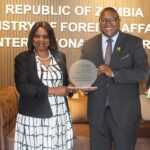
Dr Siame outlined the investment opportunities during a courtesy call by Italian Ambassador to Zambia, His Excellency Enrico De Agostini. The meeting focused on strengthening cooperation between Zambia and Italy in environmental protection, sustainable agriculture and green investment. Both countries recognised the potential for partnerships that combine environmental conservation with economic development. For Zambia, attracting foreign investment into sustainable industries could help unlock the economic value of its forests while supporting national development priorities. Italy’s interest in expanding cooperation provides an opportunity to build partnerships that support local businesses, improve production systems and encourage responsible use of natural resources.
The forestry sector offers several opportunities for Italian investors interested in sustainable businesses and environmentally responsible investment. Zambia’s forests support biodiversity, provide essential resources for rural communities and contribute to livelihoods through products such as honey, mushrooms and other non-timber forest products. Developing these industries can create opportunities for small-scale producers, cooperatives and local enterprises to access larger markets. Investment in processing facilities, storage, packaging, transport and market access could help increase the value of forest-based products while creating employment along the supply chain. However, the long-term success of these opportunities will depend on responsible forest management, sustainable harvesting practices and measures that prevent environmental degradation.
Carbon markets are another important area of potential investment between Zambia and Italy. These markets allow eligible projects that reduce or remove greenhouse gas emissions to generate carbon credits under applicable standards and rules. Depending on the project and the relevant market requirements, credits may be purchased by organisations seeking to meet voluntary climate commitments or comply with specific regulatory obligations. Forest conservation, restoration and other qualifying climate initiatives can provide opportunities for carbon finance when they meet the necessary environmental and verification requirements. For Zambia, attracting credible carbon market investment could help finance environmental projects while supporting communities that depend on forest resources.
Dr Siame said the Government was working to simplify carbon credit processes, improve transparency and ensure that local communities receive meaningful benefits from carbon market investments. These measures are important for building investor confidence and encouraging responsible participation in Zambia’s emerging carbon market opportunities. Clear procedures can help investors understand regulatory requirements, while transparent project management can improve accountability and public trust. The Minister also highlighted initiatives intended to direct benefits towards community needs, including support for schools, electrification and alternative livelihood opportunities. Such measures could help communities see practical benefits from conservation projects while strengthening their willingness to protect forests and manage natural resources sustainably.
Community participation is particularly important because rural households often depend on forests for food, income, energy and other essential resources. Carbon projects and sustainable forestry initiatives are more likely to deliver lasting benefits when local people understand how they operate and have a meaningful role in decisions affecting their land and livelihoods. Fair benefit-sharing arrangements can help ensure that the economic returns from environmental investments reach the people involved in protecting natural resources. Alternative income opportunities can also reduce pressure on forests by giving households additional ways to earn a living. For investors, strong community relationships and transparent governance can support project stability and improve the long-term prospects of sustainable forestry and carbon market investments.
The Minister encouraged Italian institutions to support climate finance and invest in sustainable forestry, honey production and other forest-based products. Honey production offers opportunities to connect forest conservation with income generation, particularly in communities where beekeeping can complement other rural economic activities. With suitable training, equipment, processing facilities and access to reliable markets, producers may be able to improve product quality and increase the value of their output. Similar opportunities exist in the development of mushroom production and other non-timber forest products, which can diversify rural incomes without relying entirely on timber extraction. Investment in these value chains could support small businesses, improve market access and create employment in production, processing, distribution and sales.
“Zambia is open for business in the forestry sector,” Dr Siame said, emphasising the Government’s willingness to engage investors interested in sustainable economic opportunities. The statement signals an effort to position forestry as a contributor to national economic growth rather than viewing forests solely as environmental assets. Responsible investment could support improved production methods, introduce technical expertise and strengthen connections between Zambian producers and international markets. Italian businesses and institutions could contribute through financing, technology transfer, skills development and partnerships with local enterprises. Realising these opportunities will require commercially viable projects that also respect environmental standards and deliver measurable benefits to communities.
Ambassador De Agostini reaffirmed Italy’s commitment to strengthening cooperation with Zambia and described the country as a priority for Italian development cooperation. He highlighted the €13.5 million European Union-supported LEAF programme, which aims to strengthen forest-based value chains, including those involving honey and mushrooms. The programme reflects the importance of developing economic activities that can generate income while encouraging the sustainable use of forest resources. Strengthening these value chains can help producers improve their capacity to meet market requirements and participate more effectively in commercial networks. The initiative also provides a foundation for broader cooperation among public institutions, development partners, investors and local communities working towards sustainable rural development.
Beyond forestry and carbon markets, Italy expressed interest in expanding cooperation with Zambia in waste management, biodiversity conservation and the rehabilitation of degraded areas. These fields present additional opportunities for investment, technical cooperation and knowledge sharing. Effective waste management can help reduce pollution, improve public health and support more efficient use of materials through recycling and other appropriate recovery methods. Biodiversity conservation can protect ecosystems that support agriculture, tourism and rural livelihoods, while restoring degraded land can help improve environmental conditions and strengthen the resilience of affected communities. Partnerships in these areas could broaden the relationship between Zambia and Italy beyond individual forestry projects and contribute to wider environmental objectives.
The Italian Ambassador also stressed the importance of stronger environmental law enforcement and adequately resourced regulatory institutions. Effective regulation is essential for ensuring that investment in forestry and carbon markets delivers genuine environmental benefits rather than encouraging activities that undermine conservation goals. Investors need clear rules, predictable procedures and reliable oversight to assess risks and make informed decisions. Regulatory institutions also need sufficient technical capacity and resources to monitor projects, verify compliance and respond to environmental violations. Strengthening these systems could improve investor confidence while helping Zambia protect its forests, biodiversity and other natural resources.
The success of Zambia’s efforts to attract Italian investment will depend on how effectively the country translates these commitments into practical opportunities. Simplified procedures, transparent carbon market rules and credible benefit-sharing arrangements can help create a more attractive environment for responsible investors. At the same time, local communities and small-scale producers will need access to training, finance, equipment and markets to participate fully in the growth of forest-based industries. Cooperation between the Zambian Government, Italian institutions, private businesses and development partners could help address these needs. Careful project planning and consistent environmental oversight will remain essential to ensure that investment supports both economic development and long-term conservation.
Zambia’s invitation to Italian investors represents an opportunity to strengthen cooperation in sustainable forestry, carbon markets and the wider green economy. The Government’s focus on transparency, community benefits and improved investment processes could help establish a stronger foundation for responsible private sector participation. Italy’s commitment, including its support for the LEAF programme, provides a basis for expanding collaboration in honey production, mushrooms, biodiversity conservation, waste management and land rehabilitation. If these efforts lead to well-managed projects and stronger local value chains, they could generate employment, diversify rural incomes and support environmental protection. By connecting investment with community development and sustainable resource management, Zambia aims to make its forestry sector a stronger contributor to inclusive economic growth and a more sustainable future.