



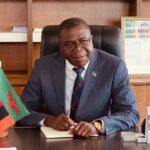




President Hakainde Hichilema has called for stronger economic cooperation between Zambia and Switzerland, urging the two countries to deepen their existing relationship into a comprehensive economic partnership that delivers lasting benefits for both nations. The President said trade and investment between Zambia and Switzerland had grown to more than US$20 billion over the years, highlighting the significance of their economic ties. He made the remarks when Swiss State Secretary Helene Budliger Artieda paid a courtesy call on him at State House in Lusaka. The meeting provided an opportunity to discuss ways of strengthening bilateral relations and expanding economic cooperation. President Hichilema emphasised that a deeper partnership would support Zambia’s Grow Zambia Agenda by creating opportunities for investment, business development and sustainable economic growth.
The reported value of trade and investment between Zambia and Switzerland highlights the importance of maintaining strong commercial relationships with international partners. Switzerland is an established participant in global trade and finance, while Zambia offers opportunities linked to its natural resources, agriculture, infrastructure development and wider economic growth ambitions. Strong bilateral relations can help connect businesses, encourage investment and create opportunities for both countries to benefit from commercial cooperation. However, trade and investment represent different economic activities, and the reported figure of more than US$20 billion does not, by itself, clarify the period covered or the separate contributions of each activity. Further details would be needed to determine precisely how the figure is distributed across trade, investment and the years in which the activities took place.
President Hichilema’s call to deepen the relationship into a comprehensive economic partnership reflects the importance of moving beyond existing commercial ties towards broader cooperation. Such a partnership could involve stronger business connections, expanded investment opportunities and closer engagement between public institutions and private sector organisations. It could also provide a framework for identifying areas where Swiss expertise and capital could support Zambia’s development priorities. For Zambia, the objective is to ensure that international economic relationships translate into productive activity, employment opportunities and improved livelihoods. For Switzerland, stronger cooperation could create additional opportunities for businesses to participate in Zambia’s developing economy.
The Grow Zambia Agenda provides an important context for the President’s call for deeper economic cooperation. Zambia’s development ambitions depend on encouraging productive investment, supporting local businesses and creating conditions that allow industries to expand. International partnerships can contribute to these objectives by bringing in capital, technical expertise, new technologies and access to markets. However, investment must also create meaningful opportunities for Zambian businesses and workers if it is to deliver broad economic benefits. A comprehensive partnership could therefore help align international commercial interests with Zambia’s priorities for economic transformation and inclusive growth.
Investment in productive sectors could be an important part of strengthening Zambia-Switzerland economic relations. Agriculture, manufacturing, energy, mining-related services, infrastructure and tourism are among the areas that could be considered for cooperation, depending on investor interest and the countries’ agreed priorities. Investment in agriculture and food processing, for example, could help improve productivity and increase the value of locally produced goods. Support for manufacturing and related industries could encourage domestic production, develop supply chains and create jobs. Any future projects would need careful assessment to ensure that they are commercially viable, environmentally responsible and consistent with Zambia’s long-term development goals.
The expansion of trade could also help Zambian businesses reach more international customers. Stronger commercial links can create opportunities for local producers to improve product quality, meet export requirements and develop relationships with overseas buyers. Access to international markets can help businesses expand beyond domestic demand and increase their potential to generate revenue. At the same time, businesses need reliable infrastructure, clear regulations and access to finance to compete effectively. Deeper cooperation between Zambia and Switzerland could encourage dialogue on these issues and help identify practical ways to strengthen trade opportunities.
Another important consideration is the role of private sector participation in economic development. Governments can establish policies and agreements that encourage investment, but businesses often provide the capital, expertise and operational capacity needed to turn opportunities into functioning enterprises. Stronger links between Zambian and Swiss companies could support joint ventures, technology exchange and the development of new commercial relationships. Such cooperation could also help local businesses gain access to international standards and business practices. To achieve meaningful results, both countries would need to support a stable and transparent business environment that gives investors confidence while protecting national interests.
The meeting at State House also highlights the role of high-level diplomatic engagement in strengthening bilateral economic relations. Courtesy calls between national leaders and senior foreign officials provide opportunities to discuss shared priorities and identify areas for future cooperation. These engagements can help maintain communication between governments and establish a foundation for more detailed discussions involving relevant ministries, investment agencies and private sector representatives. The visit by Swiss State Secretary Helene Budliger Artieda therefore formed part of the wider diplomatic engagement between Zambia and Switzerland. The practical value of such meetings will depend on how discussions are followed by concrete agreements, investment decisions and programmes that support the priorities identified by both sides.
For Zambia, attracting international investment is only one part of building a stronger economy. The country must also ensure that investment contributes to skills development, local enterprise growth and opportunities for Zambian workers. Partnerships that encourage technology transfer and professional training can help strengthen domestic capacity over time. Local businesses can also benefit when international investors work with Zambian suppliers and service providers rather than operating separately from the wider economy. These considerations will be important in determining whether a deeper economic partnership produces benefits that extend beyond individual companies and projects.
The President’s appeal for a comprehensive economic partnership signals an interest in building on the existing relationship between Zambia and Switzerland. The reported trade and investment value of more than US$20 billion provides an indication of the scale attributed to their economic engagement, although the precise composition and timeframe of that figure remain unspecified. The next step will be to identify practical areas for cooperation and ensure that future initiatives support the development priorities of both countries. Stronger trade, productive investment and closer business ties could help create employment, expand markets and encourage economic diversification in Zambia. By turning diplomatic engagement into measurable economic outcomes, Zambia and Switzerland have an opportunity to build a more comprehensive partnership that supports sustainable growth and delivers mutual benefits over the long term.