






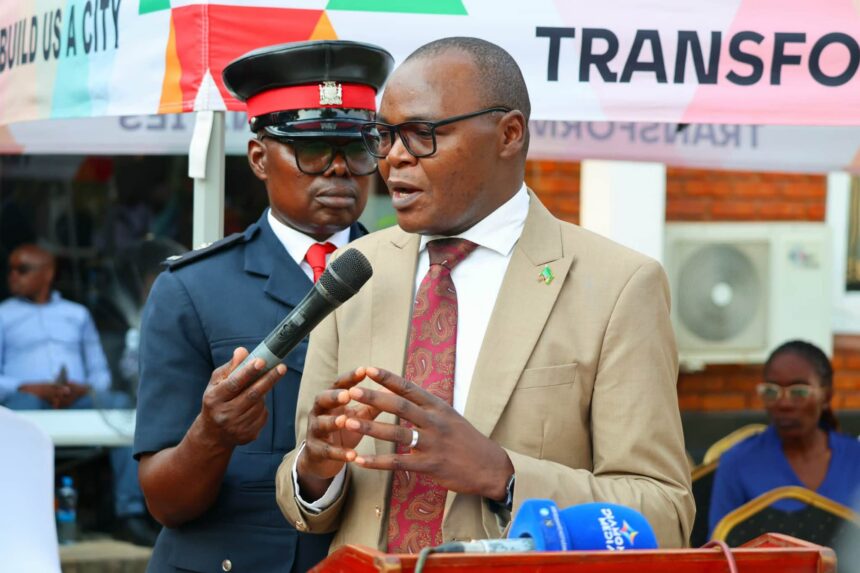
The Government has urged newly installed Kitwe Mayor His Worship Charles Kabwita and councillors to prioritise service delivery, accountability and sustainable development as the Copperbelt city seeks to strengthen its contribution to Zambia’s national Grow Zambia Agenda. The call was made during the mayoral installation ceremony held at the Kitwe Civic Centre, where Ministry of Local Government and Rural Development Permanent Secretary for Technical Services, Mr Nicholas Phiri, challenged the city’s new leadership to focus on practical solutions to the needs of residents. He emphasised that local authorities have an important responsibility to improve municipal services, manage public resources responsibly and create conditions that support economic growth. The Government also highlighted the need for cooperation between elected leaders, council management, businesses and residents to achieve meaningful development. The message placed service delivery and responsible local governance at the centre of Kitwe’s development priorities.
During the ceremony, Mr Phiri congratulated Mayor Kabwita and the councillors on their election and urged them to carry out their duties with integrity, humility and a strong commitment to public service. He said elected officials must recognise that their responsibilities extend beyond political leadership to include addressing the everyday challenges facing communities. Residents depend on local authorities for services such as waste management, maintenance of public facilities, road infrastructure and the effective administration of municipal resources. Meeting these needs requires clear priorities, careful planning and consistent oversight of council operations. Mr Phiri’s remarks underscored the importance of ensuring that leadership decisions translate into visible improvements in the lives of Kitwe residents.
Kitwe occupies an important position in Zambia’s economy because of its role as a major mining and commercial centre on the Copperbelt. The city’s economic activity provides opportunities for business development, employment and investment across several sectors. Mr Phiri said Kitwe had significant potential to contribute to national economic growth through local processing, manufacturing, enterprise development and value addition. These activities can help increase the economic value of locally available resources while creating opportunities for businesses and workers. Strengthening the connection between mining, manufacturing and other industries could also support broader economic participation and help Kitwe contribute more effectively to the Grow Zambia Agenda.
The Permanent Secretary stressed that elected leaders must work closely with council management and the Government to improve local governance and municipal service delivery. He noted that political leadership and professional management should complement each other rather than operate at cross purposes. Councillors help represent community priorities and provide political oversight, while council management supports the implementation of policies, programmes and administrative responsibilities. Effective coordination between these roles can help reduce delays, improve planning and ensure that public resources are directed towards agreed development priorities. Strong cooperation is particularly important when local authorities must balance limited resources with growing demands for infrastructure and essential services.
“The time for political contest is over; the time for work, service delivery and development has begun,” Mr Phiri said. His message called on councillors to put political differences aside and work collectively in the interests of Kitwe residents. Local government decisions affect communities across political and social boundaries, making cooperation important when planning public services and development projects. Disagreements can be managed through constructive discussion, but they should not prevent the council from carrying out its responsibilities. By focusing on shared priorities, the mayor and councillors can work towards practical solutions that respond to residents’ needs and support the city’s long-term development.
Mr Phiri also highlighted the importance of protecting investments made through the Constituency Development Fund, commonly known as the CDF. He noted that more than 300 CDF projects had been completed in Kitwe and urged the council to ensure that the facilities are properly maintained and continue to benefit communities. Completed projects represent public investment, and their long-term value depends on effective management after construction. Buildings, infrastructure and other community facilities require maintenance, responsible administration and adequate planning to remain useful. The council therefore has an important role in protecting these investments and ensuring that public resources continue to deliver benefits rather than being lost through neglect or poor maintenance.
The Constituency Development Fund supports development initiatives intended to respond to community needs at constituency level. When projects are properly selected, implemented and maintained, they can help improve access to public facilities and support local development. However, the completion of a project does not automatically guarantee lasting benefits. Local authorities and relevant community institutions must ensure that facilities remain functional, resources are managed responsibly and any maintenance needs are addressed in good time. Mr Phiri’s emphasis on safeguarding Kitwe’s completed CDF projects highlighted the need to measure development not only by the number of projects delivered but also by their continued usefulness to residents.
Infrastructure development was another key issue raised during the installation ceremony. Mr Phiri reaffirmed the Government’s commitment to infrastructure investment, including a 16.25-kilometre road rehabilitation project in Kitwe. Road improvements can support movement within the city, help businesses transport goods and make it easier for residents to access workplaces, markets and public services. Better road infrastructure can also contribute to improved connections between commercial areas and surrounding communities. To sustain these benefits, road projects need proper implementation, maintenance planning and coordination between the relevant authorities. The council’s role in managing municipal infrastructure will remain important as Kitwe works to meet the needs of residents and businesses.
The Government also urged the council to strengthen revenue collection, embrace the e-Council digital platform and manage public resources prudently. Reliable revenue collection helps local authorities finance essential services and reduce dependence on other funding sources. Improving the administration of council fees and charges can also support more predictable budgeting and better planning for municipal operations. Digital platforms such as e-Council can support more efficient administrative processes, although their effectiveness depends on implementation, staff capacity and public access to the services provided. Combined with sound financial controls and transparent decision-making, these measures can help the council improve accountability and make better use of available resources.
Mr Phiri called on residents, businesses, marketeers and other stakeholders to take an active role in supporting Kitwe’s development. He urged them to pay applicable council fees and charges, comply with municipal by-laws, dispose of waste responsibly and protect public infrastructure. Local authorities cannot deliver every service effectively without cooperation from the people and businesses they serve. Timely payment of legitimate fees can help support municipal operations, while responsible waste disposal can reduce pollution and help keep public spaces clean. Protecting roads, public buildings and other facilities also helps preserve investments made for the benefit of the wider community.
Responsible waste management is particularly important for a growing commercial city such as Kitwe. Poor disposal practices can create sanitation problems, obstruct drainage systems and undermine efforts to maintain clean public spaces. Residents, marketeers and business operators can contribute by using designated waste disposal arrangements and following applicable municipal rules. The council, in turn, must ensure that waste collection and related services are planned and managed effectively. Cooperation between the local authority and the public can help improve the urban environment and support a healthier, more orderly city.
In his remarks, Mayor Kabwita said he would focus on the aspirations of Kitwe residents and work with councillors, council management, the Government and other stakeholders to advance the city’s development priorities. His statement highlighted the importance of consultation and cooperation in setting the direction of the council. Working with different stakeholders can help the city identify pressing needs, coordinate available resources and improve the implementation of development programmes. It also creates opportunities for businesses, community groups and residents to contribute ideas and participate in local development. The success of these efforts will depend on how effectively the council turns its stated priorities into practical action and maintains accountability for the results.
Kitwe’s development priorities involve several connected responsibilities, including improving municipal services, maintaining infrastructure, protecting public investments and supporting economic activity. The city’s position as a mining and commercial hub creates opportunities for growth, but it also places demands on roads, waste management systems, public facilities and council administration. Addressing these needs requires sound financial management, effective planning and cooperation among elected representatives, professional staff and residents. The Government’s call for accountability and service delivery reflects the importance of ensuring that local government institutions respond to these demands. Progress will depend on sustained attention to both immediate community needs and longer-term economic development.
The installation of Mayor Charles Kabwita marks an important point for Kitwe’s local leadership, with the Government calling for a clear focus on service delivery, accountability and sustainable development. Mr Phiri’s remarks highlighted the need for councillors to work together, maintain completed CDF projects, support infrastructure development and improve the management of municipal resources. The emphasis on revenue collection, digital administration and responsible public participation also reflects the shared responsibilities involved in running an effective city. Mayor Kabwita has stated his intention to work with councillors, council management, the Government and other stakeholders to advance residents’ aspirations. As Kitwe seeks to contribute to Zambia’s Grow Zambia Agenda, the practical results of these efforts will be measured by improvements in public services, the protection of community investments and the city’s ability to support inclusive and sustainable economic growth.