




The International Fund for Animal Welfare (IFAW) has reaffirmed its commitment to attracting investment into Zambia’s wildlife conservation landscapes to promote sustainable tourism development and improve the livelihoods of communities living alongside wildlife. The commitment highlights the growing importance of conservation partnerships in protecting the country’s natural resources while creating economic opportunities for local people. IFAW aims to strengthen collaboration with the Zambian Government and other stakeholders to ensure that wildlife conservation contributes to tourism growth, employment creation and community development. The organisation’s renewed commitment comes as Zambia seeks to increase international tourist arrivals and strengthen its position as a destination for nature-based tourism. By linking conservation with investment and community benefits, the partnership aims to support a future in which both people and wildlife can thrive.
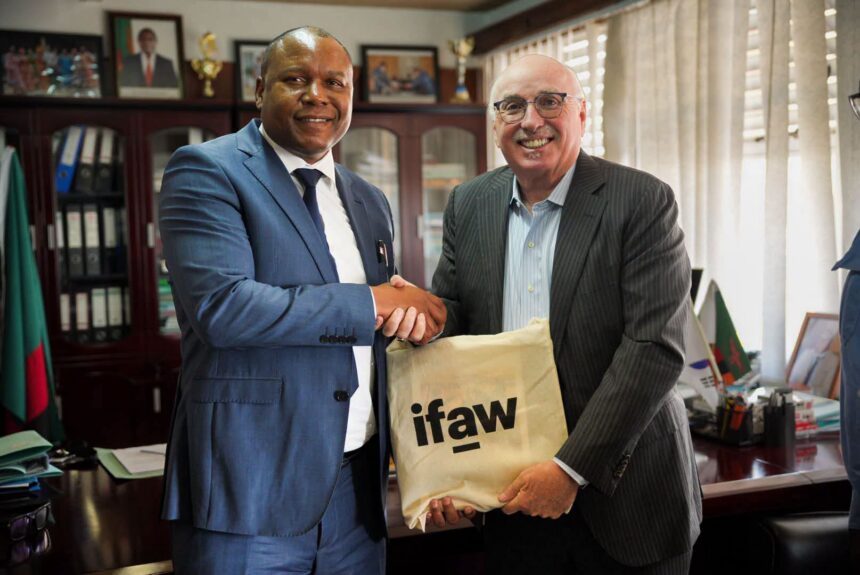
The commitment was highlighted when IFAW President and Chief Executive Officer Azzedine Downes led a delegation on a courtesy call on Ministry of Tourism Permanent Secretary Evans Muhanga in Lusaka. During the meeting, Mr Muhanga commended IFAW for its continued support for wildlife conservation, infrastructure development, anti-poaching operations and efforts to reduce human-wildlife conflict. He particularly recognised the organisation’s work in the Kasungu-Lukusuzi landscape, where conservation efforts are important for protecting wildlife and supporting communities living near natural habitats. The discussions focused on strengthening cooperation to ensure that conservation activities deliver lasting environmental and economic benefits. The meeting also provided an opportunity to explore how international partnerships could attract more investment into Zambia’s wildlife areas and support the country’s wider tourism development goals.
Mr Muhanga emphasised that conservation partnerships are essential to Zambia’s ambition of attracting five million international tourist arrivals annually by 2031. Achieving this target will require continued investment in tourism infrastructure, destination promotion, environmental protection and services that improve the visitor experience. Wildlife remains an important part of Zambia’s tourism appeal, attracting visitors interested in national parks, safari experiences and the country’s natural landscapes. However, the long-term success of wildlife tourism depends on protecting habitats and ensuring that conservation benefits extend beyond protected areas to surrounding communities. Mr Muhanga stressed that people living alongside wildlife must receive tangible benefits from conservation if they are to view wildlife as an economic opportunity rather than a source of danger and financial loss.
The Permanent Secretary said communities should see wildlife as a resource that can create jobs, improve livelihoods and support sustainable tourism development. This approach places local people at the centre of conservation planning and recognises their role in protecting natural habitats. When communities benefit from tourism-related employment, business opportunities and conservation programmes, they have stronger incentives to support wildlife protection. These benefits may include opportunities in tourism services, community enterprises, local supply chains and conservation-related work. Building these connections can help ensure that wildlife conservation contributes to household incomes while supporting the long-term protection of Zambia’s biodiversity.
Mr Muhanga also highlighted IFAW’s contribution towards the construction of 51 staff houses across five wildlife management sectors. Providing suitable accommodation for conservation personnel can improve working conditions and help support the effective management of wildlife areas. Rangers and other field staff play an important role in monitoring wildlife, preventing illegal activities and responding to conservation challenges. Improved facilities can support their ability to carry out these responsibilities, particularly in remote areas where access to essential services may be limited. The Government’s recognition of these investments reflects the importance of practical infrastructure in strengthening wildlife protection and supporting the people responsible for conservation work.
IFAW’s support for improved ranger operations and anti-poaching activities also forms part of the broader effort to protect Zambia’s wildlife resources. Poaching and illegal wildlife trade can threaten animal populations, weaken ecosystems and undermine tourism opportunities that depend on healthy wildlife populations. Effective conservation requires trained personnel, suitable equipment, reliable operational support and cooperation among government agencies, conservation organisations and local communities. Strengthening these efforts can help protect wildlife while maintaining the natural environments that attract visitors. Continued investment in conservation operations is therefore important for both biodiversity protection and the long-term development of Zambia’s nature-based tourism sector.
Human-wildlife conflict was another major issue discussed during the meeting. Communities living near wildlife habitats can face risks when animals enter settlements, damage crops, threaten livestock or endanger human safety. These incidents can create financial hardship and weaken public support for conservation, particularly when affected households struggle to recover their losses. Mr Muhanga called for increased investment in practical measures such as protective fencing, early warning systems and sustainable support mechanisms for communities affected by wildlife. Such interventions can help reduce dangerous encounters, improve preparedness and encourage a more balanced relationship between people and animals.
Effective human-wildlife conflict mitigation requires solutions suited to the needs of each landscape and the communities living within it. Protective fencing may help in some locations, while early warning systems can give residents more time to respond when potentially dangerous animals approach populated areas. Community awareness programmes can also help people understand wildlife behaviour and adopt safer practices around homes, farms and livestock. However, these measures require proper planning, maintenance and community participation to remain effective over time. Investment in prevention and support for affected households can reduce the costs of living alongside wildlife and strengthen the relationship between conservation programmes and local communities.
Mr Downes reaffirmed IFAW’s commitment to strengthening partnerships that promote coexistence between people and wildlife while creating opportunities for tourism investment. He emphasised the organisation’s focus on ensuring that both animals and people thrive together, with particular attention to communities living close to wildlife. His remarks highlighted the importance of connecting conservation funding with practical improvements in local livelihoods. When tourism investment supports community businesses and employment, it can create additional reasons for residents to protect wildlife and maintain natural habitats. This approach also recognises that conservation efforts are more likely to succeed when local communities participate in decision-making and share in the benefits.
IFAW also expressed its willingness to support Zambia’s tourism growth ambitions through international partnerships, conservation innovation and greater global visibility for the country’s conservation achievements. International cooperation can help connect Zambia with potential investors, technical experts and organisations that support wildlife protection and sustainable tourism. Greater visibility may also help raise awareness of the country’s natural attractions and the work being done to conserve them. For these opportunities to translate into lasting benefits, investment must align with environmental protection and the needs of communities living in wildlife areas. Strong partnerships can help develop tourism opportunities while ensuring that natural resources remain protected for future generations.
The meeting also welcomed IFAW’s plans to establish a country office in Zambia. A local presence could provide a stronger foundation for ongoing engagement with government institutions, conservation stakeholders and communities. It could also help the organisation coordinate its activities, identify local priorities and support the development of long-term conservation programmes. The effectiveness of such an office would depend on its ability to work closely with existing institutions and respond to the practical needs of wildlife landscapes. Its planned establishment signals an interest in deepening IFAW’s engagement with Zambia’s conservation sector, although the specific timeline and scope of its operations were not detailed in the meeting.
Participants further emphasised the importance of stronger collaboration with traditional leaders to promote community ownership of conservation initiatives. Traditional leaders often play an important role in local decision-making and can help communities understand and participate in conservation programmes. Their involvement can improve communication, build trust and ensure that projects reflect local priorities and circumstances. Working with community leadership can also help identify concerns about wildlife, land use and access to economic opportunities before they become obstacles to conservation efforts. Meaningful participation is essential to ensuring that conservation initiatives are supported by the people whose lives and livelihoods are most closely connected to wildlife.
The partnership between IFAW and the Zambian Government reflects a broader understanding that wildlife conservation and sustainable tourism development can reinforce one another. Protecting wildlife and natural habitats helps preserve the attractions that draw visitors, while responsible tourism can generate income and employment for surrounding communities. Investments in ranger infrastructure, anti-poaching operations and human-wildlife conflict mitigation can strengthen this relationship by addressing both environmental threats and the challenges faced by residents. However, achieving lasting results will require consistent funding, effective coordination and clear evidence that communities are benefiting from conservation. Zambia’s ambition to attract five million international tourists annually by 2031 will depend not only on promoting its attractions but also on protecting the natural resources that make those attractions valuable.
IFAW’s renewed commitment to conservation investment in Zambia presents an opportunity to strengthen wildlife protection while expanding the economic benefits of tourism. The organisation’s support for conservation infrastructure, ranger operations and community-based initiatives provides a foundation for deeper cooperation with the Government and local stakeholders. Its plans for further partnerships, conservation innovation and a country office could help advance these efforts if they translate into sustained action on the ground. Addressing human-wildlife conflict and ensuring that local communities share in the benefits of tourism will remain essential to the success of this approach. By combining international investment, community participation and responsible wildlife management, Zambia can work towards a tourism sector that supports livelihoods, protects biodiversity and creates lasting value for future generations.