
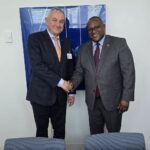
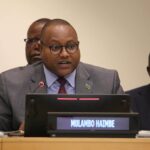


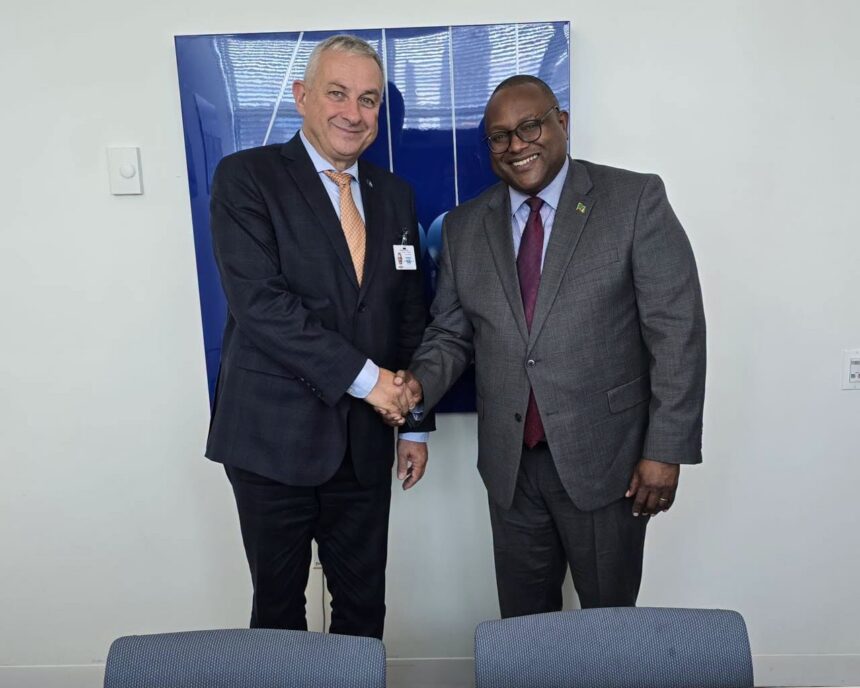
Zambia and the European Union have reaffirmed their strong partnership and agreed to deepen cooperation during a bilateral meeting held on the margins of the 81st United Nations General Assembly in New York. The engagement brought together senior representatives from Zambia and the European Union at a time when international partnerships remain important to Zambia’s economic and development priorities. President Hakainde Hichilema was represented at the meeting by Mulambo Haimbe, S.C., M.P., Minister of Foreign Affairs and International Cooperation and Head of Delegation. The European Union was represented by Jozef Síkela, European Commissioner for International Partnerships. The meeting provided an opportunity to strengthen dialogue around cooperation that can support investment, trade, job creation and Zambia’s broader development ambitions under the Grow Zambia Agenda.
The bilateral engagement formed part of Zambia’s diplomatic activities during UNGA81 in New York. The United Nations General Assembly provides a major platform for countries to engage on international affairs while also creating opportunities for bilateral meetings between governments and international partners. For Zambia, such engagements can provide an avenue to discuss national priorities directly with strategic partners and explore areas where cooperation can deliver practical economic and development outcomes. The meeting with the European Union was therefore significant beyond diplomatic relations because it focused on strengthening a partnership with potential implications for investment and economic activity. Continued high-level engagement can also help maintain dialogue on Zambia’s priorities as the country seeks to expand its participation in international markets.
Haimbe represented President Hichilema in his capacity as Minister of Foreign Affairs and International Cooperation and Head of the Zambian delegation. His participation ensured that Zambia’s national interests were represented during the discussions with the European Union. Síkela represented the European Union as European Commissioner for International Partnerships, bringing the EU’s international cooperation perspective to the bilateral engagement. The presence of senior officials from both sides demonstrated the importance attached to the relationship. Their discussions focused on the shared objective of deepening cooperation and strengthening the partnership between Zambia and the European Union.
Economic cooperation is an important dimension of the Zambia-EU relationship because Zambia is seeking to attract investment and expand opportunities for businesses. Strong international partnerships can help create channels for investment in productive sectors while supporting trade and economic activity. For Zambia, greater investment can contribute to the expansion of businesses, infrastructure and productive capacity when projects are aligned with national development priorities. The Government has placed emphasis on creating conditions that can support private-sector participation and economic growth under the Grow Zambia Agenda. Engagement with the European Union can therefore provide an important diplomatic platform for discussing opportunities that support these objectives.
Trade is another area where stronger Zambia-EU cooperation could create opportunities for economic activity. Expanding trade requires businesses to identify markets, meet applicable requirements and develop the capacity to compete across borders. International partnerships can support dialogue around these issues while creating opportunities for stronger commercial relationships. Increased trade can also benefit businesses operating across different parts of the economy by creating demand for goods and services. For Zambia, the objective of expanding economic opportunities is closely connected to efforts to increase production, improve competitiveness and create employment.
Job creation is also central to Zambia’s development priorities. Investment and trade can support employment directly through new businesses and projects and indirectly through demand for suppliers, services and supporting industries. The potential employment impact depends on the nature and scale of investments as well as how effectively local businesses and workers participate in economic opportunities. Strengthening cooperation with international partners can help create conditions for productive investment while supporting broader development objectives. The focus on jobs during Zambia’s international engagements reflects the importance of ensuring that economic growth generates opportunities for citizens.
The Grow Zambia Agenda provides a national framework for strengthening production, investment and economic activity. The Government has highlighted the importance of private-sector participation in achieving these objectives and has sought to engage partners that can contribute to the country’s development. The Zambia-EU meeting fits within this wider approach by focusing on a partnership that can support investment, trade and economic opportunities. International cooperation can be particularly relevant where development priorities require financing, technical cooperation or access to wider markets. The effectiveness of such partnerships will depend on how discussions are translated into specific programmes, investments and measurable outcomes.
The bilateral meeting also demonstrates the importance of maintaining strong relationships with international partners as Zambia pursues its economic objectives. Diplomatic relations can provide the foundation for cooperation across several areas, including commerce, investment and development. Regular engagement allows governments to identify shared priorities and address issues that may affect cooperation. It can also provide opportunities to build greater understanding of national policies and development strategies. By reaffirming their partnership, Zambia and the European Union have signalled their intention to continue working together and explore opportunities for deeper cooperation.
For Zambia, international partnerships form part of a broader effort to position the country for increased investment and participation in regional and global economic activity. The Government’s development priorities require cooperation between public institutions, the private sector and international partners. European cooperation can contribute to this process through engagement on areas that support economic development and investment. At the same time, Zambia’s national interests remain central to determining the areas where cooperation can be most useful. Bilateral meetings such as the one held at UNGA81 provide an opportunity to align those interests with areas of mutual cooperation.
The meeting in New York also comes as Zambia continues to use international platforms to advance its diplomatic and economic priorities. Participation at the United Nations General Assembly gives the country access to discussions involving governments and international institutions from around the world. Bilateral engagements held alongside the General Assembly can complement formal multilateral discussions by allowing countries to focus on specific relationships and shared interests. For Zambia, these meetings can help strengthen diplomatic ties while creating opportunities to advance economic objectives. The engagement with the European Union is part of this broader diplomatic effort.
The reaffirmation of the Zambia-EU partnership therefore carries significance for the country’s efforts to attract investment, expand trade and support job creation. The bilateral meeting between Mulambo Haimbe and Jozef Síkela provided a platform for both sides to discuss strengthening cooperation while Zambia continues to pursue its development priorities. The representation of President Hakainde Hichilema by the Foreign Affairs and International Cooperation Minister ensured that the engagement formed part of Zambia’s wider diplomatic agenda at UNGA81. The focus on investment, trade and economic opportunities also connects the partnership directly to the objectives of the Grow Zambia Agenda. As cooperation develops, the key measure will be how effectively strengthened diplomatic relations translate into practical opportunities that support Zambia’s economic development and create greater benefits for its people.