



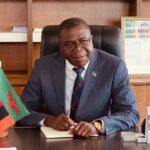



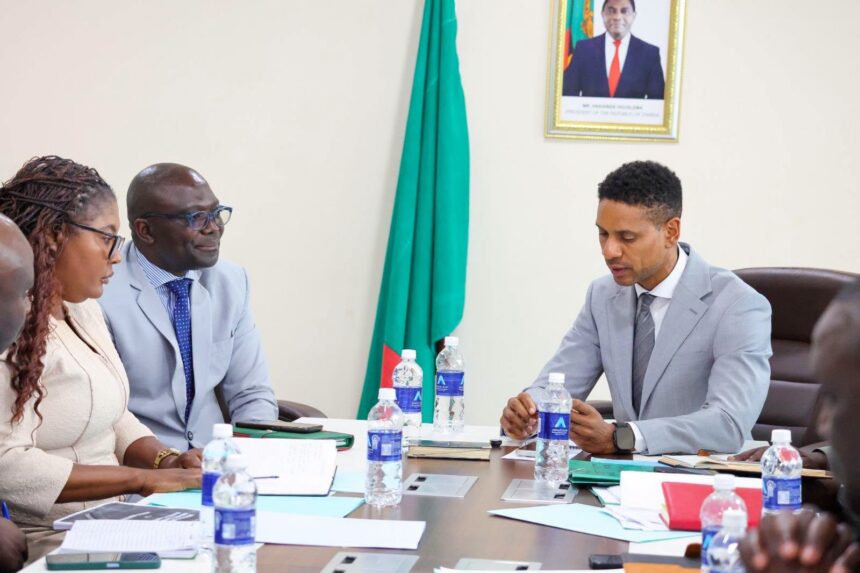
Muchinga Province is strengthening its approach to sustainable development through closer collaboration between provincial leadership and the Ministry of Local Government and Rural Development. Muchinga Province Permanent Secretary Dr Tuesday Bwalya today paid a courtesy call on Ministry of Local Government and Rural Development Permanent Secretary for Administration, Dr Gabriel Pollen, for discussions focused on accelerating developmental projects across the province. The engagement provided an opportunity for the two senior government officials to consider practical measures that can improve the implementation of infrastructure and community development initiatives. Their discussions also highlighted the importance of aligning local resources with development priorities so that projects respond effectively to the needs of communities. The meeting reflects a continued focus on ensuring that government programmes deliver meaningful improvements to the lives and livelihoods of people across Muchinga Province.
A key focus of the meeting was strengthening collaboration between provincial administration and the Ministry of Local Government and Rural Development. Effective coordination between government institutions is important when implementing projects that require planning, funding, technical support and community participation. By working more closely, the relevant authorities can identify development priorities, improve resource allocation and address implementation challenges more efficiently. Strong institutional cooperation can also help reduce delays and ensure that projects are aligned with broader government development objectives. For communities in Muchinga Province, improved coordination can translate into more consistent delivery of infrastructure and services that respond to local needs.
Infrastructure development was another important area addressed during the engagement. Infrastructure plays a central role in supporting economic activity and improving access to essential services in communities across the province. Roads, public facilities, water infrastructure, schools and other community assets can contribute directly to improved living conditions while creating an environment that supports local economic development. Accelerating infrastructure projects requires government agencies to coordinate effectively and ensure that available resources are directed towards projects with clear community benefits. The discussions between Dr Bwalya and Dr Pollen therefore placed emphasis on strengthening the systems needed to support infrastructure growth throughout Muchinga Province.
The meeting also considered the importance of optimising local resource alignment in the implementation of development projects. Government resources are limited, making effective planning and prioritisation essential for achieving the greatest possible impact. Aligning available funding, human resources and technical capacity with clearly identified community priorities can help ensure that development programmes deliver practical results. Local authorities also have an important role in understanding the specific needs of their communities and ensuring that development interventions address those needs. Better resource alignment can ultimately support more efficient project implementation and strengthen public confidence in government development initiatives.
The enhanced Constituency Development Fund, commonly known as CDF, was also central to the discussions. CDF provides an important mechanism for supporting development at constituency level and funding projects that address local priorities. Its effective implementation requires strong oversight, careful planning and coordination between national, provincial and local government structures. By strengthening collaboration around CDF implementation, authorities can improve the delivery of community-centred projects and ensure that resources reach programmes with tangible benefits for residents. The focus on CDF also demonstrates the importance of giving communities a stronger connection to development initiatives that directly affect their everyday lives.
Community-centred development remains particularly important because the success of a project should ultimately be measured by the difference it makes to people’s lives. Development initiatives can have a greater impact when they respond to clearly identified needs and involve communities in determining priorities. Local participation can also help authorities understand which projects are most urgent and how resources can be used effectively. When communities see direct benefits from public investment, development programmes can contribute to improved livelihoods and greater economic opportunity. The discussions between the two Permanent Secretaries therefore reinforce the need to keep community needs at the centre of development planning in Muchinga Province.
The collaboration between provincial administration and the Ministry of Local Government and Rural Development can also support greater accountability in the delivery of public projects. Clear responsibilities and stronger coordination can make it easier to monitor progress and identify areas requiring additional attention. Effective monitoring is particularly important for ensuring that development funds are used for their intended purposes and that projects meet expected standards. It can also help government institutions learn from implementation challenges and improve the delivery of future programmes. Strengthening these processes will be important as Muchinga Province continues to pursue infrastructure growth and wider development objectives.
The engagement between Dr Tuesday Bwalya and Dr Gabriel Pollen reflects a shared commitment to advancing sustainable development across Muchinga Province. Their discussions focused not only on individual projects but also on the broader systems and partnerships required to achieve meaningful development outcomes. Sustainable development requires consistent investment, effective institutional cooperation and careful alignment between government programmes and community priorities. It also requires development initiatives to deliver benefits that can be maintained over time rather than providing short-term solutions. The reaffirmed commitment from both leaders signals an intention to strengthen these foundations and support development that has a lasting impact on communities.
Muchinga Province has an important role to play in Zambia’s broader development agenda, and effective local development can contribute to national economic and social progress. Improved infrastructure can strengthen connectivity, support businesses and make it easier for communities to access essential services. At the same time, well-managed CDF projects can help address specific constituency-level needs while supporting broader development objectives. Combining provincial leadership with strong cooperation from central government institutions can improve the ability to identify priorities and implement projects effectively. The continued focus on collaboration therefore provides an important foundation for translating government development plans into visible improvements on the ground.
The courtesy call by Muchinga Province Permanent Secretary Dr Tuesday Bwalya on Ministry of Local Government and Rural Development Permanent Secretary for Administration Dr Gabriel Pollen highlights the importance of coordinated action in advancing development across the province. Their discussions around infrastructure growth, local resource alignment and the enhanced CDF demonstrate a shared focus on improving the delivery of community-centred initiatives. Stronger collaboration between government structures can help ensure that development resources are used efficiently and that projects remain closely connected to local priorities. The reaffirmed commitment to sustainable development also places the well-being and livelihoods of communities at the heart of the province’s development efforts. As Muchinga Province continues to implement its development agenda, effective partnerships, responsible resource management and community-focused projects will remain essential to creating lasting improvements for residents.