






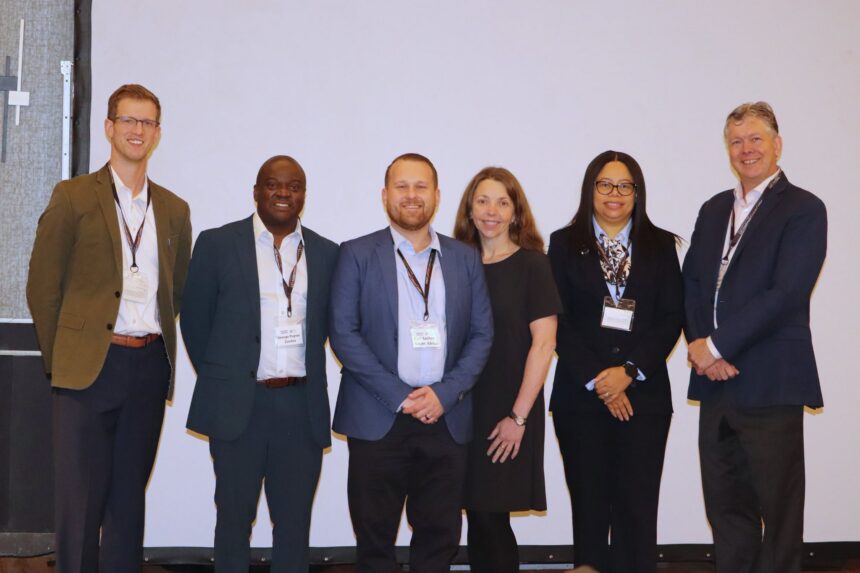
The fight against cancer in Zambia is receiving renewed attention as healthcare professionals, researchers and oncology specialists come together to share knowledge, experience and ideas for improving cancer care. The Greater Horn Oncology Symposium (GHOS) recently brought together experts from Zambia, other African countries and beyond the continent at the InterContinental Hotel in Lusaka. The symposium was held in conjunction with the Ministry of Health Zambia, Cancer Diseases Hospital (CDH) and Radiating Hope. The gathering highlighted the importance of cooperation as countries work to respond to the growing challenges associated with cancer diagnosis, treatment and patient care. It also provided an important platform for professionals across different areas of oncology to discuss developments that could shape the future of cancer treatment.
The event placed collaboration at the centre of discussions, recognising that the complexity of cancer requires healthcare institutions and professionals to work together. Speaking at the symposium, Permanent Secretary of Technical Services at the Ministry of Health, Dr Kennedy Lishimpi, stressed that no single institution or country can address the cancer burden on its own. He highlighted the value of platforms such as GHOS in allowing healthcare professionals to share information, exchange experiences and learn from best practices used in different healthcare settings. This approach is particularly important as cancer care continues to evolve through advances in medical research, technology and treatment techniques. By creating opportunities for specialists to engage directly with one another, the symposium helped strengthen professional networks while encouraging the exchange of practical knowledge.
The Greater Horn Oncology Symposium also brought together professionals working across several disciplines within cancer care. Oncology doctors, medical physicists, radiation therapists and other healthcare practitioners participated in discussions focused on challenges and opportunities within modern clinical oncology. Each discipline plays a different role in the cancer treatment journey, making communication and cooperation essential for delivering effective and coordinated patient care. Bringing these professionals into the same forum allowed them to examine cancer treatment from different perspectives while considering how developments in one area can influence another. Such multidisciplinary engagement can help healthcare teams identify practical ways to improve treatment systems and strengthen the overall quality of cancer services.
Technology and research formed another important part of the discussions at the symposium. Presentations explored trends in modern clinical oncology research and examined how emerging technologies are changing the way healthcare professionals approach cancer treatment. One of the key areas of interest was the gradual integration of artificial intelligence into medical practices, including radiotherapy. Artificial intelligence has attracted growing attention within healthcare because of its potential to support areas such as treatment planning, image analysis, workflow management and clinical decision-making. While technology does not replace the expertise of healthcare professionals, responsible integration of new tools could provide additional support to oncology teams and contribute to more efficient and precise cancer care.
Radiotherapy was particularly relevant to the conversations because it requires close coordination between medical physicists, radiation therapists, oncologists and other specialists. Advances in technology can influence how treatment is planned and delivered, while research can help professionals understand which approaches produce better outcomes for different patients. Discussions about artificial intelligence therefore provide an opportunity to consider both the benefits and challenges that come with introducing new technologies into clinical environments. Healthcare professionals must consider factors such as training, infrastructure, data quality, patient safety and responsible use when adopting emerging technologies. The symposium offered a space for experts to explore these issues while considering how innovations can be adapted to different healthcare systems.
The current cancer landscape in Zambia also received attention during the event, bringing the discussions closer to the realities faced by patients and healthcare workers in the country. Cancer care depends on more than advanced treatment technologies because patients also need timely diagnosis, access to appropriate treatment, qualified professionals and effective follow-up care. Healthcare systems must continuously assess their capacity and identify areas where services can be strengthened. Collaboration between government institutions, hospitals, medical professionals, researchers and organisations supporting cancer care can contribute to these efforts. The conversations at GHOS therefore extended beyond medical research and technology, highlighting the broader need for coordinated action across the cancer care system.
The presence of experts from different African countries and other parts of the world also demonstrated the value of international knowledge sharing. Cancer care challenges can differ significantly between countries because healthcare systems have different levels of infrastructure, staffing, funding and access to technology. However, professionals can learn from approaches that have worked in other settings and adapt relevant lessons to their own circumstances. Regional and international forums such as GHOS create opportunities for these exchanges to happen in a structured environment. They can also encourage future partnerships, professional development and research collaborations that continue long after the symposium has ended.
For Zambia, strengthening collaboration within oncology could play an important role in building a more responsive cancer care system. Events that bring together specialists from different fields can help identify shared challenges and encourage practical solutions based on evidence and professional experience. They can also give healthcare workers opportunities to learn about developments that may not yet be widely available in their own institutions. Continued investment in professional training, research, infrastructure and appropriate technology will remain important as the country works to improve cancer services. Collaboration can support these efforts by connecting people and institutions with knowledge, experience and resources that can contribute to long-term progress.
The Greater Horn Oncology Symposium ultimately reinforced the message that addressing cancer requires collective action. The discussions in Lusaka showed how medical professionals can come together to examine advances in oncology while also confronting the realities facing cancer care in Zambia and across the region. From clinical research and radiotherapy to artificial intelligence and multidisciplinary cooperation, the event highlighted several areas that could influence the future of cancer treatment. The road ahead remains demanding, but opportunities for healthcare professionals to share knowledge and develop partnerships provide important reasons for optimism. By continuing to strengthen collaboration across institutions and borders, Zambia and its partners can work towards better cancer care and improved outcomes for patients.