





The Zambia Qualifications Authority (ZAQA) has called for the revision of referencing guidelines to improve the recognition and portability of Zambian qualifications across the Southern African Development Community (SADC) region. ZAQA Board Chairperson Professor Victor Zulu said the current challenges faced by graduates show the need for stronger regional mechanisms that allow qualifications to be understood and accepted across borders. Many Zambian graduates encounter difficulties when they seek employment or further study in other countries and their qualifications are subjected to additional examinations or assessments. These challenges can delay career opportunities and make it harder for skilled workers to move freely within the region. ZAQA believes that improving the referencing system will help create a more integrated regional education and labour market.
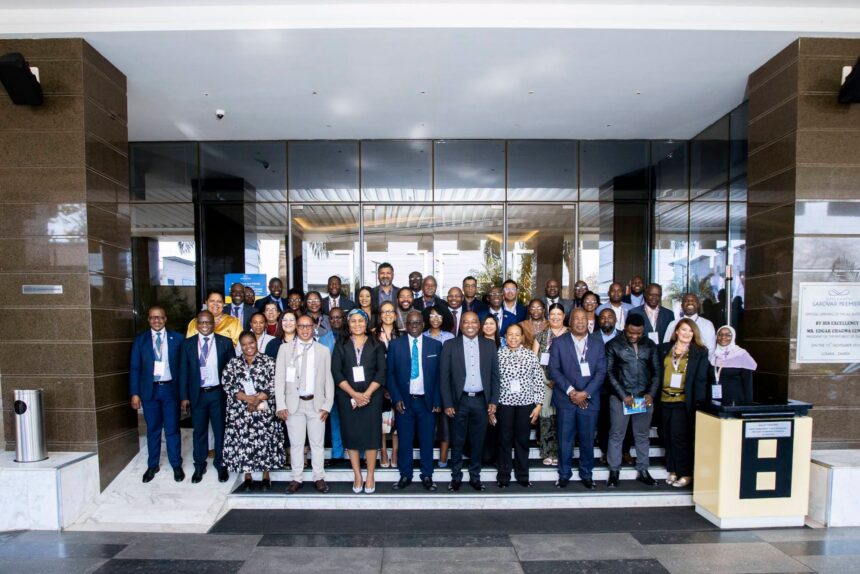
The authority is currently holding a three-day SADC Qualifications Framework Technical Working Group (TWG) Workshop aimed at examining guidelines that can support the recognition of qualifications and national occupational standards across the region. The workshop brings together stakeholders to consider how national qualifications frameworks can be better aligned with regional standards. Discussions are focused on practical mechanisms that can make qualifications easier to compare and recognise between SADC member states. The process is important because differences in national education and training systems can create uncertainty when employers, institutions or authorities assess qualifications obtained in another country. A more consistent regional approach could therefore reduce unnecessary barriers for graduates and skilled workers seeking opportunities beyond their home countries.
Speaking during the official opening of the workshop on Tuesday, Professor Zulu stressed the importance of ensuring that workers and qualifications can move within the SADC region without unnecessary obstacles. He described the work being undertaken at the workshop as important because qualification recognition directly affects the movement of people and skills. When qualifications are not easily recognised, graduates may have to undergo additional assessments before they can access employment or further education. This can increase costs and extend the time required for professionals to enter their chosen fields. Establishing clearer referencing guidelines could help address these difficulties while giving employers and education institutions greater confidence in qualifications issued across the region.
The issue of qualification recognition has become increasingly important as countries seek to strengthen regional integration and improve the movement of skilled labour. Workers often need to cross national borders to pursue employment, professional development or business opportunities. For this movement to work effectively, receiving countries need reliable ways to determine whether a qualification earned elsewhere meets their required standards. Without common referencing mechanisms, graduates can face uncertainty even when they have completed recognised programmes in their home countries. ZAQA’s call for revised guidelines is therefore linked to a wider effort to make regional mobility more efficient and ensure that qualifications have value beyond national borders.
The proposed improvements could have significant benefits for Zambian graduates who want to work or study elsewhere in SADC. A qualification that receives clear regional recognition can give graduates greater certainty when applying for jobs, professional registration or further studies. It can also help employers identify the level and relevance of qualifications obtained from another SADC country. This would reduce situations where graduates have to repeat assessments or provide extensive additional evidence to prove the value of their education. For young professionals in particular, a more predictable recognition process could make regional career opportunities more accessible.
The workshop is also examining national occupational standards, which are important in establishing the skills and competencies expected in particular occupations. Aligning these standards across countries can help create a clearer understanding of what workers are trained and qualified to do. This can support employers who recruit professionals from different SADC countries because they would have stronger reference points for assessing skills and competencies. It could also help education and training institutions develop programmes that respond more effectively to regional labour market requirements. The integration of qualifications and occupational standards can therefore contribute to a more coordinated approach to education, training and employment across SADC.
For Zambia, stronger regional recognition of qualifications could support the country’s skilled workforce and improve opportunities for graduates. Universities, colleges and technical and vocational education institutions produce graduates with knowledge and skills that can contribute to economic development both nationally and regionally. However, the benefits of that investment can be limited when qualifications face significant recognition barriers outside Zambia. Improving the referencing guidelines could help ensure that qualifications are presented in a way that allows other SADC countries to understand their level, content and expected competencies. This could strengthen the position of Zambian professionals in the regional labour market while also supporting greater cooperation between education and training institutions.
The proposed reforms could also contribute to broader SADC integration by making it easier for skills to move to areas where they are needed. Regional economies do not always have the same demand for particular occupations at the same time, so greater labour mobility can help address shortages and connect employers with qualified workers. However, mobility requires trust in the systems used to develop, assess and recognise qualifications. Common or better-aligned referencing guidelines can help build that trust by providing a clearer basis for comparing qualifications. This makes the technical work being discussed at the ZAQA workshop relevant not only to graduates but also to employers, training institutions and policymakers across the region.
The three-day Technical Working Group workshop provides an opportunity for participating stakeholders to examine the existing framework and identify areas that require improvement. Technical discussions of this nature may appear administrative, but their outcomes can have practical effects on the lives of graduates and workers. Changes to qualification referencing can influence whether a person is able to use their qualification when applying for employment, enrolling for further study or seeking professional opportunities in another SADC country. The process therefore needs to balance national standards with the broader objective of regional comparability. Effective implementation will also require cooperation among qualification authorities and other relevant institutions across member states.
ZAQA’s position highlights the importance of building an education and skills system that supports both national development and regional integration. Revising the referencing guidelines could remove some of the barriers currently faced by Zambian graduates when their qualifications are assessed in other SADC countries. At the same time, aligning national occupational standards can provide employers and institutions with clearer information about the competencies of workers from across the region. The goal is to create a system in which qualifications and workers can move more efficiently while maintaining confidence in the standards behind those qualifications. If the work underway at the SADC Qualifications Framework Technical Working Group Workshop leads to effective regional guidelines, it could mark an important step towards greater recognition of Zambian qualifications and stronger labour mobility across SADC.