







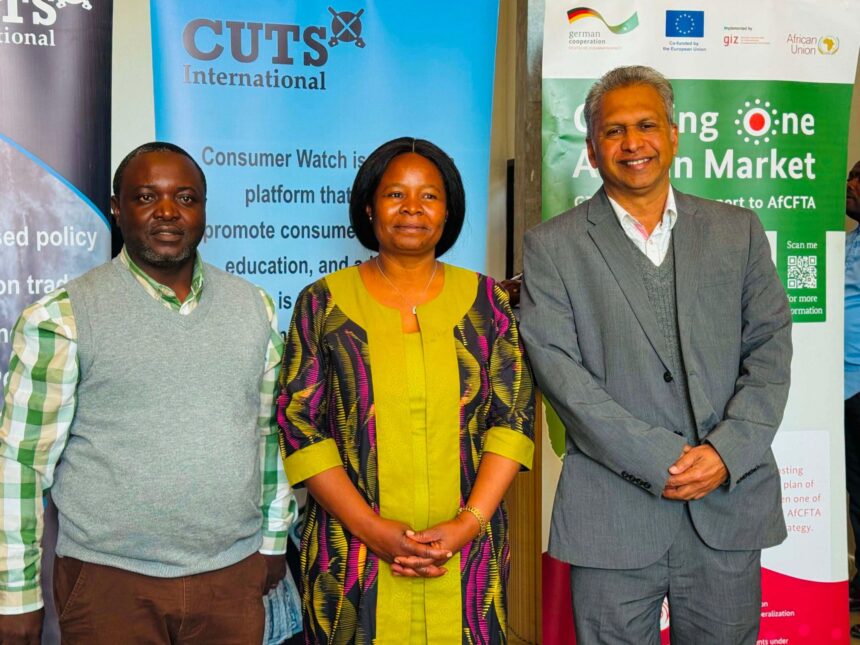
The Government of the Republic of Zambia has reaffirmed its commitment to empowering youth and women entrepreneurs by convening a high level capacity building workshop on trade facilitation aimed at improving export readiness for small and medium enterprises. The initiative is designed to help Zambian businesses take full advantage of the opportunities presented by the African Continental Free Trade Area, commonly known as the AfCFTA. The workshop was organised by the Consumer Unity and Trust Society International, also known as CUTS International, and GIZ in collaboration with the Ministry of Commerce, Trade and Industry. It brought together government officials, development partners, private sector representatives and entrepreneurs to discuss practical strategies for expanding market access across Africa. The event reflects Zambia’s growing focus on building a competitive private sector that can successfully participate in continental trade and contribute to long term economic growth.
The African Continental Free Trade Area represents one of the world’s largest free trade zones, bringing together more than 1.3 billion people across the African continent. By reducing trade barriers and encouraging the movement of goods and services between member states, the agreement creates significant opportunities for businesses to expand beyond their domestic markets. For Zambia, participation in the AfCFTA is expected to increase exports, strengthen regional value chains and improve the competitiveness of local industries. However, many small and medium enterprises require additional support to understand export procedures, meet international standards and navigate cross border trade requirements. The workshop was therefore organised to equip businesses with the knowledge and skills needed to compete effectively within the continental market.
Speaking during the official opening of the workshop, Permanent Secretary in charge of Commerce and Trade, Mrs. Lillian S. Bwalya, described the initiative as both timely and essential as Zambia works to maximise the benefits of the African Continental Free Trade Area. She noted that the agreement presents enormous opportunities for businesses seeking to access a much larger consumer market across Africa. According to Mrs. Bwalya, women and young people make up a significant proportion of Zambia’s population and have the potential to become key drivers of economic transformation. Despite their potential, many entrepreneurs continue to face barriers that limit their ability to participate fully in international trade. Addressing these challenges remains a priority for the Government as it seeks to promote inclusive and sustainable economic development.
Mrs. Bwalya highlighted several obstacles that continue to affect youth and women led businesses. She explained that limited access to finance, inadequate business development services, low levels of digital inclusion and various cross border trade barriers continue to hinder the growth of many enterprises. These challenges often prevent entrepreneurs from expanding their operations and accessing new markets despite producing quality goods and services. Improving access to information, financial support and trade facilitation services is therefore considered essential for strengthening the country’s small business sector. By addressing these issues, Zambia aims to create an environment where entrepreneurs can compete successfully at both regional and continental levels.
The Permanent Secretary also outlined a number of Government initiatives that are supporting Zambia’s participation in the African Continental Free Trade Area. Among these is the AfCFTA National Strategy, which provides a roadmap for increasing the country’s competitiveness and expanding export opportunities. She also highlighted the Border Management and Trade Facilitation Act No. 8 of 2025, which is intended to improve border efficiency and simplify trade procedures for businesses. In addition, the Government is working towards the ratification and domestication of the AfCFTA Protocol on Women and Youth in Trade. These policy measures demonstrate Zambia’s commitment to creating a supportive legal and institutional framework that enables more entrepreneurs to benefit from continental trade opportunities.
Mrs. Bwalya encouraged members of the private sector to place greater emphasis on product quality, standards and competitiveness if they are to succeed in export markets. She stressed that capacity building alone would not be enough without stronger connections to financial institutions, regulatory agencies and potential markets. According to her, entrepreneurs need practical support that enables them to convert newly acquired knowledge into successful business ventures. She also emphasised the importance of establishing and strengthening platforms that provide businesses with reliable trade information. Access to accurate market intelligence allows entrepreneurs to make informed decisions, identify investment opportunities and respond effectively to changing market conditions across Africa.
Consumer Unity and Trust Society Regional Director, Mr. Sajeev Nasir, expressed confidence that the initiative would contribute to mobilising investment and capital for key sectors of Zambia’s economy. He explained that the programme aligns closely with the objectives of the African Continental Free Trade Area by reducing trade barriers, strengthening regional value chains and increasing trade among African countries. According to Mr. Nasir, expanding intra African trade will create new opportunities for businesses while encouraging economic diversification across the continent. He also noted that women and youth entrepreneurs stand to benefit significantly because the initiative promotes greater inclusion in regional and continental markets. Strengthening the participation of these groups is expected to contribute to more balanced and sustainable economic growth throughout Africa.
Speaking on behalf of Dr. Barbara Rippel, Head of the GIZ Programme Support to the AfCFTA, GIZ Trade Policy Advisor Dr. Wisdom Kaleng’a reaffirmed the organisation’s commitment to supporting Zambia’s implementation of the African Continental Free Trade Area. He explained that since 2023, GIZ has worked closely with the Ministry of Commerce, Trade and Industry, CUTS International Zambia and private sector partners to strengthen institutional capacity and prepare businesses for continental trade. Dr. Kaleng’a described the workshop as an important milestone in helping local enterprises become export ready and more competitive. He commended CUTS International for its continued efforts to empower the private sector through practical training and business support initiatives. He further encouraged stakeholders to continue investing in capacity building as a foundation for long term economic development.
Dr. Kaleng’a also highlighted the growing importance of Trade in Services and digital trade within the African Continental Free Trade Area. He explained that digital technologies are transforming the way businesses operate by creating new opportunities for cross border commerce, innovation and entrepreneurship. Expanding digital trade can help small businesses overcome traditional barriers while allowing them to reach customers in multiple African markets. He noted that accelerated implementation of the AfCFTA has the potential to drive economic growth, create employment opportunities and reduce poverty, particularly among women and young people. These emerging areas of trade will play an increasingly important role in Africa’s economic integration and future competitiveness.
The capacity building workshop demonstrates Zambia’s determination to ensure that youth and women led small and medium enterprises are fully prepared to participate in the African Continental Free Trade Area. By strengthening export readiness, improving access to information and promoting collaboration between government, development partners and the private sector, the initiative lays the foundation for greater business success across the continent. Continued investment in training, supportive policies and market access will be essential for enabling entrepreneurs to compete effectively in regional and international markets. As Zambia advances its implementation of the AfCFTA, initiatives such as this workshop will help unlock new trade opportunities, stimulate investment and encourage inclusive economic growth. The Government’s commitment to empowering youth and women entrepreneurs positions the country to benefit from the expanding African market while supporting sustainable development and long term prosperity.