



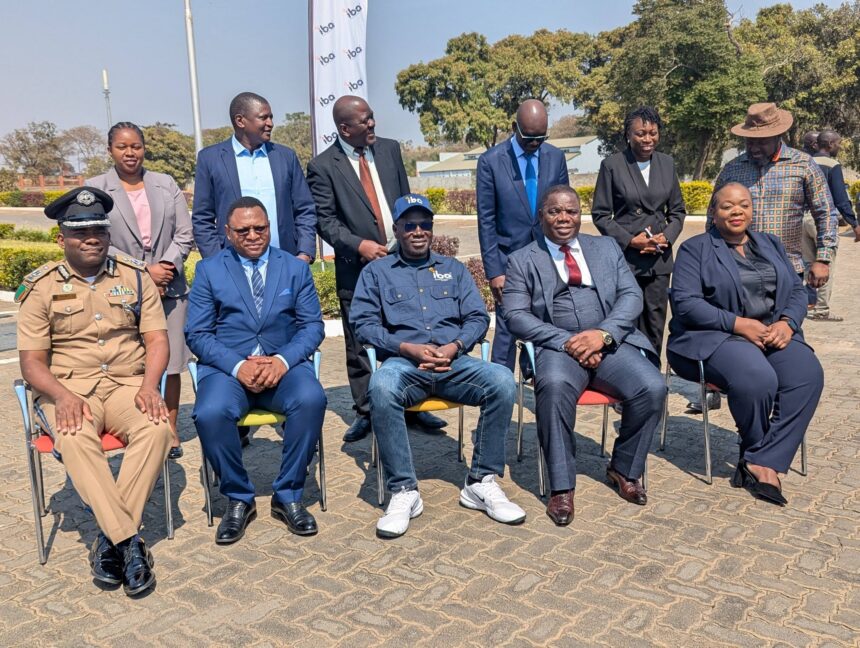
The Government of Zambia has called on journalists to uphold high standards of accuracy, ethics and responsibility as the country prepares for the 13 August 2026 General Election. Information and Media Permanent Secretary Mr. Thabo Kawana delivered this message during the official opening of the final Media and Elections Capacity Building Workshop organised by the Independent Broadcasting Authority for Copperbelt broadcasting stations in Ndola. The workshop forms part of ongoing efforts to strengthen the capacity of media practitioners and ensure that citizens receive reliable information during the electoral period. With elections approaching, the role of the media in providing factual, balanced and responsible reporting remains critical to maintaining public confidence in democratic processes. The engagement highlighted the importance of professional journalism in supporting informed participation and promoting a credible electoral environment.
Mr. Kawana emphasised that journalists have a significant responsibility to provide citizens with credible, factual and balanced information, especially during elections when misinformation can easily affect public trust. He explained that inaccurate reporting, unverified information and sensational coverage can create confusion among voters and negatively influence perceptions of the electoral process. The Permanent Secretary urged media practitioners to ensure that facts come before opinions, verification comes before publication and responsibility comes before sensationalism. He noted that professional journalism is essential for helping citizens make informed decisions based on accurate information. By maintaining strong ethical standards, journalists can contribute to peaceful elections and strengthen confidence in Zambia’s democratic institutions.
The Media and Elections Capacity Building Workshop was designed to equip broadcasting professionals with the knowledge and skills required to handle election-related reporting effectively. The programme provided an opportunity for journalists to improve their understanding of electoral processes, media ethics, legal responsibilities and the importance of balanced coverage. Mr. Kawana encouraged participants to treat the knowledge gained from the programme as a lasting professional standard rather than a temporary requirement linked only to the election period. He stressed that ethical reporting should remain central to journalism practice beyond the 2026 General Election. The training reflects broader efforts to ensure that Zambia’s media sector continues to play a constructive role in national development.
Mr. Kawana also reminded journalists that while they enjoy the same constitutional rights as every other citizen, they are equally subject to the same legal obligations. He explained that Zambia does not have any law that grants journalists special legal status or exemptions from laws that apply to all citizens. The Permanent Secretary encouraged media practitioners to understand the legal framework within which they operate and to ensure that their work complies fully with national laws. He noted that responsible journalism requires both an understanding of press freedoms and awareness of professional and legal responsibilities. This balance is important for protecting freedom of expression while ensuring that media activities contribute positively to society.
The Permanent Secretary further highlighted the importance of maintaining public trust during the election period. He stated that the professionalism of journalists will play a key role in promoting informed citizen participation and enhancing the credibility of the electoral process. Elections depend not only on the actions of political parties and electoral institutions but also on the quality of information available to voters. A responsible media environment helps citizens understand issues, evaluate different viewpoints and participate meaningfully in democratic processes. Journalists who prioritise accuracy, fairness and verification can help prevent the spread of misinformation and encourage constructive public dialogue.
Mr. Kawana reaffirmed the Government’s commitment to media freedom and democratic governance in Zambia. He pointed to the Access to Information Act as an important milestone in expanding access to information and strengthening the media’s watchdog role. The legislation provides a framework that supports transparency and allows journalists and citizens to access information necessary for public accountability. According to the Permanent Secretary, a free and responsible media sector remains an important pillar of democracy. He encouraged journalists to use available opportunities to access information responsibly and contribute to greater openness in public affairs.
The Independent Broadcasting Authority’s capacity building programme demonstrates the importance of preparing media practitioners for the unique challenges associated with election coverage. Broadcasting stations play a particularly influential role because radio and television remain major sources of information for many communities across Zambia. Ensuring that journalists understand election reporting principles, ethical standards and legal requirements is essential for maintaining public confidence. The workshop also provides an opportunity for broadcasters to share experiences and strengthen professional networks ahead of the election period. These efforts support the development of a media environment that can effectively serve citizens during one of the country’s most important democratic events.
As Zambia moves closer to the 2026 General Election, the call for responsible journalism continues to gain importance. The media has the ability to shape public understanding, encourage participation and promote accountability when it operates with professionalism and integrity. Mr. Kawana’s message serves as a reminder that journalists must remain committed to truth, fairness and ethical conduct throughout the electoral process. The skills and knowledge gained through the Media and Elections Capacity Building Workshop are expected to guide broadcasting professionals in delivering accurate and responsible coverage. Strengthening election reporting standards will contribute to a more informed electorate and support the continued growth of Zambia’s democratic system.