






The Ministry of Tourism has welcomed the renewal of a long-term partnership between the Government of the Republic of Zambia, the Barotse Royal Establishment (BRE) and African Parks for the collaborative management of Liuwa Plain National Park. The renewed agreement marks another important chapter in a conservation initiative that has protected one of Zambia’s most ecologically significant landscapes for nearly 25 years. Beyond safeguarding wildlife and natural habitats, the partnership continues to promote sustainable community development and responsible tourism. It reflects a shared commitment to preserving Zambia’s rich biodiversity while ensuring that local communities benefit from conservation efforts. The renewed collaboration also reinforces Zambia’s position as a leader in sustainable conservation across the African continent.
One of the key aspects of the renewed mandate is its extension to include a portion of the Upper West Zambezi Game Management Area (GMA). This area forms an essential part of the broader Liuwa ecosystem and plays a critical role in maintaining important wildlife migration corridors. Among its greatest ecological features is its support for Africa’s second-largest wildebeest migration, a spectacular natural event that attracts conservationists, researchers and tourists from around the world. Protecting these migration routes is essential for maintaining healthy wildlife populations and preserving the natural balance of the ecosystem. The expanded conservation area also strengthens efforts to safeguard endangered species and protect habitats that are increasingly threatened by environmental pressures.
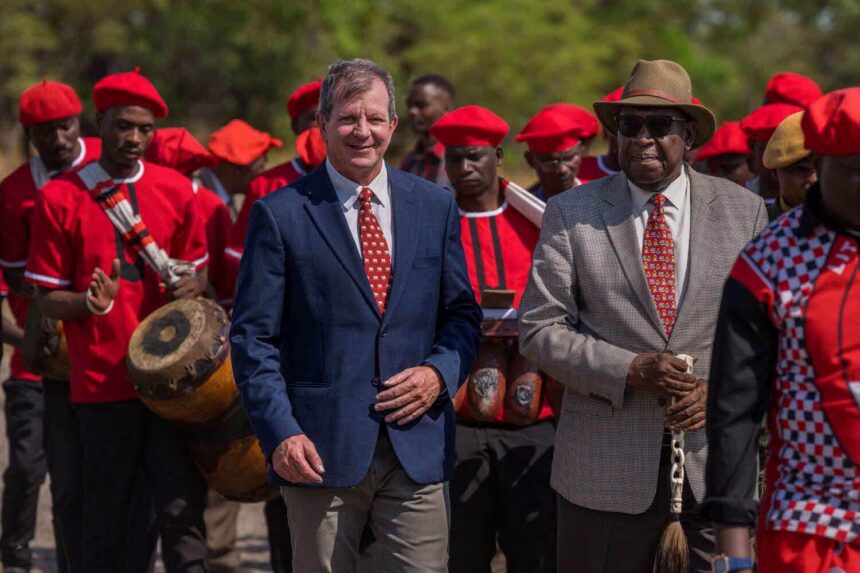
The partnership has deep cultural significance for the people of Western Zambia, particularly the Lozi community, whose historical connection to Liuwa Plain stretches back generations. His Majesty the Litunga Lubosi Imwiko II reaffirmed the Barotse Royal Establishment’s unwavering commitment to preserving this treasured landscape. He emphasized that Liuwa has always been an integral part of Lozi history, culture and identity, highlighting the responsibility shared by present generations to protect it for the future. His remarks underscored the important role of traditional leadership in modern conservation initiatives. By recognizing the Lozi people as custodians of the land, the partnership combines indigenous knowledge with modern conservation practices to create a stronger and more inclusive management approach.
The Government of Zambia has also reaffirmed its dedication to ensuring that conservation contributes directly to national development. Permanent Secretary in the Ministry of Tourism, Mr. Evans Muhanga, stated that the renewed agreement reflects a collective commitment to protecting one of Zambia’s most valuable protected areas while supporting economic growth and community wellbeing. His comments highlighted the growing recognition that environmental conservation and sustainable development are closely connected. Well-managed protected areas not only conserve biodiversity but also create employment opportunities, support local businesses and strengthen tourism revenues. Through continued collaboration, Zambia aims to ensure that conservation delivers long-term social and economic benefits alongside environmental protection.
African Parks Chief Executive Officer Peter Fearnhead described the renewed agreement as one of the organization’s most meaningful conservation achievements. He noted that few landscapes in Africa possess a conservation history as deeply rooted as that of Liuwa Plain. According to Fearnhead, the area’s legacy spans from King Lewanika, who declared the plains a wildlife sanctuary in the late nineteenth century, to His Majesty the Litunga Lubosi Imwiko II, who chose nearly 25 years ago to continue that vision through a formal conservation partnership. He expressed gratitude for the opportunity to work alongside the Government of Zambia, the Barotse Royal Establishment and local communities throughout this remarkable journey. His remarks reflected the strong trust and cooperation that have become the foundation of the partnership’s long-term success.
Over the past two decades, the partnership has produced impressive conservation achievements that have transformed Liuwa Plain National Park. Wildlife populations that once faced significant challenges have recovered, allowing iconic species such as lions, cheetahs, African wild dogs and hyenas to thrive once again. Restoration efforts have strengthened ecological processes, helping the park regain its status as one of Zambia’s most important natural ecosystems. In addition to protecting wildlife within Liuwa, the park has become a valuable source of animals for restoration projects in other protected areas across Zambia. These achievements demonstrate how long-term conservation planning can successfully restore ecosystems while supporting broader national biodiversity goals.
The partnership has also generated meaningful benefits for surrounding communities through sustainable development initiatives. Employment opportunities created by park management, conservation activities and tourism have helped improve household incomes and create new career paths for local residents. Education programs have expanded environmental awareness while providing valuable learning opportunities for young people living near the park. Community enterprise development has supported local businesses and encouraged entrepreneurship linked to conservation and tourism. At the same time, traditional resource rights have been respected and strengthened, ensuring that local communities remain active participants in managing and benefiting from the landscape they have long protected.
The continued success of Liuwa Plain National Park also strengthens Zambia’s growing reputation as a premier destination for sustainable tourism. Travelers increasingly seek authentic wildlife experiences that contribute positively to conservation and local communities. Liuwa offers visitors the opportunity to experience one of Africa’s most remarkable ecosystems while supporting responsible tourism practices that protect nature and create lasting economic opportunities. The park’s spectacular landscapes, abundant wildlife and world-famous wildebeest migration make it one of Zambia’s most unique tourism attractions. Continued investment in conservation ensures that these natural assets remain protected for future generations of visitors and residents alike.
The Ministry of Tourism has commended the Barotse Royal Establishment, African Parks, local communities and all conservation partners for their dedication to protecting Liuwa Plain National Park over the past quarter century. The renewed partnership represents far more than an administrative agreement, as it reflects a shared vision for balancing conservation, cultural heritage and sustainable development. By combining government leadership, traditional stewardship and international conservation expertise, the partnership continues to deliver lasting environmental, social and economic benefits. As Zambia strengthens its commitment to preserving its natural heritage, Liuwa Plain National Park stands as a powerful example of how collaboration can safeguard biodiversity while improving community wellbeing. The renewed agreement ensures that this remarkable landscape will continue to thrive as both a conservation success story and a symbol of sustainable tourism in Africa.