


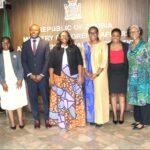





The Government of Zambia has reaffirmed its commitment to strengthening the country’s cosmetology industry, recognizing it as a powerful contributor to job creation, entrepreneurship and economic development. As the beauty sector continues to expand, it is becoming an increasingly important part of Zambia’s economy by creating employment opportunities and supporting thousands of small businesses. Government leaders believe that continued investment in the industry will not only improve business growth but also contribute to inclusive economic transformation across the country. This commitment was highlighted during the official opening of the Zambia Cosmetology Expo 2026 held at ZCAS University in Lusaka. The event brought together industry professionals, entrepreneurs, educators and policymakers to discuss the future of Zambia’s growing beauty sector and the opportunities it presents.
Speaking during the official opening ceremony, Permanent Secretary in the Ministry of Commerce, Trade and Industry, Ms. Lillian Bwalya, described the cosmetology industry as a multi-billion kwacha sector that plays a significant role in supporting livelihoods and enterprise development. She explained that the beauty industry has evolved considerably over the years, moving beyond its traditional perception as part of the informal economy. Today, cosmetology represents a vibrant and expanding business sector that provides employment for thousands of Zambians while creating opportunities for entrepreneurship. The industry’s rapid growth reflects changing consumer demand, increasing professionalism and the willingness of entrepreneurs to invest in quality services. According to Ms. Bwalya, the Government recognizes the importance of creating an enabling environment that allows the sector to continue expanding while contributing to national economic goals.
One of the key themes highlighted during the expo was the critical role the cosmetology sector plays in creating employment, particularly for women and young people. Ms. Bwalya noted that salons, barbershops and other beauty businesses have become important sources of income for many families across Zambia. These businesses not only employ skilled professionals but also provide valuable training opportunities for individuals entering the workforce. Many beauty entrepreneurs begin with small operations before expanding into successful enterprises that employ multiple workers and serve growing customer bases. This demonstrates how the industry has become an effective pathway for self-employment and business ownership, especially for those seeking opportunities outside traditional formal employment.
The Permanent Secretary also emphasized the importance of Micro, Small and Medium Enterprises in driving Zambia’s economic development. She pointed out that MSMEs account for approximately 90 percent of all businesses operating in Zambia and generate more than half of the country’s employment. Within this broader business landscape, cosmetology enterprises make an important contribution by supporting local economies and creating sustainable jobs. Hair salons, barber shops, nail studios and beauty clinics purchase supplies from local distributors, pay rent, contribute taxes and support other sectors through their daily operations. Their success has a ripple effect that benefits suppliers, manufacturers, transport providers and numerous other businesses connected to the beauty value chain. This makes the cosmetology industry an essential component of Zambia’s broader enterprise development strategy.
Women’s economic empowerment remains one of the strongest arguments for continued investment in the cosmetology industry. Ms. Bwalya observed that the majority of salon owners across Zambia are women who have successfully built businesses that support their families and communities. By strengthening the beauty sector, the Government is also strengthening women-owned enterprises and promoting greater financial independence among female entrepreneurs. Increased earnings from these businesses improve household incomes, create employment opportunities for others and contribute to broader social and economic development. Supporting women entrepreneurs through better policies, improved access to finance and professional training can therefore have a lasting positive impact on communities across the country. The Government believes that empowering women through entrepreneurship remains an important pillar of inclusive national development.
While celebrating the industry’s growth, the Government also stressed the need to maintain high standards of professionalism, hygiene and consumer protection. Ms. Bwalya warned that poor hygiene practices in beauty establishments can expose customers to preventable health risks, while counterfeit beauty products may cause serious harm to consumers. She reaffirmed the Government’s commitment to protecting public health while ensuring that legitimate businesses continue to thrive. Strong regulatory standards help build consumer confidence and encourage the use of certified products and qualified professionals. By promoting good business practices and enforcing safety regulations, the cosmetology industry can strengthen its reputation while improving service quality across the country.
Access to finance was identified as one of the biggest challenges preventing many beauty entrepreneurs from expanding their businesses. Many salon owners struggle to secure affordable loans needed to purchase equipment, renovate premises or increase inventory because financial products are often not designed with their businesses in mind. Ms. Bwalya called on financial institutions and business development service providers to develop financing solutions tailored specifically to the needs of cosmetology entrepreneurs. Improved access to funding would enable businesses to modernize their operations, employ more staff and increase their competitiveness. Affordable financial support would also encourage more entrepreneurs to formalize their businesses, allowing them to benefit from additional government support and participate more fully in the formal economy.
The Permanent Secretary also highlighted the importance of modern education and skills development in supporting the future growth of Zambia’s cosmetology industry. She encouraged training institutions to update their programmes so that graduates are equipped with the latest technical skills, business knowledge and industry best practices. As beauty trends, technologies and customer expectations continue to evolve, training providers must ensure that students receive practical education that reflects current market demands. Modern training can improve service quality, strengthen professionalism and help businesses remain competitive both locally and internationally. Investing in education will also prepare the next generation of cosmetologists to build successful enterprises that contribute to Zambia’s economic development.
The Zambia Cosmetology Expo 2026 demonstrated the growing importance of the beauty industry as a driver of entrepreneurship, employment and inclusive economic growth. The Government’s commitment to supporting the formalisation and professionalisation of the sector reflects its recognition of cosmetology as a valuable contributor to Zambia’s economy. Through stronger partnerships with financial institutions, training providers and industry stakeholders, the country has an opportunity to unlock even greater potential within the beauty sector. Continued investment in skills development, consumer protection and business support will help create a more competitive and sustainable industry. As Zambia continues to promote women-owned businesses, youth entrepreneurship and enterprise development, the cosmetology sector is well positioned to play an even greater role in the country’s long-term economic transformation.