






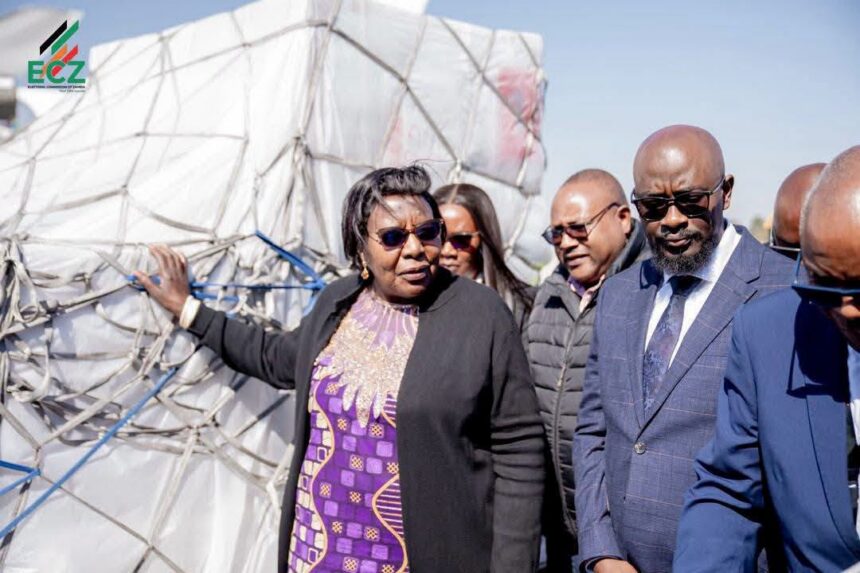
Zambia has reached another important milestone in its preparations for the 2026 General Election following the arrival of the first consignment of ballot papers in the country. The shipment landed at Kenneth Kaunda International Airport in Lusaka at approximately 09:00 hours after being transported from Dubai. The arrival of the ballot papers marks a significant step in the electoral process and demonstrates continued progress toward ensuring that the country is ready to conduct a smooth, credible and well-organized election. Election materials are among the most critical components of any democratic process, and their timely delivery allows electoral authorities to proceed with the next stages of preparation. The development is expected to strengthen confidence that the logistical arrangements for the upcoming polls are advancing according to schedule.
The transportation of ballot papers is one of the most carefully managed aspects of election planning because it involves materials that are essential to protecting the integrity of the voting process. Every stage, from printing and transportation to storage and eventual distribution, is carried out under strict procedures designed to safeguard the security and authenticity of the ballots. The arrival of the first consignment provides electoral officials with the opportunity to begin verifying the shipment, confirming quantities and ensuring that all materials meet the required standards before they are distributed across the country. Such procedures help maintain transparency while minimizing the risk of errors or delays ahead of election day. Careful handling of election materials is also important for building public trust in the credibility of the electoral process.
Kenneth Kaunda International Airport played a central role in receiving the shipment, with the ballot papers arriving safely in Lusaka from Dubai during the morning. The successful delivery reflects the coordination required between aviation authorities, customs officials, election administrators and security agencies to ensure that sensitive election materials are transported without incident. Once received, the ballot papers are expected to undergo inspection and secure storage before being distributed to various parts of Zambia. Proper storage and controlled access are essential to preserving the integrity of the materials until they are needed for voting. These measures form part of broader election management practices aimed at ensuring fairness, accountability and transparency throughout the electoral process.
The arrival of the ballot papers also highlights the extensive planning that takes place long before citizens cast their votes. Organizing a national election requires months of preparation, including voter registration, verification of the voters’ roll, procurement of election materials, training of election officials and public voter education campaigns. Ballot papers are among the final physical materials to be prepared because they must accurately reflect the list of candidates and comply with electoral regulations. Once they arrive in the country, election officials can continue with packaging, quality assurance and logistical planning to ensure that each polling station receives the correct quantity of materials. Efficient coordination during this stage helps reduce the likelihood of disruptions when voting begins.
As the election date approaches, the distribution of ballot papers will become another critical phase of the electoral process. Zambia’s diverse geography requires detailed logistical planning to ensure that both urban and rural polling stations receive election materials on time. Transporting ballot papers safely across long distances involves close cooperation between election authorities, transport providers and security personnel. Timely distribution helps guarantee that every eligible voter has the opportunity to participate in the democratic process without unnecessary delays. Effective logistics are particularly important in ensuring equal access to voting across all provinces and communities.
Transparent management of election materials remains a key element in strengthening public confidence in democratic institutions. Citizens, political parties, election observers and other stakeholders closely monitor every stage of the electoral process to ensure that it is conducted fairly and in accordance with established laws and procedures. The secure handling of ballot papers, combined with clear communication from electoral authorities, helps reinforce trust in the integrity of the election. Accountability throughout the process also demonstrates the commitment to protecting every vote and ensuring that election results accurately reflect the will of the people. These principles remain fundamental to maintaining peaceful, credible and inclusive elections.
The arrival of the first consignment of ballot papers is an important indicator that preparations for Zambia’s 2026 General Election are progressing steadily. While additional logistical activities remain before polling day, receiving these essential election materials represents meaningful progress in the country’s electoral calendar. Continued coordination among election officials, government agencies and other stakeholders will be necessary to ensure that every remaining stage is completed efficiently and transparently. As preparations continue, the focus will remain on delivering an election that is secure, well-organized and accessible to all eligible voters. The successful arrival of the first shipment of ballot papers therefore marks another significant step toward ensuring that Zambia is fully prepared for a credible and democratic 2026 General Election.