





The Ministry of Commerce, Trade and Industry, in partnership with the World Trade Organization Secretariat, held a two-day Trade Policy Review Dissemination Workshop in Lusaka to share key findings from Zambia’s Fifth Trade Policy Review. The session aimed to strengthen understanding of the country’s trade policy framework and improve coordination among national stakeholders. It also provided a platform to reflect on how Zambia’s trade systems align with global rules under the multilateral trading system. The discussions focused on transparency, policy coherence and long-term trade competitiveness. The workshop brought together government officials, technical experts and development partners to assess progress and identify areas for reform.
The workshop took place from 2 to 3 June 2026 following Zambia’s successful Fifth Trade Policy Review held in Geneva on 23 and 25 September 2025. As a Least Developed Country member of the World Trade Organization, Zambia undergoes this review every seven years to assess its trade policies and implementation record. The review process evaluates how national policies interact with obligations under the multilateral trading system. It also examines broader economic and structural developments that affect trade performance. This cycle helps members understand how policy decisions shape integration into global markets.
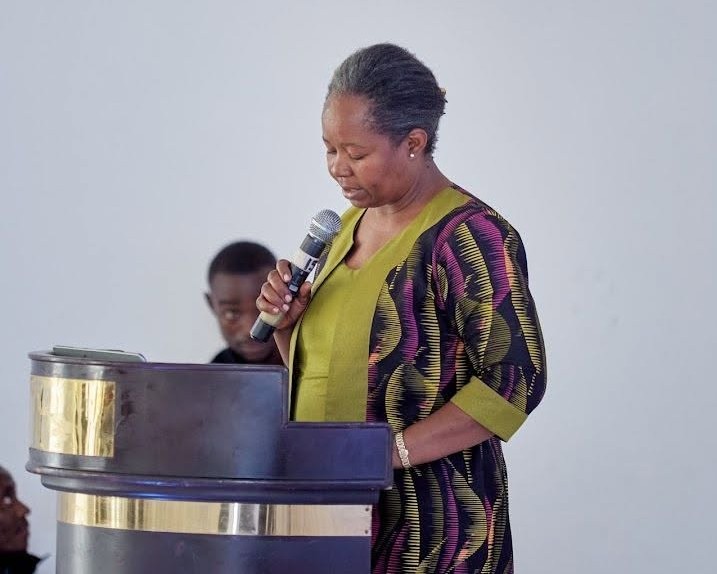
Permanent Secretary in charge of Commerce and Trade, Ms Lillian S. Bwalya, emphasized that the Trade Policy Review Mechanism remains a key obligation for all WTO members. She explained that it places transparency at the center of a predictable and stable global trading system. The mechanism allows members to examine national trade policies in relation to agreed multilateral rules. Ms Bwalya noted that it also serves as an internal monitoring tool that highlights structural bottlenecks and implementation gaps. She stressed that the process is not designed for enforcement or dispute settlement but for improving understanding and policy alignment.
During the review process, WTO members submitted a total of 165 questions to Zambia, reflecting strong engagement with the country’s trade regime. Of these, 109 questions were submitted in advance while 56 came after the deadline. Zambia responded to all questions within the required timeframes through coordinated efforts across government institutions and technical teams. The dissemination workshop was designed to strengthen domestic coordination and ensure that insights from the review inform future policy decisions. It also created space to explore institutional improvements that can support more efficient trade governance. These efforts reflect Zambia’s commitment to accountability within the global trading system.
Counsellor Michael Roberts from the WTO Trade Policy Review Division praised Zambia for maintaining an open and predictable trade environment despite major shocks between 2017 and 2025. These challenges included debt distress, the COVID-19 pandemic and severe drought conditions. He noted that although these pressures delayed Zambia’s graduation from Least Developed Country status, recent macroeconomic stabilization has improved the outlook. Support from the International Monetary Fund through an Extended Credit Facility programme has contributed to renewed growth momentum. Roberts also highlighted reforms in investment policy, digital government services and regional trade integration across Common Market for Eastern and Southern Africa and Southern African Development Community. He pointed to trade facilitation improvements such as one stop border posts and electronic single window systems that now cover about 60 percent of imports. The workshop concluded with a shared view that Zambia’s trade reforms are strengthening its position as a reliable regional and global trading partner.