



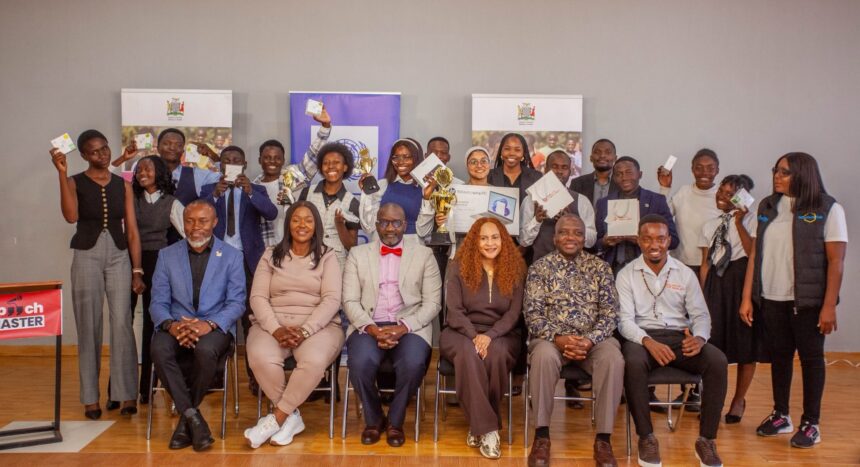
The United Nations Development Programme (UNDP), in partnership with the Master Chimbala Foundation, has recognized Zambia’s Tobacco Control Champions and Speech Masters finalists in a celebration that highlights the growing role of young leaders in public health advocacy. The initiative brings together students who have used public speaking and community engagement to promote healthier lifestyles and raise awareness about the dangers of tobacco use. The event reflects a wider commitment to empowering youth to take active roles in shaping health outcomes in their communities. Through structured programmes and mentorship, these young champions are being equipped to influence change beyond the classroom. The recognition also signals growing investment in youth-led health advocacy across Zambia.
At the center of this initiative is the Health4Life Project, which focuses on equipping young people with knowledge, practical skills and platforms to become advocates for healthier living. The programme encourages students to speak openly about tobacco control, prevention and the long-term impact of unhealthy habits. It also strengthens their confidence in public speaking and leadership, preparing them to engage with peers, teachers and community members. By combining education with advocacy, the project ensures that young people are not only informed but also active participants in promoting behavioural change. This approach is designed to create long-term impact in schools and surrounding communities.
The Tobacco Control Champions and Speech Masters finalists represent a growing network of youth leaders who are using their voices to address public health challenges. These students have participated in competitions, debates and awareness campaigns that focus on reducing tobacco use and promoting healthier choices. Their work highlights the power of peer influence in shaping attitudes among young people. Many of the participants have taken their messages beyond formal events, engaging in school clubs and local outreach activities. This level of involvement demonstrates how youth-led initiatives can extend their reach into everyday environments where habits and behaviours are formed.
UNDP’s collaboration with the Master Chimbala Foundation has played a key role in strengthening the impact of the Health4Life Project. The partnership has provided resources, mentorship and platforms for young people to develop their advocacy skills. It has also ensured that tobacco control messages are delivered in ways that are relatable and accessible to youth audiences. The involvement of experienced partners has helped structure the programme in a way that balances education with practical action. As a result, participants are gaining both confidence and competence in addressing public health issues.
As the champions graduate from the programme, they are expected to carry forward the knowledge and skills gained into their communities. Their role as advocates positions them to influence peers and contribute to healthier decision-making among young people. The initiative emphasizes sustainability, ensuring that the impact continues beyond the training period. Graduates are encouraged to remain active in health promotion activities and to serve as role models in their schools. This transition from learners to leaders is central to the long-term vision of the programme.
The celebration of these young leaders highlights Zambia’s growing commitment to youth empowerment and public health education. By focusing on tobacco control, the programme addresses a major health risk while also building leadership capacity among students. The combination of advocacy, education and mentorship creates a strong foundation for lasting change. As these champions move forward, they represent a generation that is increasingly aware of its role in shaping healthier communities. Their voices continue to contribute to a broader movement toward a tobacco-free and more resilient Zambia.