







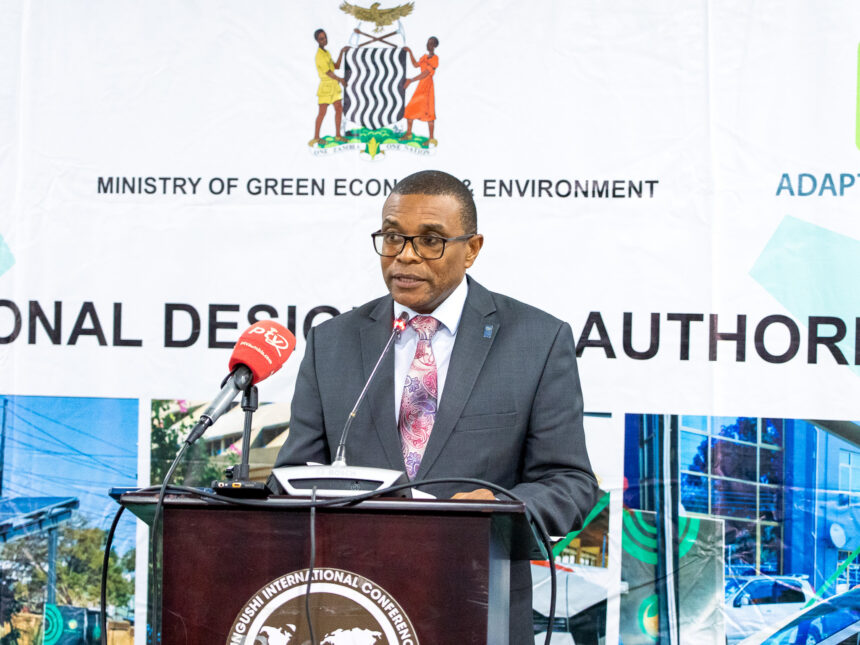
Zambia has taken a decisive step toward transforming its transport sector with the launch of the Catalysing Zambia’s Transition to E-Mobility project. The initiative, announced in collaboration with the Ministry of Green Economy and Environment and key partners, aims to modernize mobility while addressing environmental and social priorities. By promoting electric vehicles and clean transport solutions, the project seeks to improve air quality, reduce greenhouse gas emissions, and support Zambia’s commitments under the Nationally Determined Contributions. The launch reflects a growing recognition that sustainable transport is essential for resilient cities, healthier communities, and long-term economic growth. This initiative positions Zambia at the forefront of green mobility in the region and signals a commitment to cleaner, smarter urban development.
The project focuses on multiple strategic objectives, including reducing net emissions through the adoption of electric vehicles and supporting clean energy infrastructure. By transitioning to e-mobility, Zambia expects to lower air pollution in urban centers, improving health outcomes for residents. The initiative also aims to stimulate job creation in green sectors, offering opportunities in vehicle manufacturing, charging infrastructure, and maintenance services. Collaboration between government, private sector, and development partners ensures that technical expertise, funding, and policy support are aligned to maximize impact. This integrated approach strengthens the potential for long-term sustainability, making clean transport accessible and reliable for communities across the country.
Beyond environmental benefits, the e-mobility project is designed to contribute to Zambia’s economic transformation. Investment in clean transport technologies can attract new industries and create high-skill employment opportunities, fostering innovation and local expertise. By promoting electric vehicles and renewable energy solutions, the project aligns with broader goals to reduce dependence on fossil fuels and encourage sustainable energy use. It also sets a foundation for resilient urban planning, integrating smart mobility solutions with public transport networks to enhance efficiency and accessibility. The project demonstrates that environmental responsibility and economic development can advance simultaneously, supporting Zambia’s transition toward a green economy.
The initiative further strengthens Zambia’s commitment to global climate action and sustainable development goals. By reducing emissions, promoting clean energy, and fostering green jobs, the country contributes directly to international targets on climate change mitigation and sustainable cities. Public engagement and community involvement are key to the project’s success, ensuring that the benefits of cleaner transport reach residents and improve quality of life. This holistic approach also enhances Zambia’s credibility in climate partnerships and opens doors for future international collaboration and investment. The project is a practical example of how national priorities can be integrated with global sustainability objectives for maximum impact.
The Catalysing Zambia’s Transition to E-Mobility project represents a landmark step in creating a sustainable, low-carbon transport system. By combining environmental, economic, and social objectives, Zambia is laying the groundwork for cleaner cities, healthier communities, and long-term resilience. Government leadership, private sector participation, and development partner support provide a strong foundation for implementation and scaling. As the country advances toward greener mobility solutions, the project will serve as a model for sustainable transport in Southern Africa. This initiative signals that Zambia is serious about building a sustainable future while embracing innovation, clean energy, and inclusive growth.