







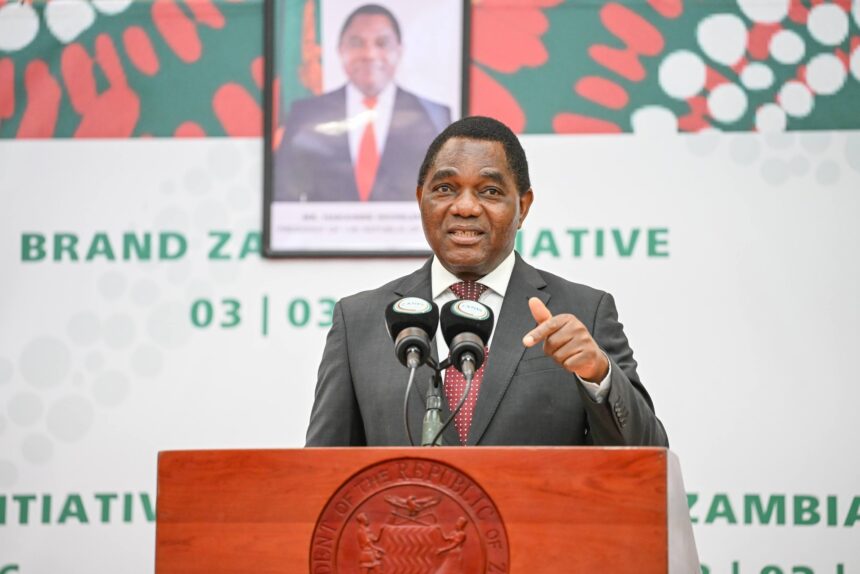
Zambia and Japan have taken another step toward deepening their economic partnership following the successful hosting of the Zambia Japan Business Forum in Lusaka. The event brought together 21 Japanese investors, senior government officials, and leaders from Zambia’s private sector to explore new opportunities for trade and investment. The forum reflects the growing economic cooperation between the two nations and highlights Zambia’s commitment to attracting international investors. It also builds on progress made during President Hakainde Hichilema’s state visit to Japan in February 2025, which opened new channels for collaboration between the two countries. By hosting the forum, Zambia demonstrated its intention to strengthen diplomatic and economic ties with Japan while encouraging long term business partnerships.
Minister of Commerce, Trade and Industry Chipoka Mulenga officiated at the event and described the forum as a major milestone in advancing trade and investment relations between Zambia and Japan. He emphasized that Japan has remained a reliable development partner for Zambia over many years. According to the minister, the recently signed Bilateral Investment Treaty represents a key instrument that will strengthen investor confidence and support the expansion of business cooperation between the two countries. The agreement provides an important framework that protects investors while creating conditions for private sector driven growth. Mulenga noted that such initiatives are essential for Zambia’s broader strategy of expanding international trade and promoting industrial development.
The Zambia Development Agency also used the forum to highlight the country’s strong investment potential across several priority sectors. Director General Albert Halwampa encouraged the visiting Japanese delegation to explore partnerships in energy, manufacturing, agriculture, mining, and transport. He explained that Zambia’s political stability and ongoing pro business reforms continue to improve the country’s investment environment. In addition, Zambia offers access to large regional markets through membership in the Southern African Development Community, the Common Market for Eastern and Southern Africa, and the African Continental Free Trade Area. These advantages position Zambia as a strategic gateway for investors seeking to expand their presence within the African market.
Zambia’s Ambassador to Japan, Dr. Tobias Mulimbika, also addressed participants at the forum and emphasized the importance of maintaining the momentum created during President Hakainde Hichilema’s visit to Japan. He explained that several commitments were made during the visit to strengthen trade relations and encourage increased Japanese investment in Zambia. According to the ambassador, the successful organization of the business forum demonstrates that diplomatic engagements can produce tangible economic outcomes. He encouraged both Zambian and Japanese businesses to take advantage of the relationships formed during the event to develop lasting commercial partnerships. Such collaborations are expected to contribute to economic growth and industrial expansion in Zambia.
Japanese Ambassador to Zambia Mikami Akiteru highlighted the forum as an important platform for strengthening cooperation between the two nations. He noted that the event provided an opportunity for investors and policymakers to move beyond traditional frameworks and explore new areas of economic collaboration. The discussions focused on building practical partnerships that can support development while benefiting businesses from both countries. Through continued dialogue and investment engagement, Japan and Zambia aim to unlock new opportunities that support economic growth, job creation, and technology exchange.
The Zambia Japan Business Forum has therefore emerged as a significant step in strengthening economic ties between the two countries. By bringing together government leaders, investors, and private sector representatives, the event created an environment for meaningful discussions and potential investment agreements. Zambia continues to position itself as an attractive destination for international investors through policy reforms, regional market access, and strategic partnerships. For Japan, the growing relationship offers opportunities to expand investment and collaborate in key sectors of Zambia’s economy. As both nations continue to build on this partnership, the outcomes of the forum may lead to increased investment flows and stronger economic cooperation in the years ahead.