


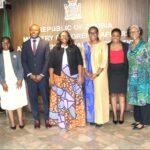





Zambia’s Ambassador to Japan, Dr Tobias Mulimbika, has announced the arrival of a 21-company Japanese delegation in the country to explore business partnerships and investment opportunities. The delegation includes major corporations such as Mitsubishi and Hitachi, among others, and aims to strengthen bilateral economic ties between the two nations. The visit underscores Zambia’s strategic efforts to attract foreign investment and diversify its economic base, particularly in sectors critical for sustainable development. Ambassador Mulimbika highlighted that the delegation’s focus spans agriculture, mining, energy, transport, and infrastructure, areas where Japanese expertise and technology can significantly enhance Zambia’s growth trajectory. The engagement also reflects Zambia’s continued commitment to creating a conducive environment for foreign direct investment through dialogue, partnerships, and policy support.
The Japanese delegation, organized in collaboration with the Japan External Trade Organisation (JETRO), consists of 16 large corporations and five small to medium enterprises (SMEs). Japan External Trade Organisation African Region Executive Director Matoba Shintaro emphasized that the objective is to assess how Japanese companies can expand their business activities in Zambia. By engaging directly with government officials, industry leaders, and local business partners, the delegation aims to identify projects where Japanese investment and technical expertise can be effectively applied. Ambassador Mulimbika noted that such visits are essential for promoting mutual understanding, building trust, and facilitating long-term collaborations. These partnerships are expected to support technology transfer, skills development, and operational efficiency in targeted sectors, benefiting both Zambian businesses and Japanese investors.
In agriculture, the delegation is exploring opportunities to introduce modern farming technologies, mechanization, and value chain development initiatives. Japan’s expertise in sustainable agriculture can help increase productivity, reduce post-harvest losses, and improve food security. In mining, Japanese corporations are interested in supporting equipment supply, processing technology, and safety standards to enhance efficiency and output. Energy projects under consideration include renewable energy development, grid expansion, and innovative solutions to improve energy access in rural and industrial areas. In transport and infrastructure, the delegation is examining potential involvement in road, rail, and logistics projects, which are crucial for improving trade connectivity and facilitating economic growth.
The engagement between Zambia and Japanese businesses also seeks to foster collaboration with local SMEs, enabling knowledge exchange and the development of local supply chains. By involving smaller enterprises, the delegation aims to create inclusive growth and ensure that benefits of investment reach a broader segment of the economy. Ambassador Mulimbika stressed that the visit presents an opportunity for Zambia to showcase its investment potential, regulatory environment, and strategic initiatives designed to attract sustainable foreign partnerships. The Japanese delegation’s activities, including site visits and bilateral meetings, will inform concrete investment decisions and partnership agreements in the coming months. This proactive approach highlights the importance of structured engagement and long-term planning in international trade and investment.
The visit of this Japanese business delegation marks a significant milestone in Zambia-Japan economic relations, strengthening ties and opening avenues for strategic collaboration. By focusing on high-impact sectors such as agriculture, mining, energy, and infrastructure, the partnerships are expected to generate jobs, enhance productivity, and support technology transfer. The involvement of major corporations alongside SMEs ensures a comprehensive approach that balances large-scale investment with local capacity building. Zambia’s commitment to creating a favorable investment climate, combined with Japan’s technical expertise and financial resources, sets the stage for mutually beneficial outcomes. This delegation signals a renewed and robust phase of bilateral cooperation, offering long-term prospects for economic growth and sustainable development in Zambia.