



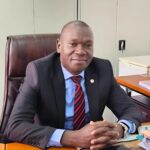

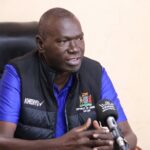

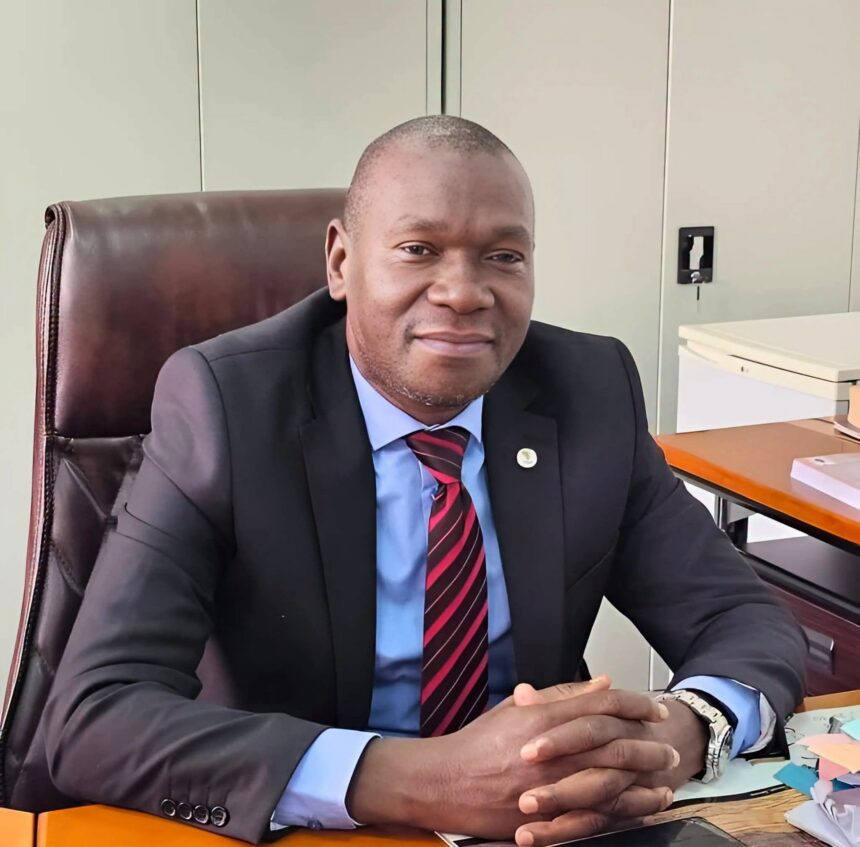
Ministry of Information and Media Permanent Secretary Mr. Thabo Kawana has provided clarification on Government’s health worker recruitment process and addressed concerns surrounding Zambia’s election campaign environment during an appearance on Diamond TV’s Costa’s Cross-Examination programme. The discussion covered questions about the verification of volunteer health workers presented during President Hakainde Hichilema’s provincial tours, the transparency of recruitment procedures and allegations concerning restrictions on opposition political activities. Kawana used the platform to explain Government’s position on these issues and highlighted the legal and administrative processes guiding public service recruitment and election campaign activities. His remarks come as Zambia continues preparations for elections, with public attention focused on governance, employment opportunities and political participation. The interview provided insight into how Government is approaching workforce expansion in the health sector while maintaining that electoral rules must be respected by all political parties.
Addressing concerns about the recruitment of health workers, Kawana explained that names of volunteer health workers presented to President Hakainde Hichilema during his provincial tours are not automatically considered successful applicants for employment. He stated that the lists submitted to the President undergo a verification process conducted by relevant public service authorities before any recruitment decisions are made. According to Kawana, individuals whose names appear on the lists must meet the required qualifications and compete alongside other eligible applicants. He emphasized that the verification process is designed to ensure fairness, accountability and compliance with public service recruitment procedures. The Permanent Secretary explained that the President’s directive to verify the names presented during his engagements is intended to support transparency rather than bypass established employment processes.
Kawana further explained that Government made changes to the health worker recruitment system after concerns were raised regarding the previous health workers’ database. He said the previous database was abandoned and Government instructed all applicants to submit fresh applications to create a more transparent and credible recruitment process. The move was aimed at addressing public concerns about how information contained in the database was being used and ensuring that all applicants had an equal opportunity to be considered. He stated that restarting the application process allowed authorities to update records and properly assess candidates based on current requirements. According to Kawana, the new approach strengthens accountability while ensuring that recruitment decisions are based on verified information.
The Permanent Secretary also responded to questions regarding the legality of verifying names submitted during presidential engagements. He maintained that the President’s directive to verify such names is constitutional and legally binding within the framework of Government operations. Kawana stated that individuals or organisations who believe the process is unconstitutional have the option of seeking legal interpretation from the Constitutional Court. He emphasized that public institutions must continue operating within the law while ensuring that citizens’ concerns are addressed through appropriate channels. According to him, the verification exercise does not replace formal recruitment procedures but complements them by ensuring that individuals presented for consideration undergo proper assessment.
The discussion also focused on Zambia’s election campaign environment and allegations that opposition political parties are being prevented from conducting campaign activities. Kawana dismissed claims that the Zambia Police Service is restricting opposition parties from campaigning and stated that all political parties are expected to operate within the rules established by the Electoral Commission of Zambia (ECZ). He explained that parties are required to follow the approved campaign timetable and notify police about planned activities to allow for proper security arrangements. According to Kawana, the police have a responsibility to maintain public order and ensure that all political activities take place in a safe environment. He stressed that enforcement of agreed campaign procedures should not be interpreted as political interference or intimidation.
Kawana explained that challenges usually occur when political parties conduct activities outside the approved campaign schedules. He noted that unscheduled roadshows and other activities can create security concerns, requiring police intervention to maintain order. He argued that political parties are aware of the campaign guidelines and must work within the agreed framework established by electoral authorities. According to the Permanent Secretary, the same rules apply to all political organisations regardless of their political affiliation or position. He said adherence to campaign regulations helps create a fair environment where parties can engage voters while reducing the possibility of conflict.
The Permanent Secretary also addressed recent political violence involving supporters of the United Party for National Development (UPND) and the Tonse Alliance on the Copperbelt. He described the incidents as unfortunate and said President Hakainde Hichilema has condemned acts of violence regardless of the political groups involved. Kawana stated that authorities have taken action, with arrests made among individuals from both political camps in connection with separate offences arising from the disturbances. He emphasized that maintaining peace during the election period requires commitment from political parties, supporters and law enforcement agencies. According to him, political competition should take place through democratic engagement rather than confrontation.
During the programme, Copperbelt Police Commissioner Mwala Yuyi also provided clarification on police operations during the campaign period. He stated that the Zambia Police Service is implementing the ECZ-approved campaign timetable objectively and remains committed to providing security for all political parties. The Commissioner explained that police decisions are based on maintaining public safety and ensuring that political activities are conducted within established guidelines. He reaffirmed that law enforcement officers have a responsibility to protect all citizens and political participants during the election period. His comments were aimed at reinforcing public confidence in the neutrality of security institutions during the campaign season.
Kawana further responded to claims that the Tonse Alliance had been denied permission to use aircraft for campaign activities. He explained that the alliance had not been denied access to aviation services because no application for airspace clearance had been submitted to the Civil Aviation Authority. According to him, aviation procedures require political parties and other organisations to follow the necessary approval processes before using airspace for campaign-related activities. He said claims of restrictions should therefore be examined against the facts and existing regulatory requirements. Kawana maintained that Government institutions continue to apply established procedures consistently to all stakeholders.
The issues discussed during the Diamond TV interview reflect some of the major concerns shaping Zambia’s public conversation ahead of the elections. Health worker recruitment remains a key priority as Government works to expand healthcare services and address staffing shortages, while election management continues to require cooperation among political parties, security agencies and electoral authorities. Kawana’s explanations highlighted Government’s position that recruitment processes must remain transparent and legally compliant while campaign activities must follow agreed rules. As Zambia moves forward, ensuring fairness, accountability and respect for democratic processes will remain central to maintaining public trust. The continued engagement between Government officials, political actors and citizens will play an important role in promoting stability and strengthening the country’s democratic institutions.