



The Zambian government has moved to clarify reports surrounding a proposed health support agreement from the United States after comments made during a recent diplomatic event generated widespread public interest. Ministry of Information Permanent Secretary Thabo Kawana has stated that government has not yet signed the reported US$1.5 billion health support deal. The clarification comes after remarks made during celebrations marking the 250th anniversary of the United States, where senior government officials acknowledged the importance of continued cooperation between Zambia and the United States in the health sector. The issue has attracted attention due to the scale of the proposed funding and its potential impact on public healthcare services across the country. Government officials have therefore sought to ensure that the public receives accurate information regarding the status of the agreement.
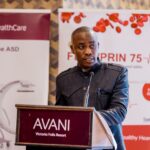
The discussion began during an event held at the Chief of Mission Residence in Lusaka, where Secretary to the Cabinet Patrick Kangwa addressed guests on matters relating to Zambia’s international partnerships. During his remarks, he expressed appreciation for what was described as recent support from the United States amounting to US$1.5 billion over a five-year period from April 2026 to 2030. He indicated that the support would contribute to ongoing efforts to combat HIV and AIDS, malaria, and tuberculosis while strengthening disease surveillance systems. The funding was also said to support maternal and child health programmes, areas that remain central to Zambia’s healthcare priorities. These comments were widely interpreted as confirmation that the agreement had already been concluded.
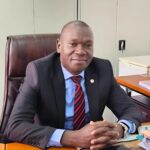
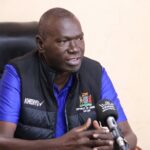
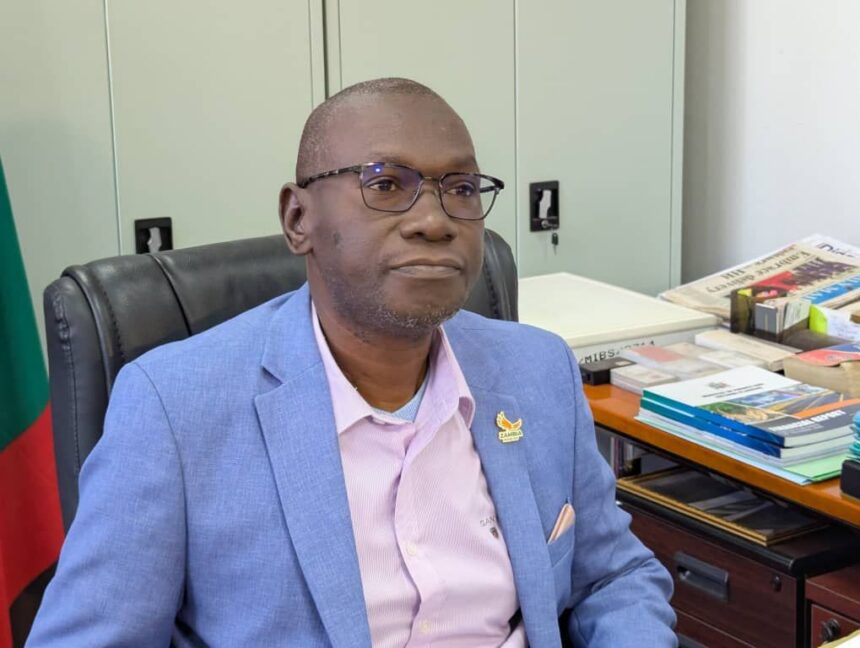
However, Thabo Kawana has since clarified that such an interpretation would be inaccurate. In a statement issued on Tuesday, he explained that while discussions and engagements regarding the proposed support have taken place, government has not yet signed the agreement. He stressed the importance of distinguishing between appreciation for ongoing cooperation and the formal conclusion of a binding funding arrangement. According to Kawana, the comments made during the diplomatic gathering should not be understood as confirmation that all procedures relating to the proposed grant have been completed. His statement was intended to provide clarity and prevent misinformation from spreading among the public and stakeholders.
The clarification highlights the significance of official processes involved in international development agreements. Large-scale funding arrangements typically require extensive consultations, negotiations, legal reviews, and formal approvals before they can be finalized. Such procedures ensure that agreements align with national priorities and meet the requirements of both parties involved. In Zambia’s case, healthcare partnerships with international donors have played an important role in supporting disease prevention, treatment programmes, and health system strengthening. As a result, announcements relating to major funding commitments often attract considerable public and media attention.
The proposed support package remains particularly significant because of the health challenges it is intended to address. Zambia continues to make progress in the fight against HIV and AIDS, malaria, and tuberculosis, but these diseases still place pressure on healthcare resources. Additional investment in disease surveillance systems would strengthen the country’s ability to detect and respond to emerging health threats. Support for maternal and child health services would also contribute to improving health outcomes among vulnerable populations. These priorities align closely with Zambia’s broader health development agenda and long-term national goals.
The relationship between Zambia and the United States has historically included strong cooperation in public health, with numerous programmes aimed at improving healthcare delivery and disease control. Through various initiatives, the partnership has supported medical infrastructure, healthcare workers, treatment programmes, and public health interventions. Continued collaboration remains important as Zambia seeks to strengthen its healthcare system and expand access to essential services. Any future agreement of this magnitude would likely have far-reaching implications for healthcare delivery and public health outcomes across the country. For this reason, clarity regarding the status of negotiations is essential.
Government’s clarification serves as a reminder that discussions about international funding should be distinguished from formally signed agreements. While the proposed US$1.5 billion health support package has generated optimism because of its potential benefits, officials have emphasized that the deal has not yet been concluded. The statement by Permanent Secretary Thabo Kawana aims to ensure transparency and accurate public understanding of the situation. As discussions continue, stakeholders will be watching closely for further developments regarding the proposed partnership. Until a formal agreement is signed, the funding remains a prospective arrangement rather than a finalized commitment.