






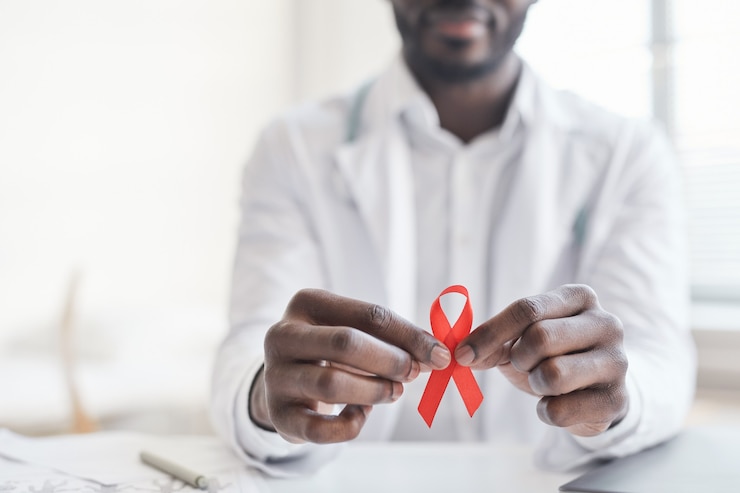
Just yesterday, UNICEF released its 2025 Global HIV Estimates, delivering a stark reminder that despite remarkable progress, the fight against HIV among children is far from over. While new infections have declined over the past decade, the latest figures reveal that thousands of children—especially in Africa—continue to face needless suffering and death. Zambia, a country deeply affected by the epidemic, remains a critical part of this urgent global health challenge.
In 2024 alone, 120,000 children worldwide were newly infected with HIV, and 75,000 children under 15 lost their lives to AIDS-related causes. These tragic losses highlight the gaps in early testing, timely treatment, and effective healthcare delivery that could have saved countless young lives.
Zambia has made significant strides in the battle against HIV, yet the report underscores the work still needed. Approximately 65,000 adolescents (ages 10–19) in Zambia are living with HIV, but nearly 1 in 10 are not receiving life-saving treatment. Around 41,300 children (ages 0–14) are currently on antiretroviral therapy (ART), yet an estimated 14,000 children in this age group remain untreated. The country has about 600,000 AIDS orphans—children who have lost one or both parents to AIDS-related illnesses. Although new infections among children saw a significant decline between 2010 and 2019, thousands of preventable infections still occur annually.
These numbers are not just statistics. They represent children in our homes, schools, churches, and communities—the future of Zambia. Their lives are being left at risk, not because treatment isn’t available, but because political commitment, moral urgency, and health systems have not fully aligned to protect them.
UNICEF’s report delivers a painful truth: only 55% of HIV-positive children worldwide receive treatment. Sub-Saharan Africa, which carries 86% of the global burden, faces treatment coverage as low as 37% in regions like West and Central Africa. Zambia performs better than many neighbors, but the risk for children remains high.
This isn’t simply a health crisis—it is a crisis of justice. When Jesus said, “Let the little children come to me,” he underscored the sacred value of every child. Children must never be denied care due to neglect, poverty, or broken systems. Every untreated child in Zambia today reflects a failure of compassion and justice.
To change this trajectory, Zambia must close the treatment gap for children and adolescents, ensuring every child living with HIV receives early testing and consistent antiretroviral therapy, especially in rural and underserved regions. Church-run health centers have been crucial lifelines in remote communities and must be fully supported and equipped as essential partners in Zambia’s HIV response. More than 600,000 Zambian children who have lost parents to AIDS require comprehensive care—not just food and education, but emotional support, safety, and long-term stability. Young people often face discrimination in schools, churches, and healthcare settings. Training leaders, educators, and health workers to foster acceptance and healing is vital. Zambia must also advocate alongside neighboring countries for equitable access to child-friendly HIV medications, increased funding, and shared strategies targeting vulnerable children.
As a Jesuit priest, I find the numbers deeply moving, but more so is the Gospel truth they reveal. Jesus welcomed children as full participants in God’s Kingdom. To exclude them from our policies, budgets, and health priorities is to ignore Christ Himself.
We must rise to this challenge and remove every barrier—whether policy gaps, funding shortages, stigma, or silence—that still hinders Zambia’s children. Because in 2025, no child in Zambia should die from AIDS.